

Is ‘Blue Balls’ a Medical Reality? The Science of Sexual Frustration You’ve probably heard the term “blue balls” thrown around in locker rooms or seen it referenced in movies. But is this phenomenon actually real, or just an urban myth? Let’s dive into the science behind sexual frustration and what actually happens to your body. What Exactly Are “Blue Balls”? “Blue balls” is the colloquial term for what doctors call epididymal hypertension. It describes the uncomfortable, sometimes painful sensation some people experience in their testicles after prolonged sexual arousal without release. Despite the colorful name, your testicles don’t actually turn blue—though they might appear slightly darker due to increased blood flow. The condition isn’t limited to men either. People with vulvas can experience similar discomfort, sometimes called “blue vulva,” though it’s less commonly discussed. The Science Behind the Sensation When you become sexually aroused, your body goes through several physiological changes. Blood rushes to your genitals, causing swelling and increased pressure. Your heart rate increases, muscles tense up, and your body essentially prepares for sexual activity. What Happens During Arousal During arousal, the blood vessels in your genital area dilate, allowing more blood to flow in than flows out. This creates the engorgement necessary for erection and sexual function. Normally, this resolves through orgasm, which causes rhythmic contractions that help pump the blood back out. Your body then returns to its normal state. When There’s No Release If arousal continues without orgasm, that extra blood stays pooled in the area. The sustained pressure and lack of release can cause a dull, aching sensation in the testicles and surrounding areas. Some people describe it as heaviness, pressure, or mild cramping. The discomfort comes from the prolonged vasocongestion—essentially, traffic jam of blood that hasn’t been cleared out. Is It Actually Harmful? Here’s the good news: epididymal hypertension is not dangerous or medically harmful. While it can be uncomfortable, it won’t cause any lasting damage to your reproductive system or overall health. The discomfort is temporary and will resolve on its own. How Long Does It Last? The sensation typically fades within a few hours as your body naturally redistributes the pooled blood and returns to its baseline state. Some people find relief faster than others, depending on factors like overall health, hydration, and activity level. What Can You Do About It? If you’re experiencing discomfort from epididymal hypertension, there are several ways to find relief without needing medical intervention. Simple Remedies Taking a cold shower can help constrict blood vessels and reduce swelling. Light exercise like walking or jogging can improve circulation and help your body redistribute blood flow more quickly. Some people find that distraction through non-sexual activities helps—essentially giving your body time to calm down naturally. Kamagra Oral Jelly All $50.00 – $300.00Price range: $50.00 through $300.00 Select options This product has multiple variants. The options may be chosen on the product page Kamagra Gold 100mg All $75.00 – $255.00Price range: $75.00 through $255.00 Select options This product has multiple variants. The options may be chosen on the product page VIDALISTA 60 MG All $35.00 – $80.00Price range: $35.00 through $80.00 Select options This product has multiple variants. The options may be chosen on the product page CENFORCE 200 Mg All $31.00 – $130.00Price range: $31.00 through $130.00 Select options This product has multiple variants. The options may be chosen on the product page CENFORCE 100 MG All $23.00 – $90.00Price range: $23.00 through $90.00 Select options This product has multiple variants. The options may be chosen on the product page What About Just “Finishing”? While orgasm is the quickest way to relieve the pressure, it’s absolutely not medically necessary. Your body will resolve the situation on its own. No one is entitled to sexual release from a partner based on claims of discomfort—this is an important point often misunderstood or deliberately misrepresented. The Myth vs. Reality The concept of “blue balls” has unfortunately been used manipulatively in some situations, with people claiming they need sexual release or they’ll be in severe pain. This is misleading. While the discomfort is real, it’s mild, temporary, and not a medical emergency. Setting the Record Straight Epididymal hypertension is a minor, self-resolving condition. It shouldn’t be used to pressure anyone into sexual activity. Consent should always be freely given, never coerced through guilt or false medical claims. Conclusion “Blue balls,” or epididymal hypertension, is a real medical condition caused by prolonged sexual arousal without release, resulting in temporary discomfort due to blood pooling in the genital area. While the aching sensation is genuine, it’s completely harmless and resolves on its own within a few hours without any medical intervention. The condition affects people of all genders and can be relieved through cold showers, light exercise, or simply waiting it out. Importantly, it’s never a medical emergency and should never be used to pressure anyone into sexual activity.

Heteroflexible vs. Bisexual: Understanding Modern Dating Labels
Heteroflexible vs. Bisexual: Understanding Modern Dating Labels The world of sexual orientation has evolved beyond simple categories, giving people more language to describe their experiences. Two terms that often cause confusion are “heteroflexible” and “bisexual.” While they might seem similar at first glance, they describe different experiences of attraction. Let’s break down what each label means and how they differ. What Does Bisexual Mean? Bisexuality refers to the capacity for romantic or sexual attraction to more than one gender. Bisexual people experience genuine, sustained attraction to people of their own gender and other genders. This attraction doesn’t have to be split 50/50, and it can vary over time. A bisexual person might date men, women, and non-binary individuals throughout their life. Their attraction to different genders is consistent and core to their identity, even if they’re currently in a relationship with someone of one particular gender. Common Misconceptions About Bisexuality Many people wrongly assume bisexual individuals are equally attracted to all genders or that they’re “confused” about their orientation. In reality, bisexuality is a valid, stable sexual orientation. Someone doesn’t stop being bisexual just because they’re in a monogamous relationship. What Does Heteroflexible Mean? Heteroflexible describes someone who is predominantly heterosexual but occasionally open to same-gender experiences or attractions. These individuals primarily identify as straight and mostly pursue opposite-gender relationships, but they acknowledge some flexibility in their attraction. For heteroflexible people, same-gender attraction is usually occasional, situational, or less intense than their opposite-gender attraction. They might be open to experimenting or find themselves attracted to someone of the same gender in specific circumstances, but this isn’t their typical pattern. The “Mostly Straight” Experience Think of heteroflexibility as being “mostly straight with exceptions.” A heteroflexible woman might be attracted to men 95% of the time but find herself drawn to a particular woman or open to experiences with women under certain conditions. The key difference is that this same-gender attraction is the exception rather than the rule. Key Differences Between the Two The main distinction lies in the consistency and strength of attraction to multiple genders. Bisexual people have ongoing, substantial attraction to more than one gender as a core part of their orientation. Heteroflexible people experience predominantly heterosexual attraction with occasional flexibility. Another difference involves identity and community connection. Bisexual individuals typically identify strongly with the LGBTQ+ community and see their bisexuality as central to who they are. Heteroflexible people often still primarily identify as straight and may feel less connected to LGBTQ+ spaces. Why Labels Matter (and Why They Don’t) Sexual orientation labels serve an important purpose. They help people understand themselves, find community, and communicate their identity to potential partners. Having language for our experiences validates them and helps us feel less alone. However, labels are personal tools, not rigid boxes. Someone might identify as bisexual at one point in their life and heteroflexible at another, or vice versa. Others might reject labels altogether, preferring to simply describe their attractions as they experience them. Kamagra Oral Jelly All $50.00 – $300.00Price range: $50.00 through $300.00 Select options This product has multiple variants. The options may be chosen on the product page Kamagra Gold 100mg All $75.00 – $255.00Price range: $75.00 through $255.00 Select options This product has multiple variants. The options may be chosen on the product page VIDALISTA 60 MG All $35.00 – $80.00Price range: $35.00 through $80.00 Select options This product has multiple variants. The options may be chosen on the product page CENFORCE 200 Mg All $31.00 – $130.00Price range: $31.00 through $130.00 Select options This product has multiple variants. The options may be chosen on the product page CENFORCE 100 MG All $23.00 – $90.00Price range: $23.00 through $90.00 Select options This product has multiple variants. The options may be chosen on the product page Respecting Individual Identity The most important thing to remember is that people get to define their own orientation. If someone tells you they’re heteroflexible, believe them. If someone identifies as bisexual, respect that identity. These labels describe lived experiences that only the individual truly understands. It’s also worth noting that attraction exists on a spectrum. The Kinsey Scale, developed in the 1940s, recognized that sexuality isn’t simply gay or straight but exists along a continuum. Modern understanding has expanded even further, acknowledging that attraction is complex and multifaceted. Moving Forward with Understanding As our language around sexuality continues to evolve, terms like bisexual and heteroflexible help people articulate nuanced experiences of attraction. While bisexuality describes consistent attraction to multiple genders, heteroflexibility acknowledges predominantly heterosexual attraction with occasional flexibility. Both identities are valid, and neither is more “legitimate” than the other. What matters most is that individuals feel empowered to explore their attractions honestly and choose labels that feel authentic to their experiences. In modern dating, understanding these distinctions helps create more inclusive spaces where everyone can express their identity freely. Conclusion Bisexual means you’re genuinely attracted to multiple genders on a consistent, ongoing basis—it’s a core part of who you are. Heteroflexible means you’re primarily straight but occasionally open to same-gender attraction or experiences as an exception rather than the norm. The key difference is that bisexual attraction to multiple genders is steady and significant, while heteroflexible attraction is mostly heterosexual with rare flexibility.

The Gooning Trend Explained: The Shocking Truth No One Is Talking About
The Gooning Trend Explained Gooning is an internet subculture and practice that has quietly grown over the past few years, yet remains largely misunderstood by mainstream audiences. At its core, gooning refers to an extended state of heightened arousal, typically involving prolonged sessions of adult content consumption. The term comes from the idea of being in a “goon state”—a trance-like condition where someone becomes completely absorbed in the experience for hours at a time. What started as niche internet terminology has evolved into a recognizable trend, particularly among younger adults who discovered it through online forums and social media platforms. Unlike typical adult content consumption, gooning emphasizes the journey over the destination, with practitioners intentionally prolonging the experience. Why This Trend Is Growing The rise of gooning connects directly to several modern phenomena. First, the unlimited availability of adult content through high-speed internet has made marathon sessions technically possible. Second, the isolation many people experienced during recent years created conditions where excessive online behaviors could develop unchecked. Social media algorithms have also played a role. Content about gooning spreads through recommendation systems, introducing the practice to people who might never have encountered it otherwise. Online communities provide validation and normalization, making what might seem like unusual behavior feel acceptable or even celebrated. Additionally, some practitioners report using gooning as a form of stress relief or escape from daily pressures. In a world filled with anxiety and uncertainty, the complete mental absorption offers a temporary retreat from real-world concerns. The Hidden Dangers Nobody Discusses While gooning might seem harmless to some, mental health professionals have raised serious concerns. The practice shares characteristics with behavioral addiction, including tolerance development, withdrawal symptoms, and interference with daily responsibilities. Impact on Brain Chemistry: Extended arousal states can affect dopamine regulation in the brain. Over time, this may require increasingly intense stimulation to achieve the same effects, creating a cycle that’s difficult to break. Relationship Problems: People who engage in gooning often report decreased interest in real-world intimacy. Partners may feel neglected or inadequate, leading to relationship breakdowns and emotional distance. Time and Productivity Loss: Sessions lasting several hours mean lost time for work, education, hobbies, and social connections. Some individuals report calling in sick to work or neglecting important responsibilities. Physical Health Concerns: Marathon sessions can lead to dehydration, exhaustion, repetitive strain injuries, and disrupted sleep patterns. The sedentary nature also contributes to broader health issues. Kamagra Oral Jelly All $50.00 – $300.00Price range: $50.00 through $300.00 Select options This product has multiple variants. The options may be chosen on the product page Kamagra Gold 100mg All $75.00 – $255.00Price range: $75.00 through $255.00 Select options This product has multiple variants. The options may be chosen on the product page VIDALISTA 60 MG All $35.00 – $80.00Price range: $35.00 through $80.00 Select options This product has multiple variants. The options may be chosen on the product page CENFORCE 200 Mg All $31.00 – $130.00Price range: $31.00 through $130.00 Select options This product has multiple variants. The options may be chosen on the product page CENFORCE 100 MG All $23.00 – $90.00Price range: $23.00 through $90.00 Select options This product has multiple variants. The options may be chosen on the product page Warning Signs to Watch For Recognizing problematic behavior early is crucial. Warning signs include spending increasing amounts of time in these sessions, feeling unable to stop despite wanting to, neglecting responsibilities or relationships, experiencing shame or guilt afterward, and becoming isolated from friends and family. If gooning interferes with work, school, relationships, or personal well-being, it has crossed from occasional behavior into problematic territory. The secretive nature of the practice often means problems develop for months before anyone notices. Breaking Free and Finding Help Recovery from any compulsive behavior requires acknowledgment and action. The first step is honest self-assessment about how the behavior affects your life. Many people benefit from speaking with mental health professionals who specialize in behavioral addictions or sexual health. Practical strategies include setting firm boundaries around internet use, installing content blocking software, finding alternative stress-relief methods like exercise or meditation, and rebuilding real-world social connections. Support groups, both online and in-person, provide community for people working toward healthier patterns. Professional therapy, particularly cognitive-behavioral approaches, helps address underlying issues that fuel compulsive behaviors. Many people discover they’re using gooning to cope with anxiety, depression, loneliness, or trauma—issues that require proper treatment. Conclution Gooning is a slang term for spending extended hours, sometimes entire days, consuming adult content while maintaining a prolonged state of arousal without completion. This internet trend involves entering a “trance-like” state where individuals become completely absorbed in the activity, often for 3-6 hours or longer. The practice has grown through online communities and forums, where participants share techniques and experiences, making what was once obscure behavior increasingly normalized among certain internet subcultures.

Can You Get Pregnant While on Your Period?
Can You Get Pregnant On Your Period? One of the most common questions surrounding reproductive health is whether pregnancy is possible during menstruation. The short answer is yes — it is possible, though less likely than at other times in the menstrual cycle. Understanding how your menstrual cycle works is key to understanding why. Understanding Your Menstrual Cycle The average menstrual cycle lasts about 28 days, though it can range from 21 to 35 days. The cycle has several phases: Menstruation (Days 1–5): The uterine lining sheds, causing your period. This is typically when pregnancy is considered least likely. Follicular Phase (Days 1–13): Follicles in the ovaries mature and estrogen levels rise, preparing the body for ovulation. Ovulation (Around Day 14): A mature egg is released from the ovary. This is the most fertile window of the cycle. Luteal Phase (Days 15–28): The body prepares for potential pregnancy. If the egg is not fertilized, hormone levels drop and menstruation begins again. How Is Pregnancy During a Period Possible? Sperm can survive inside the female reproductive tract for up to 5 days. If you have a shorter cycle (e.g., 21–24 days) and ovulate earlier than usual, sperm from intercourse during your period could still be viable when ovulation occurs. This is particularly relevant for people with irregular or unpredictable cycles. Key Factors That Increase the Chance Short menstrual cycles (less than 24 days) Irregular periods, making ovulation timing unpredictable Long periods that overlap with early ovulation Unprotected intercourse near the end of the period What Are the Odds? For someone with a regular 28-day cycle, the chance of getting pregnant during their period is low — but not zero. Studies suggest the probability of conception on the first day of a period is around 1–2%, rising gradually as the period ends and the fertile window approaches. For those with shorter or irregular cycles, the risk is meaningfully higher. Kamagra Oral Jelly All $50.00 – $300.00Price range: $50.00 through $300.00 Select options This product has multiple variants. The options may be chosen on the product page Kamagra Gold 100mg All $75.00 – $255.00Price range: $75.00 through $255.00 Select options This product has multiple variants. The options may be chosen on the product page VIDALISTA 60 MG All $35.00 – $80.00Price range: $35.00 through $80.00 Select options This product has multiple variants. The options may be chosen on the product page CENFORCE 200 Mg All $31.00 – $130.00Price range: $31.00 through $130.00 Select options This product has multiple variants. The options may be chosen on the product page CENFORCE 100 MG All $23.00 – $90.00Price range: $23.00 through $90.00 Select options This product has multiple variants. The options may be chosen on the product page

Does Pineapple Really Change the Taste of Bodily Fluids?
Does Pineapple Really Change the Taste of Bodily Fluids? You’ve probably heard the claim: eating pineapple can make your bodily fluids taste sweeter. This rumor has circulated for years, popping up in magazines, online forums, and casual conversations. But is there any truth to it, or is it just another health myth? Let’s dive into what science and anecdotal evidence tell us about this curious topic. What the Claim Says The basic idea is that consuming pineapple—particularly fresh pineapple or its juice—can alter the taste of bodily fluids, especially semen and vaginal secretions, making them taste sweeter or more pleasant. This claim has become so widespread that many people accept it as fact without questioning the evidence behind it. The Science Behind Diet and Body Chemistry To understand whether pineapple can affect taste, we need to look at how diet influences our bodies. What we eat absolutely affects our bodily chemistry. Foods are broken down into various compounds that enter our bloodstream and can be secreted through sweat, urine, and other bodily fluids. For example, eating asparagus famously makes urine smell different due to sulfur compounds. Garlic and onions can affect body odor through compounds that are released through sweat glands. So the principle that diet affects bodily secretions is scientifically sound. What Makes Pineapple Special? Pineapple contains several components that could theoretically influence taste. It’s rich in natural sugars like fructose and glucose, which give it that characteristic sweetness. It also contains citric acid and vitamin C, contributing to its tangy flavor. Additionally, pineapple has bromelain, an enzyme that breaks down proteins and is sometimes credited with various health benefits. The theory is that these sugars and acids, when consumed regularly, could make bodily fluids taste slightly sweeter or less bitter. Kamagra Oral Jelly All $50.00 – $300.00Price range: $50.00 through $300.00 Select options This product has multiple variants. The options may be chosen on the product page Kamagra Gold 100mg All $75.00 – $255.00Price range: $75.00 through $255.00 Select options This product has multiple variants. The options may be chosen on the product page VIDALISTA 60 MG All $35.00 – $80.00Price range: $35.00 through $80.00 Select options This product has multiple variants. The options may be chosen on the product page CENFORCE 200 Mg All $31.00 – $130.00Price range: $31.00 through $130.00 Select options This product has multiple variants. The options may be chosen on the product page CENFORCE 100 MG All $23.00 – $90.00Price range: $23.00 through $90.00 Select options This product has multiple variants. The options may be chosen on the product page What the Research Shows Here’s where things get interesting: there’s surprisingly little formal scientific research on this specific topic. Most sexual health studies don’t prioritize investigating how fruits affect the taste of bodily fluids. The limited research that exists is mostly anecdotal or based on small, informal observations rather than rigorous clinical trials. However, sex educators and health professionals generally acknowledge that diet can influence taste to some degree. Foods high in natural sugars, like fruits, are thought to contribute to a milder, slightly sweeter taste. Conversely, foods like red meat, dairy, alcohol, cigarettes, and certain vegetables like asparagus or cabbage may contribute to stronger or more bitter flavors. The Anecdotal Evidence While hard science is lacking, anecdotal reports are abundant. Many people claim to have noticed differences after eating pineapple regularly for a few days. These personal accounts suggest that consuming pineapple—along with other fruits and plenty of water—can create a noticeable change. It’s important to note that taste is highly subjective. What one person finds pleasant, another might not. Individual body chemistry, hydration levels, medications, and overall health all play roles in how bodily fluids taste. How Long Does It Take? If you’re curious about trying this yourself, most anecdotal advice suggests eating fresh pineapple or drinking its juice for at least 24 to 48 hours before expecting any noticeable effects. One-time consumption probably won’t do much. Consistency seems to be key, according to those who swear by this method. Other Foods That May Affect Taste Pineapple isn’t the only food said to influence taste. Other items that might have positive effects include: Citrus fruits like oranges and lemons Melons and berries Mint and parsley Cinnamon Plenty of water for hydration Foods that may contribute to less pleasant tastes include alcohol, coffee, red meat, dairy products, garlic, onions, and heavily processed foods. The Bottom Line Yes, pineapple can subtly change the taste of bodily fluids due to its natural sugars and acids affecting body chemistry. While scientific research is limited, anecdotal evidence suggests eating fresh pineapple consistently for 24-48 hours may create a slightly sweeter taste. Diet does influence bodily secretions, though results vary by individual body chemistry, hydration, and overall health. For best results, combine pineapple with plenty of water and a diet rich in fruits while avoiding alcohol, tobacco, and processed foods.

How Long Does Sperm Live Inside the Body?
How Long Does Sperm Live Inside the Body? Understanding sperm lifespan is important for anyone interested in fertility, family planning, or reproductive health. Whether you’re trying to conceive or prevent pregnancy, knowing how long sperm can survive helps you make informed decisions about your body. What Happens After Ejaculation? When sperm enters the body during intercourse, it begins a journey with a specific timeline. The lifespan of sperm depends entirely on where it lands and the conditions it encounters. Think of sperm cells like tiny swimmers that need the right environment to survive—without it, they quickly lose their ability to function. Sperm Lifespan Inside the Female Body In the Vagina Sperm faces its first challenge immediately after ejaculation. The vaginal environment is naturally acidic, which helps protect against infections but is hostile to sperm cells. In the vagina, sperm typically survives for only 15 to 30 minutes. Most sperm cells die quickly in this acidic environment unless they can move upward into more favorable conditions. In the Cervix and Uterus Once sperm reaches the cervix, the survival odds improve dramatically. The cervical mucus, especially during ovulation, becomes less thick and more welcoming to sperm. This special mucus acts like a protective highway, allowing sperm to travel upward while shielding them from the harsh vaginal environment. In the cervix and uterus, sperm can survive for up to 5 days under optimal conditions. This extended lifespan happens because the cervical crypts provide nourishment and protection. The sperm essentially enters a “waiting room” where it can remain viable until an egg becomes available for fertilization. In the Fallopian Tubes The fallopian tubes offer the best environment for sperm survival. Here, sperm can live for up to 5 days while waiting to encounter an egg. This is where fertilization typically occurs if an egg is released during this window. Factors That Affect Sperm Survival Cervical Mucus Quality The consistency of cervical mucus changes throughout the menstrual cycle. During ovulation, it becomes thin, clear, and stretchy—similar to egg whites. This “fertile” mucus helps sperm survive longer. Outside of ovulation, the mucus is thicker and more acidic, making it harder for sperm to survive. Overall Health A woman’s reproductive health affects how long sperm can survive. Infections, pH imbalances, or certain medical conditions can create an environment where sperm dies more quickly than normal. Sperm Quality Not all sperm are created equal. Healthy, strong sperm with good motility have better survival rates than weak or damaged sperm. Factors like diet, lifestyle, stress, and age affect sperm quality in men. Sperm Lifespan Outside the Body Outside the body, sperm survival drops dramatically. On dry surfaces like clothing or bedding, sperm typically dies within minutes as it dries out. Sperm cells need moisture to survive, and once semen dries, the sperm within it becomes nonviable. In water, such as a bathtub or pool, sperm dies almost immediately due to temperature changes and chemical exposure. The myth that pregnancy can occur from sperm in bathwater is just that—a myth. Kamagra Oral Jelly All $50.00 – $300.00Price range: $50.00 through $300.00 Select options This product has multiple variants. The options may be chosen on the product page Kamagra Gold 100mg All $75.00 – $255.00Price range: $75.00 through $255.00 Select options This product has multiple variants. The options may be chosen on the product page VIDALISTA 60 MG All $35.00 – $80.00Price range: $35.00 through $80.00 Select options This product has multiple variants. The options may be chosen on the product page CENFORCE 200 Mg All $31.00 – $130.00Price range: $31.00 through $130.00 Select options This product has multiple variants. The options may be chosen on the product page CENFORCE 100 MG All $23.00 – $90.00Price range: $23.00 through $90.00 Select options This product has multiple variants. The options may be chosen on the product page Why the 5-Day Window Matters The fact that sperm can live up to 5 days inside the female reproductive tract has major implications for pregnancy planning. This means that intercourse occurring several days before ovulation can still result in pregnancy. The “fertile window” is approximately 6 days long—the 5 days before ovulation plus the day of ovulation itself. For couples trying to conceive, this window represents the best opportunity for pregnancy. For those preventing pregnancy, understanding this timeline helps with timing and contraceptive choices. Common Misconceptions Many people believe sperm dies immediately after ejaculation, but as we’ve seen, this isn’t true when conditions are right. Others think sperm can live indefinitely, which is also incorrect. The 5-day maximum is well-established in medical research. Another misconception is that all sperm released during ejaculation remains viable for the full 5 days. In reality, millions of sperm cells die along the journey, and only the strongest survive long enough to potentially fertilize an egg. The Bottom Line Sperm can survive inside the female body for up to 5 days under ideal conditions, primarily in the cervix and fallopian tubes. In the vagina, survival is much shorter—usually less than an hour. Outside the body, sperm dies within minutes to hours depending on the environment. This knowledge empowers you to better understand your fertility and make informed decisions about contraception or conception. If you have specific concerns about fertility or pregnancy prevention, consulting with a healthcare provider can provide personalized guidance based on your individual circumstances.
How Do Pornstars Not Get Pregnant?
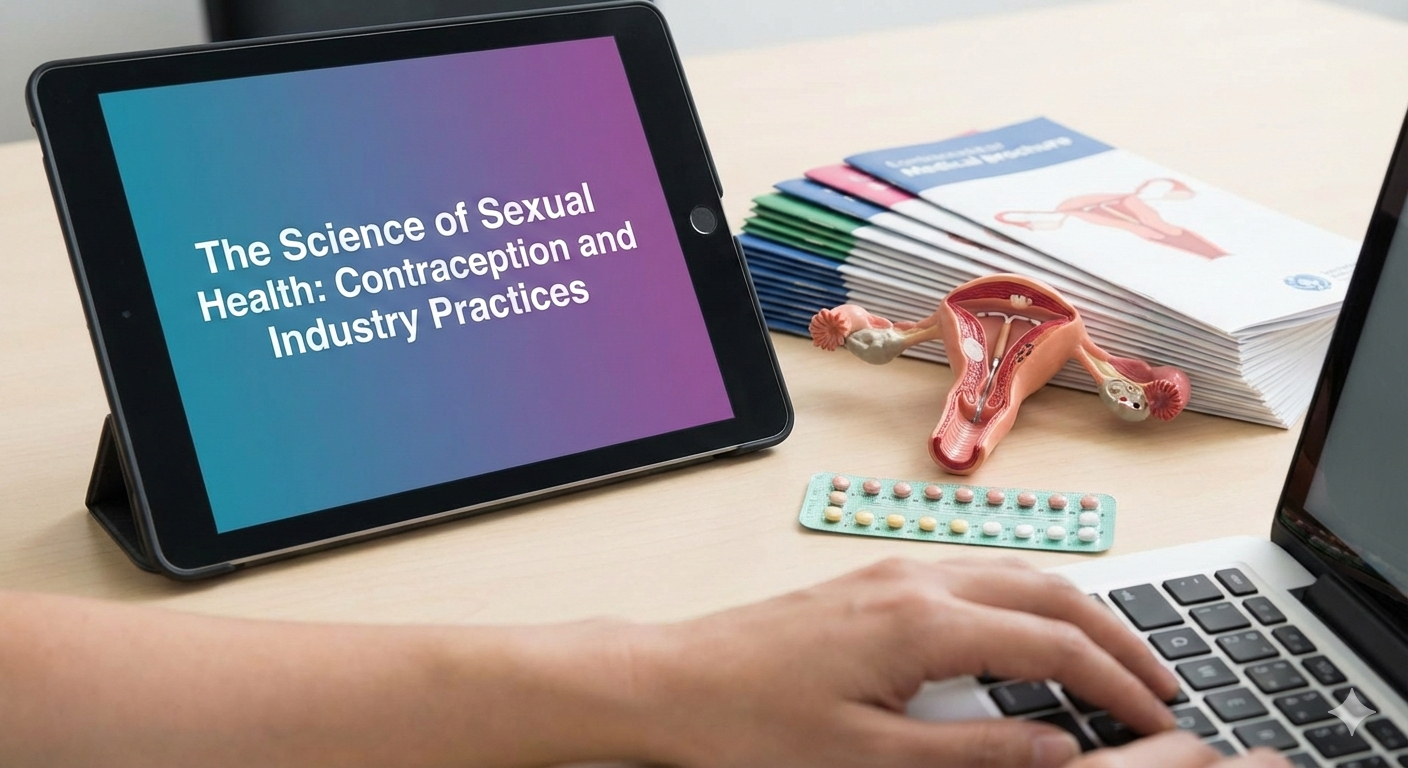
How Do Pornstars Not Get Pregnant? This is a practical question many people wonder about, and the answer involves multiple layers of protection and professional safety practices used in the adult film industry. 1. Industry Standards and Safety Protocols The adult film industry has developed comprehensive safety standards over decades. Professional production companies require strict adherence to health and contraception protocols to protect performers. Regular Testing Requirements Performers undergo frequent STI testing, typically every 14 days. This regular testing culture also means performers are consistently in touch with healthcare providers who help them manage contraception effectively. Most performers work with gynecologists who specialize in reproductive health for sex workers. 2. Primary Methods of Birth Control Hormonal Contraception The most common method used by female performers is hormonal birth control. This includes birth control pills, which are over 99% effective when taken correctly. Many performers prefer this method because it’s reliable and allows them to control their menstrual cycles, which is important for scheduling work. Some performers use long-acting hormonal methods like the birth control implant (Nexplanon) or hormonal IUDs (like Mirena). These methods last for years and don’t require daily attention, making them extremely effective with less than 1% failure rate. Intrauterine Devices (IUDs) Both hormonal and copper IUDs are popular choices. The copper IUD doesn’t use hormones but is highly effective for up to 10 years. These devices are placed in the uterus by a doctor and provide continuous pregnancy prevention without the performer needing to remember daily pills. Birth Control Injections Some performers use Depo-Provera, an injection given every three months. This method is convenient and highly effective, though it can take time for fertility to return after stopping. 3. Additional Protective Measures Condom Use Many production companies require condom use, especially after regulations in certain regions. California, for example, passed laws requiring condoms in adult films. While enforcement varies, many performers and companies use condoms as an additional layer of protection against both pregnancy and STIs. Emergency Contraception Performers have access to emergency contraception (Plan B) as a backup if they suspect a birth control failure. This is available over-the-counter and can prevent pregnancy if taken within 72 hours of unprotected sex. 4. Professional Health Management Working with Healthcare Providers Professional performers typically work with doctors who understand their occupation. These healthcare providers help them choose the most appropriate contraception methods and monitor their reproductive health regularly. This professional medical support is crucial for maintaining long-term reproductive health. Production Company Requirements Legitimate adult film production companies have strict policies. Before filming, performers must provide recent test results and confirm their contraception methods. Companies maintain records and enforce these safety standards to protect their performers and their business. What Happens If Pregnancy Occurs? Despite precautions, no birth control method is 100% effective. If pregnancy occurs, performers handle it like anyone else would—they have the same options available to all women regarding their reproductive choices. Most performers take breaks from filming if they become pregnant or choose to leave the industry temporarily or permanently. Production companies cannot legally require performers to work while pregnant. Industry Education and Support The adult film industry has organizations that provide education and support to performers. Groups like the Free Speech Coalition offer resources about health, safety, and contraception. Experienced performers often mentor newcomers about these important safety practices. Regular Health Monitoring Beyond contraception, performers monitor their overall reproductive health closely. Regular gynecological exams help catch any potential issues early and ensure contraception methods are working properly. Kamagra Oral Jelly All $50.00 – $300.00Price range: $50.00 through $300.00 Select options This product has multiple variants. The options may be chosen on the product page Kamagra Gold 100mg All $75.00 – $255.00Price range: $75.00 through $255.00 Select options This product has multiple variants. The options may be chosen on the product page VIDALISTA 60 MG All $35.00 – $80.00Price range: $35.00 through $80.00 Select options This product has multiple variants. The options may be chosen on the product page CENFORCE 200 Mg All $31.00 – $130.00Price range: $31.00 through $130.00 Select options This product has multiple variants. The options may be chosen on the product page CENFORCE 100 MG All $23.00 – $90.00Price range: $23.00 through $90.00 Select options This product has multiple variants. The options may be chosen on the product page Why These Methods Work The key to the industry’s success in preventing unwanted pregnancies is the combination approach. Performers typically use at least one highly effective contraception method and often combine multiple approaches. When you layer hormonal birth control with condom use and regular healthcare monitoring, the chances of pregnancy become extremely low. The professional nature of the industry means there’s less room for the typical reasons birth control fails—like forgetting pills or not having contraception available. Everything is planned, scheduled, and monitored. Conclusion Pornstars avoid pregnancy through the same contraception methods available to everyone, but they use them more consistently and professionally. The combination of reliable birth control methods, regular healthcare, industry standards, and professional oversight creates a system where unwanted pregnancies are rare. The adult film industry’s approach to pregnancy prevention actually offers lessons about the importance of consistent contraception use, regular healthcare, and having backup plans. While the context is unique, the methods themselves are accessible to anyone seeking to prevent pregnancy effectively.
