Explore our range of Suhagra products — FDA-approved, clinically tested, and delivered discreetly to your door.
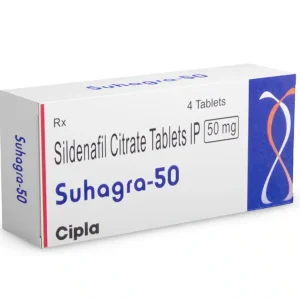
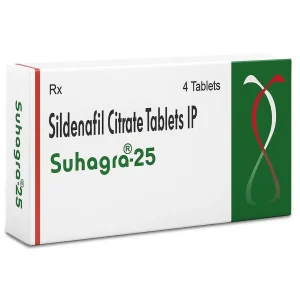
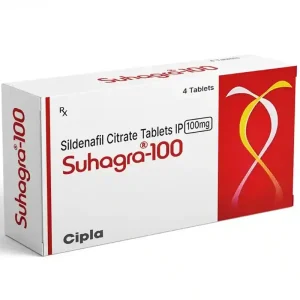
Suhagra is a brand of sildenafil citrate tablets manufactured by Cipla Ltd. — a Mumbai-headquartered pharmaceutical multinational founded in 1935 and now the world's third-largest pharmaceutical company by global prescription volume. Cipla operates WHO-GMP certified manufacturing facilities across multiple production sites in India, serving regulated markets in the United States, the United Kingdom, Europe, Africa, and Asia. Its quality management systems undergo regular scrutiny from international regulatory agencies, including the U.S. FDA and the UK's MHRA.
Suhagra's active ingredient, sildenafil citrate, is the same molecule that Pfizer first brought to market as Viagra in 1998 — the compound that created the oral ED treatment category and remains its most widely used pharmacological agent after more than 25 years and tens of millions of patients worldwide. When Pfizer's U.S. patent expired in 2017, pharmaceutical manufacturers worldwide were permitted to produce generic sildenafil under their own brand names. Cipla's Suhagra is among the most clinically credible of those generics — produced at Cipla's pharmaceutical grade with full quality documentation.
Suhagra is available in three doses — 25 mg, 50 mg, and 100 mg — covering the full therapeutic range of sildenafil for erectile dysfunction. It is indicated for on-demand use: taken as needed, 30–60 minutes before anticipated sexual activity, producing erectile support for 4–6 hours in most men.
In the generic ED market, not all sildenafil tablets are created equal — and the difference between manufacturers is not theoretical. It is pharmacological: the bioavailability of sildenafil, the consistency of dose-to-dose drug release, the purity of the active pharmaceutical ingredient (API), and the absence of harmful impurities all depend on the quality of the manufacturing process. Cipla's decades-long investment in pharmaceutical infrastructure and quality control is what makes Suhagra different from lower-pedigree generics.
WHO-GMP (World Health Organization Good Manufacturing Practices) certification is not a rubber stamp — it is a comprehensive audit system that evaluates every aspect of pharmaceutical production: the source and purity of raw materials, the precision of tablet compression and coating, the accuracy of dose measurements, the integrity of packaging and storage, and the traceability of every batch from API synthesis to final product. Cipla's manufacturing facilities operate under these standards continuously, with regular re-audits. Every Suhagra tablet that reaches our store has been produced under these controls.
Generic sildenafil manufacturers are required by regulatory authorities to demonstrate bioequivalence to the original branded product — meaning that their formulation delivers the same amount of active drug to the bloodstream, within the same time window, as Pfizer's Viagra. Cipla's bioequivalence data for Suhagra is established across its full dose range, confirming that Suhagra 50 mg and Suhagra 100 mg perform pharmacokinetically identically to Viagra 50 mg and Viagra 100 mg in head-to-head studies. You are not getting a lesser drug — you are getting the same drug made by a company with the clinical credibility to prove it.
One of the most practically important but least discussed advantages of high-pedigree manufacturing is dose consistency across batches. Men who use Suhagra regularly need to know that the 100 mg tablet they take this month contains the same amount of bioavailable sildenafil as the 100 mg tablet they took last month — not 85 mg in one and 108 mg in the next. Cipla's pharmaceutical-grade manufacturing delivers this consistency. Lower-quality producers may not.
Suhagra's three-dose structure is not a commercial convenience — it reflects the clinical reality that sildenafil's optimal dose varies significantly between individual patients. Starting too high risks unnecessary side effects; starting too low may leave a man convinced the medication doesn't work for him. Cipla's three-dose range allows precision calibration. Here is a quick reference for all three formulations:
Variant | Dose | Onset | Duration | Ideal For |
Suhagra 25 mg | 25 mg | 30–60 min | 4–5 hrs | First-timers, older men (65+), drug-interaction caution, mild ED |
Suhagra 50 mg | 50 mg | 30–60 min | 4–6 hrs | Standard starting dose, mild–moderate ED, good tolerability profile |
Suhagra 100 mg | 100 mg | 30–60 min | 4–6 hrs | Moderate ED, men who have found lower doses insufficient |
Suhagra 25 mg is the lowest dose in the range — and the most frequently overlooked. Most men seeking sildenafil treatment fixate on the 100 mg dose, assuming that maximum dose equals maximum benefit. This is pharmacologically incorrect. The dose-response relationship of sildenafil is not linear above the minimum effective threshold — many men achieve full clinical satisfaction at 25 mg or 50 mg, with significantly fewer side effects and a cleaner, more comfortable experience than 100 mg provides.
Suhagra 25 mg is the medically appropriate starting dose for: men over 65, who tend to have slower sildenafil clearance and higher side effect sensitivity; men on medications that inhibit CYP3A4 (such as certain antibiotics, antifungals, or HIV medications), which reduce sildenafil's metabolic rate and elevate plasma levels; men with mild organic ED in which a low-dose response is expected; and men who have experienced significant side effects at 50 mg or 100 mg doses of other sildenafil generics. Our Suhagra 25 mg is the clinically correct entry point for cautious, precision-first sildenafil use.
Suhagra 50 mg is the dose most widely recommended as a starting point for adult men with no significant comorbidities and no contraindicated medications — exactly the dose level that clinical trial evidence most strongly supports as the optimal balance of efficacy and tolerability for the broadest male population. Most of the foundational sildenafil efficacy data that established the drug's clinical reputation was generated at 50 mg, making it the most well-characterized dose in the literature.
At 50 mg, the majority of men with mild-to-moderate ED achieve clinically satisfactory erections with a tolerable side effect profile — typically mild, temporary, and well-managed. For men trying sildenafil for the first time without specific clinical risk factors, Suhagra 50 mg is the right starting point: effective enough to establish whether sildenafil works for you, conservative enough to calibrate your personal side effect sensitivity before any dose escalation consideration. Our Suhagra 50 mg is one of the most reordered doses in our sildenafil catalog.
Suhagra 100 mg is the highest dose in the range — and the one most associated with Suhagra's global reputation. At 100 mg, sildenafil delivers its deepest standard-dose PDE5 inhibition, producing the highest peak plasma concentration, the most sustained erectile support within the 4-to-6-hour window, and the strongest clinical response in men with moderate-to-severe ED.
For men who have tried 50 mg and found it insufficient — whether due to diabetes, hypertension, age-related vascular changes, or simply individual pharmacological variation — 100 mg is the appropriate dose escalation. It is also the correct starting dose for men whose physician has assessed moderate-to-severe ED severity and determined that 50 mg is unlikely to produce an adequate response. Side effects are more pronounced at 100 mg than at 50 mg, and the contraindication profile is the same regardless of dose — but for men who need full-strength sildenafil, Suhagra 100 mg delivers it with the Cipla quality assurance that sets it apart from lower-pedigree alternatives.
Suhagra works through selective, competitive inhibition of the PDE5 enzyme — the same mechanism shared by all sildenafil-based ED medications. What makes the mechanism worth understanding in detail is that it explains both how Suhagra produces its effects and exactly why sexual stimulation is a non-negotiable requirement for it to work at any dose.
When a man receives sexual stimulation — visual, tactile, or psychological — neurons in the penile corpus cavernosum release nitric oxide (NO) as a neurotransmitter. Nitric oxide activates the enzyme guanylate cyclase, which catalyzes the conversion of GTP into cyclic guanosine monophosphate (cGMP). Rising intracellular cGMP causes smooth muscle cells in the cavernous arterioles to relax, the arteries dilate, blood pressure within the corpus cavernosum increases, and the penis becomes engorged — producing a physiologically normal erection.
The PDE5 enzyme exists specifically to degrade cGMP — it is the "off switch" for the erection mechanism, preventing permanent erection by terminating the vasodilatory signal once its purpose is served. In men with erectile dysfunction, this system is dysregulated: either PDE5 is excessively active, or the NO/cGMP production pathway is compromised by vascular disease, neurological damage, or hormonal imbalance. The practical consequence is that cGMP cannot accumulate to the threshold needed for a satisfactory erection, or it degrades before the erection is established or sustained.
Sildenafil binds competitively to the catalytic site of the PDE5 enzyme, blocking its cGMP-degrading activity. With PDE5 inhibited, cGMP accumulates above the threshold needed for cavernous smooth muscle relaxation, arterial dilation, and blood engorgement — restoring the erectile response. Critically, sildenafil requires NO to be present in the system — which is why sexual stimulation is not optional but essential. Without the arousal-triggered NO signal, there is no cGMP for sildenafil to protect, and no erection will result regardless of dose.
As sildenafil dose increases, two pharmacological parameters change: peak plasma concentration (Cmax) rises approximately proportionally with dose, and the depth of PDE5 inhibition increases. At 25 mg, PDE5 inhibition is partial — sufficient for men with mild ED or high sensitivity, but potentially inadequate for moderate-to-severe presentations. At 50 mg, inhibition reaches the clinically effective threshold for most men. At 100 mg, inhibition is at its maximum standard-dose depth — appropriate for men with significant PDE5 activity or reduced NO/cGMP baseline from vascular or metabolic disease. The half-life and duration of action (4–6 hours) remain constant across all three doses.
Sildenafil's PDE5 inhibition is not limited to penile smooth muscle — PDE5 is also expressed in the pulmonary vasculature, where its inhibition reduces arterial tone in the pulmonary circulation. This makes sildenafil effective for the treatment of pulmonary arterial hypertension (PAH) — a serious condition characterized by elevated blood pressure in the arteries supplying the lungs, causing progressive right heart failure. While Suhagra is not the primary pharmaceutical form prescribed for PAH (which uses a specific lower-dose sildenafil formulation under the Revatio brand), its pharmacological mechanism is directly relevant — demonstrating the depth and breadth of sildenafil's validated clinical applications beyond ED alone.
This is the comparison most men looking at Suhagra want to understand clearly. Here is the straightforward answer: Suhagra and Viagra contain the same active ingredient at the same doses, work through the same mechanism, produce the same clinical outcomes, and carry the same safety profile. The only meaningful differences between them are price and manufacturer — not pharmacology.
Branded Viagra commands its price premium primarily for three reasons: the historical R&D cost that Pfizer invested in discovering and clinically validating sildenafil; the decades of marketing expenditure that built the Viagra brand; and the legacy pricing structure that persisted even after patent expiry. None of these factors make Viagra's sildenafil different from Cipla's sildenafil. Cipla, as a WHO-GMP certified global pharmaceutical company, uses the same pharmaceutical-grade sildenafil API, manufactures to the same tablet precision standards, and produces Suhagra to the same bioequivalence specifications as Pfizer's brand.
For American men paying out-of-pocket — and most insurance plans in the U.S. still do not cover ED medication — the cost difference between branded Viagra and Suhagra is not marginal. At a typical U.S. retail pharmacy, Viagra 100 mg can cost $60–80 per tablet. Suhagra 100 mg from our store costs a fraction of that. The clinical outcome is equivalent. The financial reality is not.
Our store carries one of the broadest sildenafil generic ranges available. Here's how Suhagra sits alongside the other sildenafil brands in our catalog — and what makes each the right choice for different men.
Feature | Suhagra | Cenforce | Kamagra | Fildena |
Manufacturer | Cipla Ltd. | Centurion Labs | Ajanta Pharma | Fortune Healthcare |
Available doses | 25/50/100 mg | 25–200 mg | 50/100 mg+ | 50–200 mg |
Manufacturer legacy | India's 2nd largest pharma | Leading generic ED specialist | WHO-GMP certified | WHO-GMP certified |
Formulation types | Standard tablet | Standard tablet | Tablet, jelly, chewable | Tablet, professional, soft gel |
Best known for | Cipla quality & clinical pedigree | Widest dose range | Formulation variety | Affordable high-dose |
Cenforce (Centurion Laboratories) offers the widest dose range of any sildenafil brand we carry — from 25 mg through 200 mg — making it the choice for men who need dose escalation beyond standard Suhagra's 100 mg ceiling, or who want the Centurion Laboratories manufacturing pedigree. Suhagra's distinct advantage is Cipla's institutional pharmaceutical heritage: as one of the world's largest and most internationally regulated pharma companies, Cipla's quality infrastructure is unmatched among sildenafil generic producers. For men whose primary concern is manufacturer credibility alongside standard dosing, Suhagra leads the comparison.
Kamagra (Ajanta Pharma) is best known for its formulation variety — standard tablets, oral jelly, chewable, and effervescent formats — making it the top choice for men who want delivery alternatives to standard tablets. Suhagra offers only the standard tablet format, but what it lacks in formulation variety it more than compensates for in manufacturer depth and dose precision. For men who value the standard tablet format and Cipla's clinical pedigree, Suhagra is the clearer choice. For men who want an oral jelly format for faster onset, our full ED-Jelly collection has multiple alternatives.
Fildena (Fortune Healthcare) covers a broad dose range including professional sublingual and super-active soft gel formats — making it the best choice for men seeking alternative sildenafil delivery mechanisms alongside dose flexibility. Suhagra's standard tablet simplicity and Cipla's legacy manufacturing make it the preferred choice for men who want proven, no-frills sildenafil at its core clinical doses from one of the industry's most trusted producers.
If sildenafil — at any dose from Suhagra's range — has not delivered satisfactory results, the right question may be whether a different molecule is more appropriate. Our Tadalista 20 mg (tadalafil) is the most clinically distinct alternative — offering a 36-hour window, no food interaction, and a daily-dosing option that sildenafil cannot match. For men with severe ED where standard sildenafil doses have failed, our Vidalista 40 mg provides high-dose tadalafil at a clinical depth that often succeeds where sildenafil does not.
The correct clinical approach to sildenafil is always to start at the lowest dose that may be effective and adjust upward only if needed. For men under 65 with no significant comorbidities and no potentially interacting medications, Suhagra 50 mg is the recommended starting dose. Men over 65, on CYP3A4-inhibiting medications, or with known cardiovascular or hepatic sensitivities should start at 25 mg. Dose escalation to 100 mg should only happen after at least 4–6 properly conducted trials at the lower dose have produced consistently insufficient results.
Take Suhagra orally with a full glass of water 30 to 60 minutes before anticipated sexual activity. Peak plasma concentration typically occurs within 60 minutes of ingestion for most men, though individual metabolism varies. Some men find taking it 60 to 90 minutes before activity produces the most reliable results — this is particularly true for older men or those who have recently eaten a moderate meal. The clinical window of effective action is 4 to 6 hours in most patients.
Suhagra can be taken with or without food. However, a high-fat meal — particularly one containing more than 30 grams of fat — significantly delays sildenafil absorption. The FDA-documented food effect on sildenafil includes: a 29% reduction in maximum plasma concentration (Cmax) and a delay in time-to-peak-concentration (Tmax) of approximately 60 minutes. For men who eat a heavy dinner and then take Suhagra immediately after, the onset delay may be substantial and the overall drug exposure somewhat reduced. For best, most predictable results: take Suhagra on an empty stomach or after a light, low-fat meal.
Grapefruit and grapefruit juice contain compounds (furanocoumarins) that inhibit the CYP3A4 enzyme in the intestinal wall, which is responsible for first-pass sildenafil metabolism. Consuming grapefruit within several hours of taking Suhagra can significantly elevate plasma sildenafil levels beyond the intended dose — essentially giving the body more drug than the tablet label suggests, with a corresponding increase in side effect risk. Avoid all grapefruit products on any day you take Suhagra.
Moderate alcohol (1–2 standard drinks) has minimal pharmacokinetic interaction with sildenafil. However, heavier drinking compounds the hypotensive effect of sildenafil, increasing the risk of dizziness, fainting, and — at very high alcohol levels — cardiovascular instability. More practically, alcohol at any meaningful level impairs the central nervous system arousal signaling that sildenafil depends on to work. For best erectile outcomes, minimize or avoid alcohol consumption on the day of use.
Suhagra's half-life is approximately 4 hours, with the drug fully clearing the system within 24 hours in most men. Taking a second dose within 24 hours of the first does not extend the active window — it accumulates drug levels and dramatically increases the risk of severe side effects, particularly symptomatic hypotension. Only one dose per 24-hour period. If the prescribed dose did not produce satisfactory results, discuss dose adjustment with a physician — do not self-escalate within the same day.
Sildenafil's side effect profile is among the most comprehensively characterized in clinical pharmacology. The overwhelming majority of men who take Suhagra at appropriate doses experience no significant side effects, or only mild, transient ones that resolve without intervention. Understanding the complete profile — including the rare serious effects — enables safe, informed use.
Suhagra's contraindication profile is the same as all sildenafil-containing products. These are clinical absolutes — not cautionary suggestions.
For the 30 million American men estimated to experience erectile dysfunction, the condition is rarely a simple, isolated problem. It is almost always the surface expression of deeper biological, metabolic, hormonal, or psychological changes — many of which carry clinical significance far beyond sexual function. Understanding what drives ED in your specific case is not just useful for treatment selection; it can be the diagnostic trigger that reveals cardiovascular or metabolic disease years before it would otherwise be identified.
The arterial vessels that supply the corpus cavernosum are among the smallest in the body — just 1–2 mm in diameter. Because of their small caliber, they are disproportionately sensitive to the endothelial changes of atherosclerosis and arterial disease, and they manifest functional loss from these changes years before the larger coronary and cerebral arteries show symptomatic disease. Multiple large prospective studies have confirmed that ED in men over 40 is a statistically significant independent predictor of major adverse cardiovascular events — specifically heart attack and stroke — in the following 5–10 years. For any man whose ED is primarily vascular in origin, taking sildenafil is the right symptomatic treatment. But treating the underlying cardiovascular risk is the intervention that protects his life.
Testosterone is not the primary driver of the PDE5-mediated erection mechanism — but it plays a significant modulatory role. Testosterone maintains the sensitivity of penile tissue to nitric oxide signaling, supports libido and arousal, and modulates the psychological readiness for sexual activity. Men with significantly low testosterone (hypogonadism) typically experience reduced sexual desire, weaker erections, and poorer responses to PDE5 inhibitors than men with normal testosterone levels. For these men, combining testosterone replacement therapy with sildenafil often produces dramatically better results than either treatment alone.
Performance anxiety is the dominant cause of ED in men under 40 — and a significant compounding factor at any age when organic disease has taken the first erection failure and transformed it into anticipatory anxiety. The cycle is physiologically self-reinforcing: anxiety activates the sympathetic nervous system, which directly counteracts the parasympathetic pathways required for NO release and erection. Once established, this cycle can persist and worsen independent of any organic pathology, creating functional erectile dysfunction in men who are cardiovascularly completely healthy.
Suhagra — particularly at a well-titrated 50 mg or 100 mg dose — can help break this cycle by providing the physical reliability needed to rebuild sexual confidence. As performance anxiety diminishes through repeated successful encounters, many men find that they can eventually reduce their dose or use medication less frequently. For the behavioral strategies that complement this pharmacological approach, explore our resource on how men build and sustain sexual performance.
Sildenafil amplifies the body's physiological response to arousal. The stronger and healthier the underlying vascular, hormonal, and neurological systems, the more effectively Suhagra performs. These evidence-based lifestyle changes directly strengthen the biological substrate that sildenafil works on:
For our full range of men's health, respiratory, and general wellness products beyond ED treatment, explore our complete product catalog at our Shop All page — covering everything from asthma inhalers to women's health products for your partner. We also carry Cenforce FM 100 mg for female sexual dysfunction, offering comprehensive sexual health solutions for both partners in one place.
Purchasing ED medication is not just a transaction — it requires trust in the quality of the product, the security of the ordering process, and the absolute privacy of delivery. Here is exactly what we provide:
Men managing health conditions beyond ED — including asthma or respiratory conditions — will find additional health support in our Inhalers section, reflecting our commitment to comprehensive men's health beyond just sexual wellness. For men considering tadalafil as a longer-duration alternative to Suhagra, our Super Tadarise offers tadalafil combined with dapoxetine — addressing both ED and premature ejaculation simultaneously.
Pharmacologically, yes — Suhagra contains the same active ingredient (sildenafil citrate) at the same doses, produced to the same bioequivalence specifications. The difference is the manufacturer (Cipla vs Pfizer) and the price. Clinical outcomes across equivalent doses are indistinguishable. The institutional difference is that Cipla is one of the world's largest WHO-GMP certified pharmaceutical companies — not a small unknown producer — giving Suhagra a quality pedigree that most Viagra generics cannot match.
For most healthy adult men under 65 with no significant comorbidities and no potentially interacting medications, Suhagra 50 mg is the recommended starting dose — the dose most supported by clinical evidence as the optimal efficacy-tolerability balance. Men over 65, on CYP3A4 inhibitors, or with known sensitivity to PDE5 inhibitors should start at Suhagra 25 mg. Dose escalation to 100 mg should only occur after multiple properly conducted 50 mg trials have produced consistently inadequate results — "properly conducted" meaning taken on an empty or light-meal stomach, with full sexual stimulation, at least 45 minutes before activity.
The active window for Suhagra is 4 to 6 hours for most men — meaning that during this window, normal sexual stimulation should produce a satisfactory erection response. The tail end of this window typically produces weaker effects than the 1–2 hour peak. Sildenafil's half-life is approximately 4 hours, with the drug substantially cleared from the system within 24 hours. Men who expect effects to last all day or into the next morning (as tadalafil does) will be disappointed — sildenafil's pharmacokinetics do not support that duration regardless of dose.
Suhagra is designed for on-demand use only — taken as needed before anticipated sexual activity, not as a daily medication. Unlike tadalafil (which has a specifically approved 5 mg daily dose formulation), sildenafil does not have an established daily-dosing therapeutic profile. Taking Suhagra daily significantly increases cumulative side effect exposure and the risk of symptomatic hypotension without producing any clinical benefit over as-needed use. Use only when needed, once per 24-hour period.
Before concluding Suhagra 100 mg is ineffective, verify that you have taken it correctly: on an empty or light-meal stomach (high-fat food dramatically reduces absorption), at least 45–60 minutes before sexual activity, with genuine sexual stimulation present, and without significant alcohol consumption on the same day. If 100 mg taken correctly produces no response after 4–6 properly conducted trials, discuss alternatives with your physician. Options include switching to a different PDE5 inhibitor class (tadalafil or vardenafil), investigating testosterone levels, assessing for contributing medications, or exploring our full range of tadalafil options which may produce better results in specific vascular or diabetic ED presentations.
At therapeutic doses, sildenafil does not have a clinically established negative effect on sperm count, motility, or morphology in the general male population. Some research has explored higher-dose sildenafil effects on sperm parameters with mixed results, but standard clinical doses of Suhagra are not currently associated with significant fertility risk. Men with active fertility concerns should discuss all medications with a reproductive urologist before use.
The Same Sildenafil as Viagra. The Quality of Cipla. A Price That Makes Sense.
For millions of American men, the obstacle to effective ED treatment has never been the existence of a solution — it has been the cost of accessing it consistently. Suhagra removes that obstacle: Cipla's pharmaceutical-grade sildenafil, in three clinically precise doses, at pricing that makes ongoing treatment accessible rather than an occasional expense. Whether you are starting at 25 mg and building toward your optimal dose, or have already found that 100 mg is what your body needs — Suhagra from ED Care Store gives you Cipla's institutional quality without the Pfizer retail markup.
Start with our Suhagra 50 mg — the clinical benchmark dose — or explore our Malegra range as an alternative sildenafil brand. For questions, call or text +1 (914) 999-2631 or email support@edcarestore.com — 24/7.
Medical Disclaimer
The content on this page is provided for informational purposes only and does not constitute medical advice, diagnosis, or treatment. Always consult a licensed healthcare provider before starting, adjusting, or stopping any medication, including sildenafil (Suhagra). ED Care Store does not diagnose, treat, cure, or prevent any medical condition. All products are subject to applicable prescription requirements and legal compliance in the purchaser's jurisdiction.

