Explore our range of Climax Spray products — FDA-approved, clinically tested, and delivered discreetly to your door.
Premature ejaculation (PE) is medically defined as ejaculation that occurs sooner than a man or his partner wishes — consistently, with minimal stimulation, and with associated personal distress or relational friction. The International Society for Sexual Medicine (ISSM) provides a more precise clinical definition: ejaculation occurring at or before approximately one minute after vaginal penetration for lifelong PE (a pattern present since first sexual experience), or a significant reduction in ejaculation time from a man's previously normal baseline for acquired PE.
PE is not a single uniform condition. Contemporary sexology recognizes four clinically distinct subtypes, each with different causes, different prognoses, and different treatment implications:
The high prevalence of PE reflects the evolutionary biology of male ejaculatory reflex — which is neurologically primed for speed rather than duration — and the psychological amplification that comes from sexual performance anxiety, inexperience, or relationship pressure. Unlike erectile dysfunction, which is primarily vascular and becomes more common with age, PE is most prevalent in men under 40 — though it affects men of all ages. Acquired PE in older men is frequently associated with developing ED, where the urgency to ejaculate before erection loss creates a secondary pattern of premature ejaculation.
Understanding how topical delay sprays work explains both why they are effective and why — when used correctly — they produce ejaculatory delay without eliminating erection quality or sexual pleasure. The mechanism is more sophisticated than simply "numbing the penis."
Ejaculation is primarily a spinal reflex driven by afferent sensory input from the penis — particularly the glans penis. During sexual activity, sensory nerve endings in the glans (primarily through the dorsal penile nerve, a branch of the pudendal nerve) continuously transmit signals to the spinal ejaculation generator in the lumbar spinal cord. As cumulative sensory input reaches a critical threshold, the spinal center triggers the ejaculatory reflex — regardless of whether the brain has consciously authorized it. In men with PE, this threshold is reached faster — either because of penile hypersensitivity, faster signal transmission, or a lower central threshold for ejaculatory reflex triggering.
Lidocaine (and lignocaine, which is another name for the same molecule — lidocaine hydrochloride — used in some pharmaceutical markets) is an amide-class local anesthetic that works by blocking voltage-gated sodium channels (VGSCs) in sensory nerve axon membranes. Sodium channels are essential for the generation and propagation of action potentials — the electrical impulses that carry sensory information from the nerve ending to the spinal cord. When lidocaine enters nerve cell membranes and binds to VGSCs in their open or inactivated state, it prevents sodium ions from entering the cell — halting action potential generation without damaging the nerve.
Applied topically to the glans penis, lidocaine reduces the frequency and intensity of sensory signals transmitted by the penile dorsal nerve. The critical result: the cumulative threshold for ejaculatory reflex triggering is reached more slowly — delaying ejaculation proportionally to the degree of sensory reduction. At correctly calibrated concentrations (5%–10% lidocaine), the reduction is sufficient to meaningfully extend IELT (intravaginal ejaculation latency time) without eliminating erotic sensation, causing numbness painful to intercourse, or impairing erection quality.
The clinical evidence for topical lidocaine delay sprays is substantial and consistent. A randomized controlled trial published in the International Journal of Impotence Research found that lidocaine 5% spray applied 10–20 minutes before intercourse produced statistically significant improvements in IELT, ejaculatory control scores, and sexual satisfaction compared to placebo across 8 weeks of treatment. A separate proof-of-concept study using a lidocaine-prilocaine spray found average IELT increased from 1 minute 24 seconds to 11 minutes 21 seconds — an approximately eightfold improvement. Research into 9.6% lidocaine pump sprays (similar concentration to our Lox 10 and Xylocaine formulations) has demonstrated that 80% of men using the spray reported sexual satisfaction, compared to under 30% of untreated controls.
Benzocaine is an ester-class local anesthetic — a different chemical family from lidocaine's amide class — but it works through the same fundamental mechanism of voltage-gated sodium channel blockade. The key differences are pharmacokinetic: benzocaine is metabolized differently (by plasma cholinesterases rather than hepatic CYP2D6), has a shorter duration of action, and a lower systemic absorption profile than lidocaine at equivalent concentrations. For men who have experienced hypersensitivity reactions to amide-class anesthetics (rare but possible), benzocaine provides a chemically distinct alternative. For most men, the clinical experience of using benzocaine-based Stad 5000 vs lidocaine-based sprays is similar in practical effect.
We carry nine distinct delay spray formulations — the most comprehensive topical PE treatment selection available from any single online store in the U.S. Here is a quick comparison:
Product | Active Ingredient | Concentration | Best For |
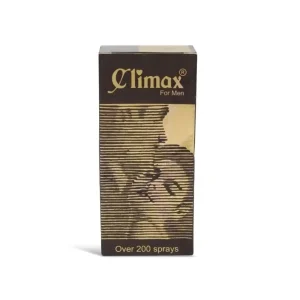
Climax Spray 5 mg | Lidocaine | 5 mg/spray | First-time users, mild sensitivity reduction needed |
Climax Spray 12 mg | Lidocaine | 12 mg/spray | Men needing stronger desensitization |
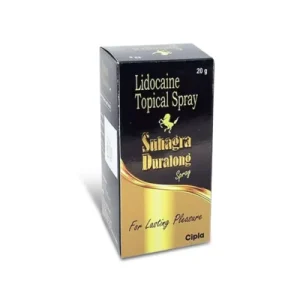
Suhagra Duralong 5 mg | Lidocaine | 5 mg/spray | Mild PE, Cipla-brand reliability at entry dose |
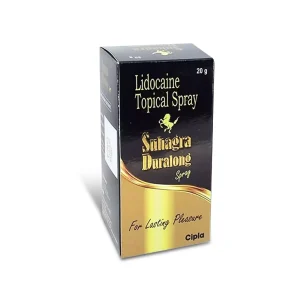
Suhagra Duralong 20 mg | Lidocaine | 20 mg/spray | Moderate-severe PE, Cipla high-dose spray |
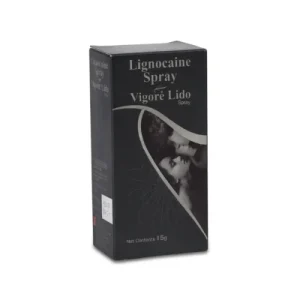
Vigore Lido Spray | Lidocaine | Lidocaine-based | Men wanting a well-known branded lido spray |
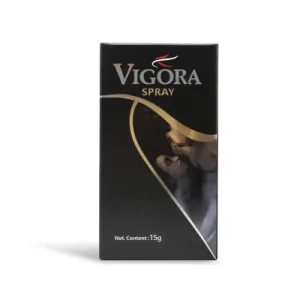
Vigora Spray | Lidocaine | Lidocaine-based | Balanced desensitization, general PE support |
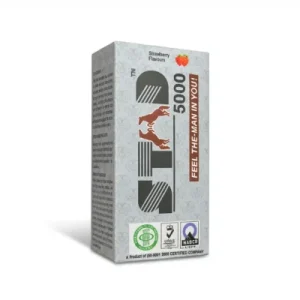
Stad 5000 Spray | Benzocaine 5000 mcg | Benzocaine-based | Ester anesthetic, different action profile to lidocaine |
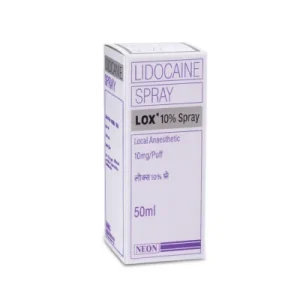
Lox 10 Spray | Lignocaine 10% | 10% lignocaine | High-potency lignocaine, stronger desensitization |
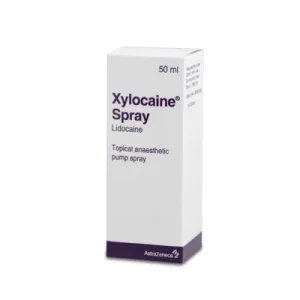
Xylocaine Spray | Lignocaine 10% | 10% lignocaine | Medical-grade lignocaine, AstraZeneca heritage |
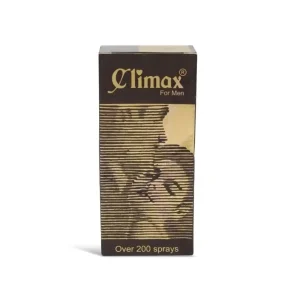
Climax Spray 5 mg is the lowest-concentration lidocaine spray in our range — the ideal entry point for men using topical delay spray for the first time. At 5 mg per actuation, the desensitization effect is mild and targeted: sufficient to reduce the frequency of oversensitive penile nerve signaling that drives premature ejaculation, without producing the excessive numbness that makes sexual activity uncomfortable or joyless for either partner.
This is the right starting formulation for: men with mild PE whose IELT is 1–3 minutes and who want modest extension; men who are concerned about partner transfer (lower concentration = lower transfer risk); and men who want to establish their personal response to topical anesthesia before considering stronger formulations. Our Climax Spray 5 mg is the most accessible entry point in our delay spray catalog.
Climax Spray 12 mg delivers more than double the lidocaine concentration of the 5 mg spray — producing a meaningfully stronger desensitization of glans sensory nerve endings. This is the appropriate choice for men who have tried 5 mg Climax Spray and found it produces insufficient delay, or whose PE severity (IELT consistently under 1 minute) demands a stronger clinical response.
The 12 mg dose maintains the practical on-demand convenience of the 5 mg format while providing the deeper sensory modulation that men with moderate-to-severe PE need for consistent ejaculatory control. Our Climax Spray 12 mg is one of the most frequently reordered products in our delay spray range.
Suhagra Duralong Spray 5 mg is Cipla Ltd.'s topical delay spray — the same pharmaceutical company behind the Suhagra sildenafil range and one of the world's most internationally regulated pharmaceutical manufacturers. The Duralong brand is Cipla's dedicated PE treatment line, bringing the company's WHO-GMP certified pharmaceutical standards to the topical anesthetic space.
For men who place significant weight on manufacturer credibility and pharmaceutical-grade formulation quality, the Suhagra Duralong brand provides something that many smaller spray manufacturers cannot match: the institutional pharmaceutical infrastructure of a WHO-GMP multi-national, with the quality consistency that implies. At the 5 mg dose, it is the right choice for mild PE with Cipla's pedigree behind it. Our Suhagra Duralong Spray 5 mg is the pharmaceutical-grade entry-dose option in our range.
Suhagra Duralong Spray 20 mg is Cipla's high-dose PE spray — delivering four times the lidocaine concentration of the entry 5 mg formulation. This is the appropriate choice for men with moderate-to-severe lifelong PE who need a robust desensitization response, and who want the assurance of Cipla's pharmaceutical-grade manufacturing at a meaningful clinical dose.
At 20 mg per spray actuation, the Duralong 20 mg produces deep, reliable sensory modulation of the glans — extending IELT substantially in most users while the Cipla formulation maintains careful balance to avoid over-numbing. For men who have used the 5 mg Duralong and need more, the Suhagra Duralong Spray 20 mg is the logical next step within the Cipla brand family.
Vigore Lido Spray is a lidocaine-based delay spray from the Vigore product family — a recognized name in the men's sexual health space. It delivers lidocaine at a clinically effective concentration in a metered-pump spray format, providing consistent per-spray dosing with each actuation for reproducible, predictable results.
For men who have previously used Vigore brand products for ED support or general sexual health and want a delay spray from a familiar name, our Vigore Lido Spray is the natural choice — a lidocaine spray with brand-family continuity for men who value product-line familiarity.
Vigora Spray is a lidocaine-based topical delay spray designed for balanced, practical PE management in everyday use. It sits comfortably in the mid-range of desensitization strength — strong enough to meaningfully extend ejaculatory latency for most men, gentle enough to maintain pleasurable sensation for both partners throughout intercourse.
Our Vigora Spray is the practical, well-balanced choice for men who want reliable daily PE management without the risk of over-numbing that higher-concentration sprays occasionally produce at full application dose.
Stad 5000 Spray is a benzocaine-based delay spray — the only ester-class topical anesthetic in our range — delivering 5000 mcg (5 mg) of benzocaine per actuation. Benzocaine works through the same voltage-gated sodium channel mechanism as lidocaine but through a chemically distinct molecular pathway, making it the preferred alternative for men who have experienced skin sensitivity or hypersensitivity reactions to lidocaine-class anesthetics (amide-class), or who simply prefer a chemically different anesthetic profile.
Benzocaine is among the most widely used topical anesthetics globally — found in numerous OTC dental pain products, throat lozenges, and skin preparations — with a long-established safety profile in topical use. Our Stad 5000 Spray is the right choice for men seeking an ester-class alternative to lidocaine-based delay products.
Lox 10 Spray delivers 10% lignocaine — one of the highest-concentration topical anesthetic formulations available in our delay spray range. At 10%, Lox 10 provides deep, fast-acting desensitization of glans sensory nerve endings — producing substantial ejaculatory delay in men with severe PE or those who have found lower-concentration sprays insufficient. Lox 10 is used in clinical and medical settings as a topical anesthetic, and its application for PE represents a powerful off-label utilization of its well-established anesthetic properties.
Men using Lox 10 Spray should exercise greater caution around application dose and timing than with lower-concentration products — at 10%, over-application is more likely to produce significant numbness that can temporarily impair erection quality. Apply 1–2 actuations only, wait 10–20 minutes, and wipe gently before intercourse. Our Lox 10 Spray is our highest-potency lignocaine spray — for men with severe PE who need maximum anesthetic depth.
Xylocaine Spray is the premier medical-grade lignocaine product in our delay spray range. The Xylocaine brand has a decades-long history in clinical medicine — it is AstraZeneca's branded lignocaine formulation, used worldwide in medical procedures requiring topical anesthesia including endoscopy, bronchoscopy, and throat procedures. Xylocaine Spray for PE applies this same pharmaceutical-grade 10% lignocaine formulation to topical penile desensitization, bringing hospital-grade anesthetic precision to the management of premature ejaculation.
For men who want the reassurance of a product with the deepest pharmaceutical heritage and clinical validation in the lignocaine category, our Xylocaine Spray is the most clinically pedigreed option in our entire delay spray catalog.
The clinical evidence for topical delay sprays includes specific findings about application timing and technique that directly affect how well the spray works. Correct application is not complicated — but the difference between applying correctly and applying carelessly is the difference between reliable ejaculatory control and inconsistent, unpredictable results.
Apply 1–3 actuations of the spray to the glans penis (the head) and frenulum — the two areas of greatest sensory nerve density. Do NOT apply to the shaft, testicles, or perineum: these areas have different sensory nerve distributions and topical anesthesia here does not meaningfully affect the ejaculatory reflex. Timing matters: 10 to 20 minutes before sexual activity is the optimal window, allowing sufficient time for the anesthetic to penetrate the mucosal epithelium and begin blocking sodium channels in subepithelial nerve endings. Applying immediately before intercourse produces insufficient onset; applying more than 30–40 minutes before produces diminishing effect as some superficial absorption and redistribution occurs.
After spraying, allow the spray to air-dry and absorb for the full waiting period. Do not rub aggressively as this can displace the spray from the glans surface before full mucosal penetration has occurred. Light, gentle contact with the product during arousal or self-stimulation during the waiting period is generally acceptable — vigorous friction may reduce absorption depth.
One of the most important — and most commonly neglected — steps in correct spray application is gently wiping the glans with a soft cloth or tissue before penetrative intercourse. This removes excess surface spray and prevents transfer of lidocaine to the partner's genital or oral mucosa, which can cause unwanted numbness in the partner during intercourse. The intramural (absorbed) anesthetic remains active in the penile nerve endings after wiping — the ejaculatory delay benefit is preserved. The partner-transfer risk is largely eliminated.
Clinical guidance consistently recommends starting with one actuation only and assessing the response before escalating to two or three sprays. Over-application — particularly with higher-concentration products like Lox 10 and Xylocaine 10% — can produce excessive penile numbness that reduces erection quality, makes penile sensation during intercourse uncomfortably dull, or produces discomfort from skin-level over-anesthesia. Start with one spray, establish your response, then adjust.
Men using any topical delay spray should be aware that using a condom over the anesthetized glans further reduces penile sensation — in some men, this combination may produce excessive numbness and temporary erection difficulty. When using condoms with delay spray, start at the lowest spray dose. Without a condom, wiping before penetration adequately manages partner transfer risk while preserving more natural penile sensation for the user.
American men searching for PE treatment encounter three main pharmaceutical categories: topical delay sprays, topical anesthetic creams, and oral systemic medications (primarily dapoxetine or off-label SSRIs). Understanding the clinical differences between these options helps you choose the most appropriate treatment — and helps you understand why many men use more than one in combination.
Feature | Topical Delay Spray | Oral Dapoxetine | Behavioral Techniques |
Speed of action | 10–20 minutes | 60–90 minutes | No prep time (practiced skill) |
Duration of effect | 30–60 minutes | 3–4 hours | Ongoing (trained response) |
Systemic side effects | Minimal (local action only) | Yes (nausea, dizziness, headache) | None |
Partner safety concern | Minor (wipe before penetration) | None | None |
Erection quality impact | Generally none (may cause slight numbness) | None (may improve with PE confidence) | None |
Requires prescription | No (topical OTC) | Typically yes | No |
Best combined with | Behavioral techniques or oral ED/PE meds | Topical spray for maximum effect | Topical spray for faster results |
Topical delay creams (typically EMLA — a lidocaine-prilocaine mixture) were historically used before dedicated PE sprays became widely available. Sprays offer several practical advantages over creams: faster absorption due to the fine aerosol droplet particle size; more precise dosing via metered-pump actuations (vs estimating cream volume); lower partner transfer risk because the thinner spray film is easier to wipe clean; faster drying time for the waiting period; and significantly greater convenience for on-demand use during intimacy.
For men with severe or refractory PE — particularly those with lifelong PE characterized by IELT under 30 seconds — clinical research supports combining topical lidocaine spray with an oral PE agent. Studies comparing oral dapoxetine alone versus topical lidocaine spray alone versus the combination have consistently shown that the combination approach produces the greatest IELT improvement and the highest patient satisfaction. The two treatments target different points in the ejaculatory pathway: the spray reduces peripheral afferent signaling, while oral dapoxetine modulates serotonergic central ejaculatory threshold circuits. Together, they address both the peripheral and central neurological drivers of premature ejaculation simultaneously.
Many American men experience both erectile dysfunction and premature ejaculation concurrently — a combination more common than either condition alone, particularly in men over 40. The acquisition of ED frequently triggers performance anxiety that secondarily causes PE (the urgency to ejaculate before erection loss). For these men, the complete solution requires addressing both conditions simultaneously: a delay spray for PE control, and a PDE5 inhibitor for erectile reliability.
Our delay sprays work completely independently of oral ED medications — there are no pharmacological interactions between topical lidocaine/lignocaine and PDE5 inhibitors. Men using Vidalista 20 mg tadalafil for erection support can use any of our Climax Spray products simultaneously without any interaction concern. Similarly, the Malegra sildenafil range is fully compatible with all topical anesthetic sprays in our collection.
Topical anesthetic delay sprays have one of the most favorable side effect profiles of any treatment category for premature ejaculation — because their action is local, not systemic. The drug does not enter the general circulation in clinically meaningful amounts, meaning that the systemic side effects (nausea, dizziness, headache, cardiovascular effects) associated with oral PE medications are essentially absent from topical spray use.
Topical delay sprays are among the safest treatments in sexual medicine, but certain groups should apply caution or seek medical guidance before use:
Premature ejaculation does not have a single cause — it is the clinical endpoint of multiple interacting biological, psychological, and situational factors. Understanding which drivers are most prominent in your case shapes both treatment selection and long-term management expectations.
Research consistently shows that many men with lifelong PE have heightened sensitivity of the glans penis — both at the neurological level (faster conduction velocity in the dorsal penile nerve) and at the receptor level (greater density or sensitivity of sensory receptors in the glans mucosa). This hypersensitivity means that the cumulative sensory threshold triggering the ejaculatory reflex is reached more quickly than in men with normal PE latency. Topical lidocaine sprays directly address this mechanism — reducing glans sensory input to a rate that allows a normal ejaculatory latency to be achieved.
Serotonin (5-HT) plays a central modulatory role in the ejaculatory reflex. 5-HT₂C receptor activation inhibits ejaculation; 5-HT₁A receptor activation facilitates it. Men with PE tend to have a relative deficit in ejaculatory inhibitory serotonin signaling — which is why SSRIs (selective serotonin reuptake inhibitors), by elevating synaptic serotonin, consistently delay ejaculation. This central serotonergic pathway is distinct from the peripheral nerve mechanism targeted by topical sprays, which is why combining spray with an oral serotonin-modulating agent often produces superior outcomes to either treatment alone.
Performance anxiety creates a physiological state that directly accelerates ejaculation. Heightened sympathetic nervous system activity — triggered by anxiety, self-monitoring during sex, fear of repeating a previous premature episode, or partner-directed performance pressure — increases autonomic arousal in a way that lowers the ejaculatory threshold. The anticipation of premature ejaculation becomes a self-fulfilling cycle: the anxiety causes faster ejaculation, which increases anxiety, which causes even faster ejaculation in the next encounter.
As discussed above, acquired PE in men over 40 is frequently triggered by the onset of erectile dysfunction. When maintaining erection becomes uncertain, the psychological urgency to ejaculate before losing erection transforms into a behavioral pattern that mimics — and eventually becomes — true premature ejaculation. Treating the underlying ED with a PDE5 inhibitor often simultaneously resolves the secondary PE, since the anxiety driver is removed. For men in this situation, a delay spray combined with an erectile support medication provides the most complete treatment approach.
The best outcomes for PE management are achieved when topical delay spray is combined with behavioral and psychological strategies. These techniques work on the central and psychological components of PE, complementing the spray's peripheral desensitization effect:
Purchasing PE treatment — like any aspect of sexual health management — requires trust in product quality, confidence in the ordering process, and absolute privacy in delivery. Here is what we provide:
For men who want to explore our full range of oral ED treatments alongside topical PE solutions, our complete Blue Pill sildenafil collection covers every major sildenafil brand and dose — giving men managing both ED and PE the ability to source their complete sexual health treatment from a single trusted provider. Men preferring a single-tablet dual PE+ED oral solution can explore our Tadalista oral collection — which includes formulations combining tadalafil with dapoxetine for simultaneous ED and PE management in one dose.
Only if the spray is not wiped before penetration. Lidocaine and lignocaine transfer from the penile surface to vaginal or oral mucosa on direct contact — and can cause numbness, mild burning, or reduced sensation in a partner. This is entirely prevented by gently wiping the glans with a soft cloth 10–20 minutes after application (and just before penetration). The absorbed anesthetic remains active within the penile subepithelial tissue; the surface excess that would transfer is removed by wiping.
At correctly calibrated doses for most men, topical lidocaine spray does not meaningfully impair erection quality. Erection is primarily a vascular response to arousal signaling — not a sensory nerve-dependent process in the same way ejaculation is. However, at very high spray doses — particularly with 10% lignocaine products like Lox 10 and Xylocaine — excessive glans desensitization can reduce the sensory arousal input that contributes to erection maintenance during prolonged intercourse for some men. This is managed by using the minimum effective spray dose and not over-applying.
Most topical lidocaine and lignocaine sprays begin producing meaningful sensory modulation within 5 to 10 minutes of application, with peak effect at 10–20 minutes. Clinical protocols consistently recommend a 10–20 minute application-to-intercourse gap for optimal effect. Applying immediately before intercourse produces insufficient onset time; applying more than 30–40 minutes before and then wiping may reduce residual effect in some men. The 10–20 minute window is the clinically optimal window for all the sprays in our range.
Yes — topical lidocaine/lignocaine/benzocaine sprays have no pharmacological interaction with oral PDE5 inhibitors (sildenafil, tadalafil, vardenafil). They work at completely different biological levels: the spray works peripherally on penile sensory nerve endings; PDE5 inhibitors work on vascular smooth muscle through the cGMP pathway. These are non-overlapping mechanisms with no known interaction. Men using any of our delay sprays alongside any oral ED medication in our catalog can do so safely.
Not necessarily. For men with lifelong PE — where neurobiological penile hypersensitivity is a permanent feature — ongoing use of delay spray is a valid, safe long-term management strategy. For men with acquired or performance-anxiety-driven PE, the spray serves an important transitional role: providing the ejaculatory reliability needed to break the anxiety-failure cycle, rebuild sexual confidence, and allow behavioral techniques to develop. Many men with acquired or anxiety-driven PE find that after 3–6 months of spray use — during which confidence is rebuilt through consistently successful encounters — they can reduce reliance on the spray or discontinue it entirely.
At the spray doses used for PE (1–3 actuations to the glans, 2–4 times per week in active use), 10% lignocaine sprays like Lox 10 and Xylocaine are considered safe for regular use in healthy adults with normal hepatic function. Systemic absorption at these topical doses is minimal. The primary risk with regular high-concentration spray use is progressive skin sensitivity — occasionally men develop localized irritation with very frequent use. If this occurs, reducing dose or rotating to a lower-concentration spray resolves the issue.
PE is the Most Common Sexual Concern in Men. Our Climax Spray Range Is the Most Targeted Solution.
No systemic drugs. No waiting for tablets to absorb. No cardiovascular contraindications. No prescription required. Just a topically targeted, clinically evidenced anesthetic that reduces penile hypersensitivity exactly enough to restore the ejaculatory control that PE has been taking away — letting you focus on the experience rather than the clock.
Explore our complete Climax Spray collection today and choose the formulation that fits your PE severity, your preferred anesthetic class, and your comfort level. Questions? Contact us 24/7 at +1 (914) 999-2631 or support@edcarestore.com. Discreet delivery. Genuine products. Every time.
Medical Disclaimer
The content on this page is provided for informational purposes only and does not constitute medical advice, diagnosis, or treatment. Consult a licensed healthcare provider before starting any new treatment for premature ejaculation, particularly if you have known hypersensitivity to local anesthetics, a hepatic condition, or are using other medications. ED Care Store does not diagnose, treat, cure, or prevent any medical condition.

