
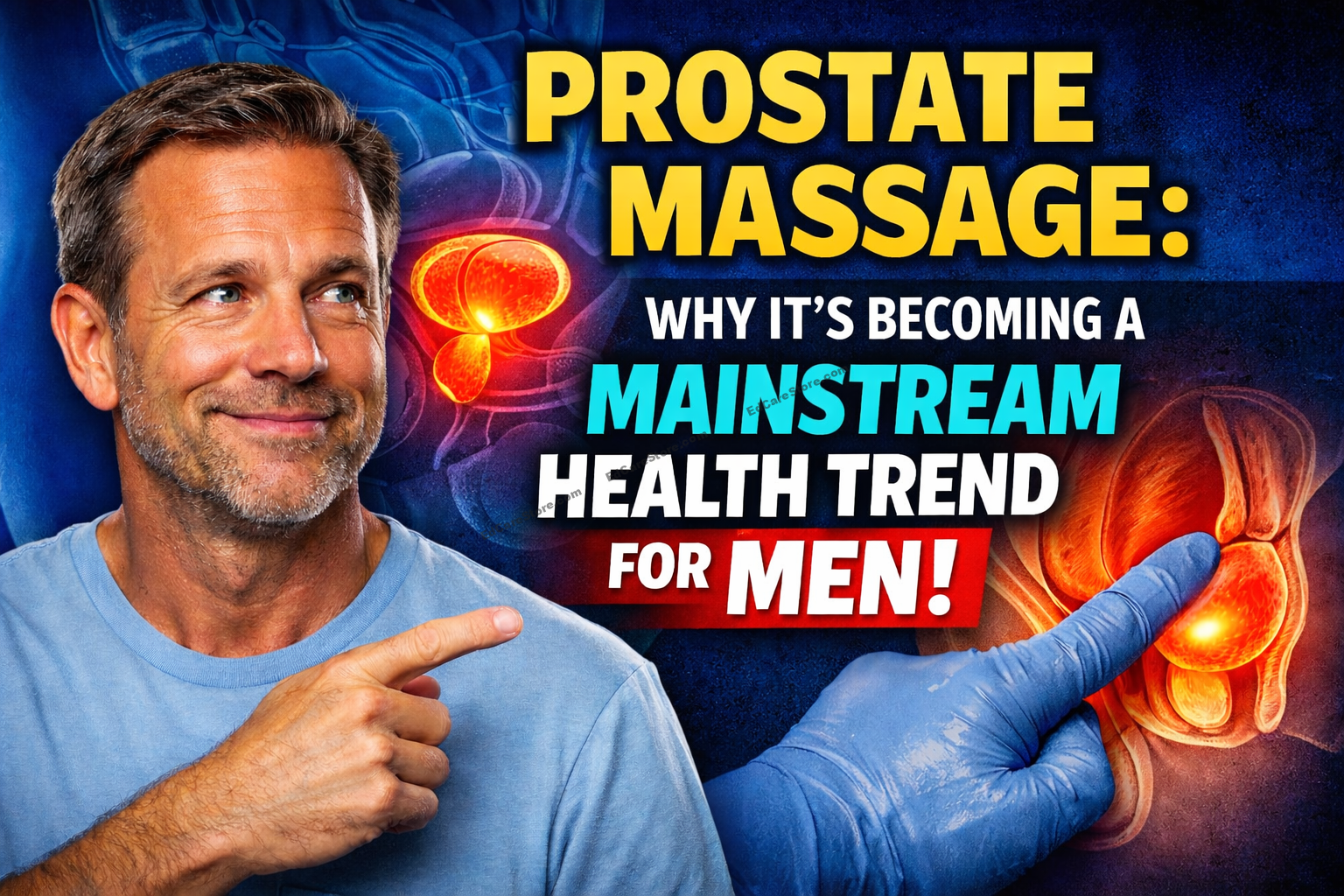
Prostate Massage: Why It’s Becoming a Mainstream Health Trend for Men For decades, the prostate gland was something men only thought about when something went wrong. Today, that’s changing. Prostate massage — once limited to clinical settings or whispered about in niche conversations — is now openly discussed in men’s health forums, urology clinics, and wellness communities worldwide. More men are discovering its potential benefits for prostate health, urinary function, sexual performance, and even erectile dysfunction (ED). So what’s behind this shift, and is it worth your attention? What Is Prostate Massage and How Does It Work? The prostate is a small, walnut-sized gland located just below the bladder and in front of the rectum. It plays a key role in producing seminal fluid — the liquid that carries and nourishes sperm. As men age, the prostate can become prone to inflammation, enlargement, and infection, leading to a range of uncomfortable symptoms. Prostate massage is the manual stimulation of the prostate gland, typically performed via the rectum by a healthcare professional or using specialized devices. The goal is to encourage drainage of the prostatic ducts, reduce congestion, improve blood flow, and ease pressure on the urethra. Think of it as clearing a blocked pipeline — when fluid builds up in the prostate ducts, it can cause pain, swelling, and disruptions to both urinary and sexual health. Historically, prostate massage was a standard medical treatment for prostatitis before antibiotics became widespread. It’s regaining attention today as men look for complementary, non-pharmaceutical approaches to prostate wellness. Why Prostate Massage Is Going Mainstream in 2025 A convergence of factors is pushing prostate massage into the mainstream. As wellness culture expands and men’s health awareness grows, more men are actively exploring options beyond prescription medications. Google searches for “prostate massager” have more than tripled over the past decade, and sales of prostate massage devices have reportedly surged significantly among men over 45. Conversations about modern men’s sexual wellness are becoming normalized online — and prostate health is right at the center of that shift. Additionally, urologists and sexual health specialists are more openly discussing prostate massage as a complementary therapy. Men dealing with chronic pelvic pain, prostatitis, benign prostatic hyperplasia (BPH), or erectile dysfunction are increasingly curious about non-invasive options to support their treatment plans. Health Benefits of Prostate Massage 1. Relief from Chronic Prostatitis and Pelvic Pain Chronic prostatitis — inflammation of the prostate — is one of the most common urological complaints in men under 50. Symptoms include pelvic pain, discomfort during urination, and painful ejaculation. Prostate massage is thought to reduce inflammation by stimulating blood flow and helping drain trapped secretions in the prostatic ducts. Some men report significant relief from regular sessions combined with conventional treatments. 2. Improved Urinary Flow The prostate wraps around the urethra, so when it becomes inflamed or enlarged, it can squeeze the urethra and disrupt urine flow. This leads to weak stream, incomplete emptying, and frequent urgency. By reducing inflammation and congestion, prostate massage may ease that pressure and help restore more normal urinary patterns. This is particularly relevant for men dealing with BPH, which affects half of men over 50. 3. Prostate Massage and Erectile Dysfunction This is where the conversation gets particularly relevant for many men. Erectile dysfunction and prostate health are closely linked. Poor blood flow to the pelvic region — a common feature of prostate inflammation — can directly contribute to difficulty achieving or maintaining an erection. Prostate massage is believed to improve circulation in the pelvic area, which in theory could support better erectile function. While prostate massage alone isn’t a substitute for medically proven ED treatments, it may serve as a complementary approach. Men who already use tadalafil-based medications for ED may find that supporting overall pelvic blood flow and prostate health enhances their results. Tadalafil options like Vidalista 20 mg remain among the most popular ED treatments due to their 36-hour effectiveness window, while stronger doses like Vidalista 60 mg or Vidalista 80 mg are available for men requiring higher-strength support. 4. Enhanced Sexual Pleasure and Ejaculation The prostate is sometimes referred to as the “male G-spot” — and for good reason. Prostate stimulation can intensify sexual pleasure for many men and even contribute to stronger orgasms. Some men report reduced pain during ejaculation following regular prostate massage, particularly when ejaculatory discomfort is tied to prostate inflammation or blockage. Beyond pleasure, clearing the prostatic ducts may support healthier semen quality and volume. Types of Prostate Massage: Clinical vs. At-Home There are two primary approaches to prostate massage: Medical/clinical massage: Performed by a urologist or trained specialist using a gloved, lubricated finger during a rectal exam. This remains the safest and most accurate method, especially for therapeutic purposes. At-home devices: Prostate massagers designed specifically for safe internal stimulation are widely available. These devices, when used with appropriate hygiene and lubrication, allow men to explore prostate therapy independently. However, medical guidance is strongly recommended before beginning at-home practice. External prostate stimulation is also possible through the perineum (the area between the scrotum and anus), offering a less invasive entry point for those new to the practice. Safety, Risks, and When to Consult a Doctor Prostate massage is not suitable for everyone. It should never be performed in cases of acute bacterial prostatitis, as massage can spread infection. Men with prostate cancer should avoid it without direct physician guidance. Side effects of improper technique can include rectal discomfort, bleeding, or worsening of inflammation. Always consult a healthcare provider before starting prostate massage therapy, especially if you have an existing prostate condition, a history of prostate cancer, or are experiencing severe symptoms. Prostate massage works best as part of a broader men’s health approach — not as a standalone cure. Prostate Health and Sexual Performance: The Bigger Picture A healthy prostate supports healthy sexual function. That’s a connection many men overlook until problems arise. Investing in prostate care — whether through massage, diet, regular exercise, or timely medical treatment — has

Edging 101: A Guide to Building Better Sexual Endurance
Edging 101: A Guide to Building Better Sexual Endurance Lasting longer in bed is one of the most common concerns men have about their sexual performance — and for good reason. Whether you’re dealing with premature ejaculation, general anxiety around performance, or simply want to give your partner a more satisfying experience, the answer may already be within your control. Edging is a technique that has been practised for decades, backed by sexual health research, and increasingly recognised as one of the most effective natural methods for building sexual endurance. This guide will walk you through exactly what edging is, how it works, the benefits, how to practise it correctly, and when it makes sense to combine it with proven ED and PE support options. What Is Edging? Edging — also known as the stop-start method, orgasm control, peaking, or surfing — is the practice of deliberately bringing yourself to the brink of orgasm and then pulling back before climax. You repeat this cycle multiple times before finally allowing release. The term comes from the idea of riding the very “edge” of orgasm without going over. It was first formally described as a therapeutic technique by sex researcher James H. Semans in the 1950s as part of premature ejaculation treatment. Today, it is widely recommended by sex therapists, urologists, and sexual health practitioners as a way to train the body to better regulate arousal. How Does Edging Work? During sexual arousal, your body builds toward orgasm through a predictable sequence of physical changes: increased blood flow, muscle tension, and heightened nerve sensitivity. Ejaculation occurs when this tension crosses the “point of no return” — a threshold where the reflex becomes involuntary. Edging works by training your nervous system to recognise and tolerate high levels of arousal without automatically triggering ejaculation. Each time you approach that threshold and then back off, you become more aware of your body’s signals. Over time, you develop the ability to stay at high arousal levels for longer — effectively extending sexual activity and improving control. Think of it like physical training. The first time you push to your limit and back off, your tolerance is low. With repetition, that ceiling rises. This is why consistent practice is key — and why some men also choose to support their training with clinically formulated ED and PE tablets to complement behavioural techniques. Key Benefits of Edging 1. Builds Sexual Stamina and Endurance The most direct benefit of edging is lasting longer. By repeatedly reaching near-orgasm and stepping back, you train your body to sustain arousal over extended periods. Many men who practise consistently report a significant improvement in their ability to control ejaculation within weeks. 2. Helps with Premature Ejaculation Premature ejaculation (PE) affects a large percentage of men at some point in their lives. Edging is closely related to the stop-start method used in PE treatment — one of the most evidence-based behavioural interventions available. Regular practice helps recalibrate the ejaculatory reflex. 3. Reduces Performance Anxiety One of the most underrated effects of edging is the psychological shift it creates. When you know you can control when you finish, performance anxiety naturally decreases. You stop rushing and start enjoying — which ironically makes you last even longer. 4. Leads to More Intense Orgasms When you delay orgasm multiple times before finally letting go, the release is significantly more intense. The buildup of sexual tension amplifies the physical and emotional satisfaction of climax — for both you and your partner. 5. Deepens Partner Intimacy Edging with a partner requires communication, attention, and coordination. This naturally deepens intimacy, encourages open conversation about pleasure, and makes sex a more collaborative experience rather than something that just happens. How to Practise Edging: Step-by-Step Whether you’re starting solo or with a partner, edging follows the same fundamental process: Begin sexual stimulation as you normally would. Pay close attention to your arousal level and the sensations building toward orgasm. When you feel you’re approaching the “point of no return” — usually about 70-80% of the way to climax — reduce or completely stop stimulation. Allow the sensation to subside for 30-60 seconds, using slow breathing to help. Resume stimulation and repeat the cycle 2 to 5 times. On the final cycle, allow yourself to reach orgasm. Starting solo is recommended because it gives you full control over pace and stimulation with no external pressure. Once you’re comfortable recognising your threshold, you can bring the technique into partnered sex. Two Edging Techniques Worth Knowing The Stop-Start Method This is the most straightforward approach: stimulate until you’re close to orgasm, then stop completely. Wait for arousal to decrease, then start again. This is ideal for beginners because it requires no physical pressure beyond simply stopping. The Squeeze Technique A variation that adds a physical component: as you approach climax, apply gentle squeezing pressure at the base of the glans (the tip of the penis) for a few seconds. This activates the bulbospongiosus muscle and helps reduce the ejaculatory urge. This technique is also commonly recommended alongside Tadalafil-based support options for men managing both PE and ED simultaneously. Edging and Erectile Dysfunction: What You Need to Know Edging alone does not treat organic erectile dysfunction — meaning ED caused by reduced blood flow, hormonal imbalance, or vascular issues. However, for men whose ED is partially driven by performance anxiety or premature ejaculation, edging can be a genuinely helpful part of their overall approach. If you want to understand the full picture, our blog covers what causes ED and how it’s treated in more detail. For men dealing with both erection quality and endurance issues, many find the best results come from combining behavioural training (like edging) with medically proven support. PDE5 inhibitors — the active ingredients in most ED tablets — work by improving blood flow to the penis, giving you more reliable erections while you work on control through practice. At Ed Care Store, we stock a range of trusted options. Vidalista 20

Cannabis and Sex
Cannabis and Sex: How ‘Weed Lubricants’ and Gummies Affect Intimacy For centuries, cannabis has been associated with relaxation, heightened sensation, and a more open mindset. Today, that ancient connection is backed by modern products — weed-infused lubricants and cannabis gummies specifically designed to transform your intimate experiences. But how do these products actually work, and more importantly, are they right for you? Whether you are dealing with performance anxiety, low libido, discomfort during intimacy, or simply want to deepen your connection with a partner, understanding the science behind cannabis and sexuality is the first step. In this guide, we break down everything you need to know about weed lubricants and gummies — and how to complement them with proven medical solutions available at Ed Care Store. What Happens in Your Body When Cannabis Meets Intimacy? Cannabis interacts with the body’s endocannabinoid system (ECS) — a vast network of receptors that regulate mood, pain, sensation, stress, and even sexual arousal. Both THC (tetrahydrocannabinol) and CBD (cannabidiol) bind to ECS receptors found throughout the body, including in the reproductive organs. When activated, these receptors can reduce anxiety, heighten tactile sensitivity, improve blood flow, and promote muscle relaxation — all of which are directly relevant to sexual performance and pleasure. For men especially, the interplay between reduced anxiety and improved circulation can make a meaningful difference, particularly when erectile dysfunction or performance pressure is a factor. Men who struggle with vascular-related ED may benefit from exploring Tadalafil-based treatments alongside lifestyle approaches. Tadalafil works by improving blood flow to the penis, much like cannabis promotes localised circulation — but with clinically proven, consistent results. What Are Weed Lubricants and How Do They Work? Cannabis-infused lubricants — commonly called “weed lube” or “THC lube” — are topical products applied directly to the genitals before or during sex. Unlike edibles or smoking, they are not ingested, so they typically do not produce a full-body psychoactive “high” in most users. When applied to sensitive mucosal tissue, the cannabinoids are absorbed locally, producing effects such as: Increased blood flow and warmth to the applied area Enhanced sensitivity and tactile awareness Muscle relaxation, reducing tension or discomfort Natural lubrication support, reducing dryness and friction Heightened arousal responses These effects typically take 15 to 30 minutes to kick in, so timing matters. Users are advised to apply weed lube well before intimacy begins. CBD-based lubes work similarly but without any psychoactive risk, making them a preferred choice for those sensitive to THC. It is important to note that most cannabis lubes are oil-based, which means they are incompatible with latex condoms. If protection is required, look for water-based formulations. If you are experiencing dryness or discomfort during sex due to hormonal reasons, combining topical solutions with products designed for women’s health — like those in the Female Viagra collection — can address the root cause more effectively. Cannabis Gummies for Sex: What the Research Says Gummies are one of the most popular and accessible forms of cannabis for sexual enhancement. They are discreet, easy to dose, and come in a wide range of cannabinoid ratios. When consumed, THC is metabolised into 11-hydroxy-THC in the liver — a compound that produces stronger, longer-lasting effects than inhaled THC. Studies and user surveys suggest that cannabis edibles — including gummies — can: Significantly extend the length and intensity of orgasms Reduce performance anxiety and overthinking during sex Increase emotional intimacy and connection with a partner Boost libido and reduce sexual inhibitions Help manage pain or discomfort that interferes with enjoyment The key is dosage. Starting low — around 2.5 to 5mg of THC — is strongly recommended for beginners. Too high a dose can lead to anxiety, sedation, or paranoia, which are counterproductive to intimacy. CBD-only gummies offer a milder, non-psychoactive alternative that still promotes relaxation and reduces anxiety without any intoxicating effects. If gummies help with relaxation but you still find performance to be an issue, you may be dealing with a physiological component of erectile dysfunction. Sildenafil-based options in the Generic Viagra category at Ed Care Store provide fast-acting, clinically validated support that works within 30–60 minutes — a perfect complement to the calming effects of CBD gummies. Cannabis and Male Sexual Performance: The ED Connection It would be incomplete to discuss cannabis and sex without addressing erectile dysfunction (ED) directly. ED affects millions of men globally and has both physical and psychological roots. Cannabis can help with the psychological side — reducing anxiety, quieting mental chatter, and promoting relaxation. However, cannabis alone is not a treatment for ED. In fact, high doses of THC may temporarily impair erectile function or reduce testosterone levels. For men who experience persistent difficulty achieving or maintaining an erection, cannabis-based products should be considered a supplement to — not a replacement for — proven pharmaceutical treatments. The most effective approach combines mental relaxation (where cannabis can genuinely help) with medical intervention. Options like Sildenafil-based blue pill products address the vascular mechanics of erection by relaxing smooth muscle and improving blood flow to penile tissue. When performance anxiety is reduced through cannabis and blood flow is optimised through medication, the results can be transformative. Popular brands such as Kamagra and Cenforce are among the most trusted generic options for ED management, combining sildenafil’s efficacy with affordability and accessibility. Cannabis and Female Sexual Wellness For women, cannabis-infused products — particularly lubricants — have garnered significant attention for addressing pain during intercourse (dyspareunia), vaginal dryness, and low arousal. The muscle-relaxing and anti-inflammatory properties of CBD can be especially beneficial for women experiencing pelvic tension, endometriosis-related discomfort, or menopausal dryness. Beyond lubrication, THC and CBD gummies can help women overcome sexual inhibition, anxiety about intimacy, or difficulty reaching orgasm. The ECS receptors in the clitoral and vaginal tissue respond to cannabinoids by increasing blood flow and sensitivity. Women looking for more targeted support can explore the full Women’s Health range at Ed Care Store, which includes products specifically formulated to support female sexual health and hormonal balance. THC

Death Grip Syndrome
Death Grip Syndrome: Is Solo Play Ruining Your Real-Life Performance? Let’s have an honest conversation about something most men won’t bring up at the dinner table — or even with their doctor. If you’ve noticed that solo sessions feel incredible but sex with a partner just doesn’t seem to get you there anymore, you might be dealing with Death Grip Syndrome (DGS). No, it’s not a formal medical diagnosis. But thousands of men experience it, and the impact on their sex lives, confidence, and relationships is very real. What Exactly Is Death Grip Syndrome? Death Grip Syndrome is a slang term used to describe the desensitization of nerves in the penis caused by masturbating with an excessively tight grip. Hims The term was popularized by sex columnist Dan Savage in the early 2000s and has since become widely discussed among sex therapists and urologists alike. Here’s the core issue: during solo play, you’re in full control of speed, pressure, and rhythm — sometimes to the point where nothing else compares. Over time, this habit conditions the body and brain to only respond to a certain high-intensity level of stimulation. When sex with a partner doesn’t deliver the same intense sensation, climax can become difficult or impossible. End Death Grip Think of it like this — if you’ve been drinking espresso every morning for years, a regular cup of coffee just won’t cut it. Your body has recalibrated its baseline, and subtler stimulation simply doesn’t register the way it used to. Is Death Grip Syndrome Actually Real? Death Grip Syndrome is not recognized as a medical condition, but this does not mean it isn’t real or a cause for concern. In fact, it shares many similarities with delayed ejaculation — an officially recognized medical condition where a man finds it difficult or impossible to ejaculate through sexual activity. JOUJOU While DGS is not medically recognized, it’s very real for the men experiencing it. It is similar to Traumatic Masturbatory Syndrome, which involves sexual dysfunction from frequent, aggressive masturbation — both can interfere with pleasure and lead to issues like delayed ejaculation and penile desensitization. Popstar Labs If you’ve been struggling silently, wondering whether something is wrong with you — it’s not. But it does need to be addressed. At Ed Care Store, we believe that understanding the root cause is the first step toward reclaiming your performance and confidence in the bedroom. Signs You May Have Death Grip Syndrome Not sure if this applies to you? Here are the most common symptoms men report: Difficulty reaching orgasm during partnered sex, even when fully aroused Reduced sensitivity — the touch of a partner’s hand or body just doesn’t feel “enough” Needing to finish yourself during or after sex to achieve climax Relying heavily on porn alongside masturbation to stay stimulated Feeling frustrated or disconnected during sex, affecting intimacy and relationships On the psychological front, persistent challenges with orgasm during partnered sex can heighten stress and anxiety surrounding sexual encounters, potentially contributing to low self-esteem, feelings of inadequacy, or depressive symptoms. Relationship strain is also common, with partners potentially feeling rejected or frustrated, leading to diminished intimacy. Grokipedia If any of this sounds familiar, you’re not alone — and more importantly, it’s fixable. You can explore our range of men’s sexual health supplements that support sensitivity, stamina, and overall performance. How Does DGS Affect Erection Quality? This is where things connect directly to erectile dysfunction. Over-relying on an intense grip can trick the brain into thinking that’s the only way to get aroused. Then, when it’s showtime with a partner, things don’t work as planned — this kind of conditioning is one of the lesser-known erectile dysfunction causes and can lead to full-blown sexual performance anxiety. Popstar Labs It’s a vicious cycle: the anxiety about not performing makes performance even harder, which pushes men back toward solo play — reinforcing the very habit that caused the problem. If you’re experiencing difficulty maintaining erections beyond DGS, consider reading our blog on the link between anxiety and erectile dysfunction for deeper insight. How to Recover from Death Grip Syndrome The good news? Death Grip Syndrome is reversible in most cases. eDrugStore Recovery requires consistency and patience, but men who commit to these changes typically see real improvement within weeks to months. 1. Take a Short Break An initial short break from sexual stimulation — typically one to three weeks — is often recommended to allow nerve recalibration. Milder cases may improve with technique changes alone without any abstinence period. Grokipedia 2. Retrain with a Lighter Grip When you’re ready to resume sexual stimulation, do it slowly. Try gentle strokes and add lubricant to reduce friction. Pace yourself, and if you get too aroused, stop and breathe — teach your body to react to subtle touch and movement. eDrugStore A quality personal lubricant makes a huge difference in retraining sensitivity gently and safely. 3. Vary Your Technique Try changing position and hand with each session. Use a masturbator sleeve, use lubricant, masturbate standing up, lying down, or in the shower. End Death Grip Introducing a male masturbator designed to mimic realistic sensations can help bridge the gap between solo play and partnered sex — retraining your nervous system without cold-turkey abstinence. 4. Reduce Porn Dependency Try to leave the only time you reach completion to when you’re with your partner. Reducing frequency helps restore sensation and can also help break the psychological link between porn and climax. Pilot 5. Support Your Body Internally Nerve sensitivity and sexual response are also tied to circulation, testosterone levels, and overall vascular health. Supporting your body with targeted ED support supplements — including ingredients like L-Arginine, Maca Root, and Ginseng — can accelerate recovery by improving blood flow and nerve responsiveness. Browse our bestselling men’s performance boosters to find what works for your body. DGS vs. Erectile Dysfunction: What’s the Difference? It’s worth distinguishing between the two. If you’re finding it hard to climax even during masturbation, it might

How Do People Last in Bed for So Long?
How Do People Last in Bed for So Long? Sexual stamina is shaped by a combination of biology, psychology and lifestyle. Surveys suggest that penetrative sex lasts on average 3–13 minutes, yet partners often need different amounts of time to reach orgasm. A 2020 study of heterosexual couples found that women on average require 13.41 minutes to orgasm, while men typically ejaculate within 5–7 minutes. This gap fuels a perception that sex should last “for hours,” but such expectations are unrealistic. Erectile dysfunction (ED) or premature ejaculation (PE) can shorten sex further; at least 30 % of men experience PE. Rather than chasing arbitrary time goals, focus on pleasure, communication and strategies that work for you. Factors That Influence How Long You Last Biological and medical influences Nerve sensitivity and arousal – Some people reach climax faster because their nerve endings are more sensitive; desensitizing creams or condoms can delay ejaculation. Hormones and health conditions – Diabetes, high blood pressure, obesity and hormonal imbalances are linked to both ED and PE. Metabolic syndrome doubles the risk of premature ejaculation. Medication effects – Antidepressants like selective serotonin re‑uptake inhibitors (SSRIs) may prolong ejaculation, although research is mixed and side effects include decreased libido and erectile issues. Drugs used to treat ED (e.g., sildenafil and tadalafil) can also improve ejaculatory control. Circumcision – One study of men with PE found those circumcised reported better control. Other research shows conflicting results, so this should only be considered after medical consultation. Psychological and relationship factors Performance anxiety and stress – Anxiety, depression, relationship conflict and poor body image can cause or worsen both ED and PE. Partner communication – Couples who communicate about sex experience higher satisfaction. Discussing preferences reduces anxiety and helps you work together on techniques like start–stop or squeeze. Expectations and focus – Some people prolong sex by thinking about unrelated tasks, but therapists advise focusing on your body so you can adjust stimulation or pace when needed. Lifestyle and habits Weight, diet and exercise – Obesity and sedentary lifestyles are linked to ED and PE. Adopting a heart‑healthy diet (such as the Mediterranean diet) and exercising regularly can improve erectile function. Quitting smoking and moderating alcohol also help. Sleep and stress management – Chronic stress, sleep deprivation and drug misuse harm sexual function. Mindfulness, yoga and meditation can reduce stress. Techniques to Increase Sexual Stamina Technique Key idea Evidence & notes Start–stop / edging Stimulate until near climax, then pause until the urge subsides before resuming. Edging helps you understand your arousal so you can control ejaculation. Works best with practice and communication. Squeeze technique Gently squeeze the glans (tip) when the urge to ejaculate arises, then release and continue. Often combined with start–stop; squeezing slows blood flow and reduces stimulation. Pelvic floor exercises (Kegels) Contract and release the muscles used to stop urination; perform 10–15 repetitions three times per day. Strengthening pelvic floor muscles improves control over ejaculation and erections. Deep breathing & mindfulness Slow, deep breaths can delay orgasm by lowering arousal. Mindfulness helps you focus on sensations and adjust pace. Useful when combined with edging. Visualization Thinking of non‑sexual images or visualizing yourself staying in control reduces stimulation. Should not distract you from your partner’s experience. Foreplay & outercourse Extend sexual play through kissing, manual/oral stimulation or sex toys. Only 18 % of women orgasm from penetration alone, so focusing solely on penetration may be unnecessary. Communication ensures both partners enjoy the experience. Masturbation before sex Ejaculating earlier reduces sensitivity and prolongs subsequent intercourse. Timing matters; try within a few hours of partner sex. Use thicker or numbing condoms / desensitizing products Condoms and sprays containing benzocaine or lidocaine lower penile sensitivity. A study found benzocaine wipes increased ejaculation time by 5.5 minutes. Always remove excess product before penetration to avoid numbing your partner. Change positions Switching positions reduces stimulation and delays climax. Explore which positions slow or speed arousal. Medical treatments PDE5 inhibitors – Drugs like sildenafil and tadalafil relax blood vessels, improve erections and may enhance ejaculatory control. They are available in tablet form (e.g., Suhagra 50 mg, Fildena 100 mg) and as oral jelly. Always consult a doctor before using prescription ED medications. Dapoxetine / Priligy – A short‑acting SSRI approved in some countries for PE. It should be taken 1–2 hours before sex. See Tadacip 20 mg for an example of tadalafil tablets; speak to a physician about dapoxetine availability and safety. SSRIs (sertraline, paroxetine) – Daily or as‑needed use of SSRIs can delay ejaculation. They may cause side effects such as fatigue, dizziness and decreased libido; use only under medical supervision. Topical anesthetics – Sprays or creams containing lidocaine or benzocaine reduce sensitivity. Products like delay sprays or wipes must be applied and washed off before intercourse. Hormone therapy or counseling – If low testosterone, endocrine issues or psychological factors are identified, hormonal treatment or psychotherapy may help. Sex therapy can address performance anxiety, stress or relationship issues. Circumcision or surgery – In rare cases, circumcision has helped men control ejaculation, but evidence is mixed. Discuss risks and benefits with a specialist. Lifestyle Strategies Maintain a healthy weight and diet Excess body fat is associated with ED and PE. Aim for a balanced diet rich in vegetables, whole grains, lean proteins and healthy fats. The Mediterranean diet has been linked to reduced risk of erectile dysfunction. If you have metabolic syndrome or obesity, losing weight may improve stamina and energy. Our Men’s Health products and Tadalafil range support men working toward a healthier lifestyle, but they work best alongside nutritious eating and exercise. Prioritize physical activity Regular exercise improves circulation, heart health and testosterone levels, all of which support erectile function. Try at least 150 minutes of moderate activity per week plus strength training. Kegel exercises are essential for pelvic floor strength; these can be enhanced with products like Carefil 40 mg that contain tadalafil to improve blood flow when prescribed. Reduce stress and improve sleep Chronic stress and fatigue impair sexual performance. Incorporate mindfulness, deep breathing, yoga or counseling. Adequate sleep regulates hormone levels and energy.

When Does Your Penis Stop Growing?
When Does Your Penis Stop Growing? If you’re a young man wondering when your penis will finish developing, or a parent curious about what’s normal for your son, you’re asking a completely natural question. Understanding the timeline of puberty and genital development can help ease anxiety and set realistic expectations. Let’s break down what science tells us about penis growth and male sexual development. The Timeline: When Does It Start and Stop? Penis growth is directly tied to puberty, which typically begins between ages 9 and 14 for most boys. However, everyone develops at their own pace, and starting earlier or later doesn’t necessarily mean anything is wrong. Here’s the general timeline: Early Puberty (Ages 9-14) The first signs of puberty usually include testicular growth, which often precedes penis growth by about a year. You might notice the testicles getting larger and the scrotum becoming darker and more textured before the penis itself starts growing. Peak Growth Period (Ages 12-16) Most penis growth happens during mid-puberty. This is when you’ll see the most dramatic changes in both length and girth. Growth tends to be fastest between ages 12 and 16, though this varies significantly from person to person. Late Puberty (Ages 16-18) Growth typically slows down considerably during late puberty. While some development may continue, the dramatic changes are usually behind you by age 16 or 17. The Final Answer For most men, penis growth is complete by age 18 or 19. However, some studies suggest that minor growth can continue into the early twenties typically until around age 21. After this point, your penis has reached its adult size and won’t grow any larger naturally. What’s Considered Normal? There’s a wide range of what’s considered normal when it comes to penis size. The average adult erect penis is between 5 and 6 inches in length and about 4.5 to 5 inches in circumference. But remember, “average” means half are larger and half are smaller and all of these variations are completely normal. It’s also important to know that flaccid (soft) size has very little correlation with erect size. Some penises grow significantly when erect (often called “growers”), while others don’t change as much (sometimes called “showers”). Both are perfectly normal. Factors That Influence Growth Several factors determine your ultimate penis size: Genetics Just like height, eye color, and other physical traits, penis size is largely determined by your genes. There’s no reliable way to predict your final size, though genetics play the biggest role. Hormones Testosterone is the key hormone driving penis growth during puberty. Conditions that affect testosterone production can impact development, which is why it’s important to see a doctor if puberty seems significantly delayed. Overall Health and Nutrition Proper nutrition during childhood and adolescence supports normal development. While poor nutrition won’t necessarily result in a smaller penis, severe malnutrition or certain health conditions during critical developmental periods can potentially affect growth. Timing of Puberty Whether you’re an early or late bloomer doesn’t determine your final size. Late bloomers often catch up to their peers they just get there on a different schedule. When to See a Doctor While there’s a wide range of normal development, certain situations warrant a conversation with a healthcare provider: No signs of puberty by age 14 (no testicular enlargement, no pubic hair) Puberty started but seems to have stalled for over a year Concerns about extremely small penis size (a condition called micropenis, which is rare and typically diagnosed in infancy) Any pain, unusual curvature, or other physical concerns A doctor, particularly a pediatrician, endocrinologist, or urologist, can evaluate whether development is on track and address any underlying issues if needed. Kamagra Oral Jelly All $50.00 – $300.00Price range: $50.00 through $300.00 Select options This product has multiple variants. The options may be chosen on the product page Kamagra Gold 100mg All $75.00 – $255.00Price range: $75.00 through $255.00 Select options This product has multiple variants. The options may be chosen on the product page VIDALISTA 60 MG All $35.00 – $80.00Price range: $35.00 through $80.00 Select options This product has multiple variants. The options may be chosen on the product page CENFORCE 200 Mg All $31.00 – $130.00Price range: $31.00 through $130.00 Select options This product has multiple variants. The options may be chosen on the product page CENFORCE 100 MG All $23.00 – $90.00Price range: $23.00 through $90.00 Select options This product has multiple variants. The options may be chosen on the product page The Psychological Side Anxiety about penis size is incredibly common, especially during the teenage years when everyone develops at different rates. It’s easy to feel self-conscious in locker rooms or compare yourself to others, but remember that what you see when looking down at yourself looks smaller than it actually is due to the angle. It’s also worth noting that the penis you see in pornography isn’t representative of average. The adult film industry specifically selects for larger-than-average performers, creating unrealistic expectations. Things That Won’t Make It Grow Let’s address some myths. Once you’ve reached adulthood and your penis has finished growing: No pills, supplements, or creams will make it larger Exercises like “jelqing” don’t work and can cause injury Pumps and devices marketed for enlargement don’t create permanent growth Testosterone supplements won’t increase size in men with normal testosterone levels The Bottom Line Your penis will typically stop growing between ages 18 and 21, with most growth occurring during mid-to-late puberty. Everyone develops on their own timeline, and there’s a wide range of what’s considered normal. If you’re still going through puberty, be patient with your body. If you’re past your early twenties, you’ve reached your adult size. Either way, remember that sexual satisfaction and function have far more to do with confidence, communication, and technique than with measurements. Your body is unique to you, and that’s exactly as it should be. Focus on overall health, and trust that your development is unfolding just as nature intended.

How to Get a Bigger Penis: What Actually Works (And What Doesn’t)
How to Get a Bigger Penis If you’ve ever wondered about penis size, you’re not alone. It’s one of the most common concerns men have about their bodies, even though most men fall within the normal range. Let’s cut through the myths and focus on what science actually tells us. Understanding What’s Normal First, let’s talk facts. The average erect penis length is between 5 to 6 inches, and girth is around 4.5 to 5 inches. Studies show that most men who worry about their size are actually completely normal. Still, if you’re looking for ways to potentially enhance what you have, here’s what the research says. What Actually Works Weight Loss Here’s something many don’t realize: losing excess weight can make your penis appear larger. Fat around the pubic area can hide the base of the penis, making it look shorter than it actually is. Losing belly fat won’t technically make your penis bigger, but it will reveal more of what’s already there sometimes up to an inch or more. Pelvic Floor Exercises Strengthening your pelvic floor muscles (the same muscles you use to stop urinating mid-stream) won’t increase size, but it can improve erection quality and hardness. A firmer erection naturally looks and feels larger. These exercises, called Kegels, are simple: contract those muscles for 5 seconds, release, and repeat 10-15 times daily. Better Cardiovascular Health Your erection quality depends on good blood flow. Regular cardiovascular exercise, a healthy diet, quitting smoking, and limiting alcohol all improve circulation. Better blood flow means better erections, which means you’re working with your full potential size. Manscaping This is purely visual, but trimming pubic hair can make your penis appear larger. It’s a quick, safe option with immediate results. Medical Options (When Appropriate) Penile Traction Devices Some medical-grade traction devices have shown modest results in clinical studies potentially adding about half an inch to an inch in length after months of consistent daily use. However, they require dedication (several hours daily) and should only be used under medical guidance. Surgery Surgical options exist but come with significant risks and often disappointing results. Procedures like ligament cutting can add a small amount of flaccid length but don’t increase erect size. Fat transfer or dermal fillers for girth have high complication rates. Most reputable urologists don’t recommend these procedures except in cases of genuine medical need. What Doesn’t Work (Save Your Money) Let’s be clear about the scams out there: Pills and supplements: No pill can increase penis size. These are unregulated and often unsafe. Pumps (for enlargement): Vacuum devices can help with erections temporarily but don’t create permanent growth. Creams and oils: These do nothing for actual size. Jelqing and stretching exercises: Not only are these ineffective, but they can actually cause injury, scarring, and erectile dysfunction. Kamagra Oral Jelly All $50.00 – $300.00Price range: $50.00 through $300.00 Select options This product has multiple variants. The options may be chosen on the product page Kamagra Gold 100mg All $75.00 – $255.00Price range: $75.00 through $255.00 Select options This product has multiple variants. The options may be chosen on the product page VIDALISTA 60 MG All $35.00 – $80.00Price range: $35.00 through $80.00 Select options This product has multiple variants. The options may be chosen on the product page CENFORCE 200 Mg All $31.00 – $130.00Price range: $31.00 through $130.00 Select options This product has multiple variants. The options may be chosen on the product page CENFORCE 100 MG All $23.00 – $90.00Price range: $23.00 through $90.00 Select options This product has multiple variants. The options may be chosen on the product page The Psychological Aspect Here’s an important truth: most concerns about penis size are rooted in anxiety rather than reality. Partner surveys consistently show that the vast majority of people are satisfied with their partner’s size, and many report that size matters far less than technique, emotional connection, and communication. If anxiety about size is affecting your sex life or mental health, speaking with a therapist who specializes in sexual health can be incredibly helpful. Body dysmorphia related to genital size is real and treatable. The Bottom Line While there are a few evidence-based approaches that might offer modest improvements, there’s no magic solution for dramatic size increases. The best approach combines realistic expectations with overall health improvements: maintain a healthy weight, exercise regularly, strengthen your pelvic floor, and focus on cardiovascular health. Remember, sexual satisfaction depends much more on confidence, communication, and technique than on size. If you’re considering any medical intervention, consult with a board-certified urologist who can give you honest, evidence-based advice specific to your situation. Your worth and your sexual prowess isn’t measured in inches.
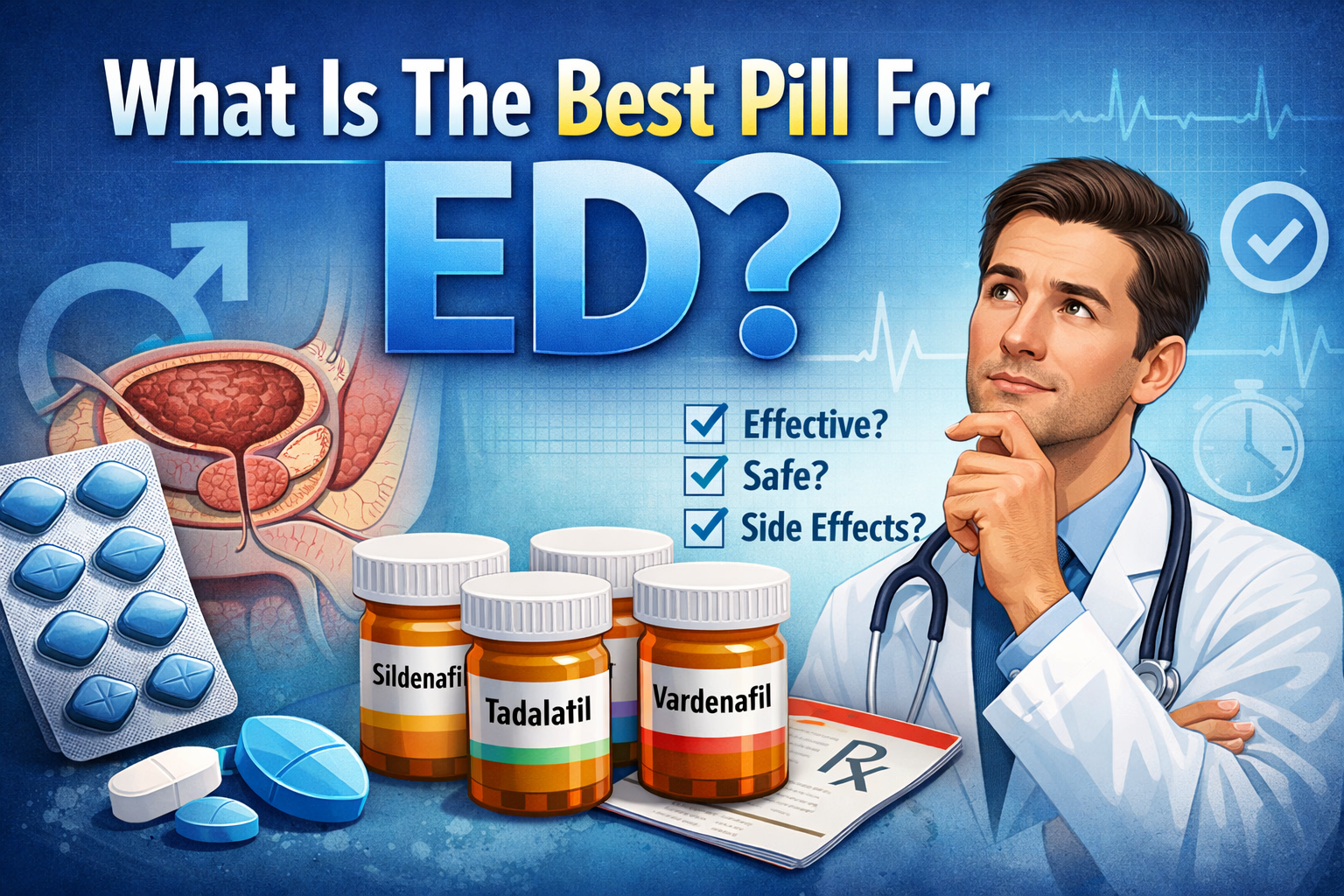
What Is The Best Pill For Ed?
What is the Best Pill for ED? Erectile dysfunction (ED) affects millions of men in the United States. It can happen occasionally or persistently, and the good news is that oral medications have made treatment simple and discreet. These medicines are not one‑size‑fits‑all, though. Understanding how they work, their differences and your own health needs will help you choose the best ED pill. This guide explains the main classes of ED pills, compares their pros and cons, and outlines the factors you should consider when selecting a treatment. Medical disclaimer – This article is intended for educational purposes only. Always speak with a licensed healthcare provider before starting or changing any medication. How do ED Pills Work? Most ED pills approved in the United States are phosphodiesterase type‑5 (PDE‑5) inhibitors. These medicines enhance the effect of nitric oxide, a natural chemical that relaxes smooth muscles in blood vessels. By inhibiting the PDE‑5 enzyme, they increase blood flow to the penis during sexual stimulation. Examples include sildenafil (Viagra), tadalafil (Cialis), vardenafil (Levitra) and avanafil (Stendra). These drugs do not automatically cause an erection; sexual arousal is still required. Factors to Consider When Choosing an ED Pill Different pills vary in how quickly they start working, how long they last, potential side effects and interactions. When picking the best option, consider the following: Onset and Duration – Avanafil can work in 15-30 minutes and last 6-12 hours; sildenafil takes 30-60 minutes and lasts around 4-5 hours; tadalafil starts in 30-45 minutes and can last 24-36 hours; vardenafil is similar to sildenafil. If spontaneity is important, a longer‑acting drug may suit you better. Dietary Flexibility – High‑fat meals can delay absorption of sildenafil, whereas tadalafil can be taken with or without food. This matters if you often dine before intimacy. Frequency of Dosing – Tadalafil offers a daily low‑dose option for men who prefer continuous readiness. Others, like sildenafil and avanafil, are taken only when needed. Side Effects and Contraindications – Common side effects include flushing, headache, upset stomach and nasal congestion. Rarely, sudden vision or hearing loss or priapism may occur. ED pills should not be combined with nitrates, certain blood pressure medicines or strong CYP3A4 inhibitors. Underlying Health Conditions – Severe liver or kidney disease, recent heart events, very low or high blood pressure and inherited eye disorders can make ED medicines unsafe. Discuss your medical history with your doctor. Cost and Availability – Generic versions of sildenafil, tadalafil and vardenafil are often cheaper than branded products. You should also use reputable pharmacies; buying medicines from unregulated sources online can be unsafe. Comparing common ED pills Below is a summary of the key characteristics of the main ED pills approved in the U.S. Use this as a starting point when speaking with your healthcare provider. Sildenafil (Viagra) – the original “blue pill” Sildenafil was the first FDA‑approved ED pill. It begins working in about 30 minutes and lasts up to four hours. Because it’s taken on demand, it may be more cost‑effective for men who need treatment occasionally. High‑fat meals delay its effect, so it’s best to take it on an empty stomach or light meal. Common side effects include headache, flushing and stuffy nose. More serious adverse effects (rare) include tinnitus, vision changes and prolonged erections. Internal link suggestion: If you and your healthcare provider decide sildenafil is right for you, ED Care Store offers several strengths. Our Cenforce Gold 100 mg tablets provide reliable sildenafil at an affordable price. We also carry Careforce 50 mg and Suhagra 50 mg for different dosage needs. Tadalafil (Cialis) – longer‑acting flexibility Tadalafil is distinguished by its prolonged action; effects can last 24–36 hours, sometimes longer. It can be taken as needed or daily at lower doses for continuous readiness. It may be better for men who prefer spontaneity or have frequent sexual activity. However, its longer duration means side effects (such as flushing or back pain) may last longer. Tadalafil should not be used with certain heart medications, and heavy drinking can cause dangerously low blood pressure. Internal link suggestion: Explore our tadalafil‑based products like Tadaga Super 60 mg and Tadagra Strong 40 mg for potent as‑needed dosing. For daily or dual‑action formulas, consider Tadaflo 5 mg or Super Carefill tablets. Vardenafil (Levitra) – reliable performance Vardenafil works similarly to sildenafil, with an onset of 30–60 minutes and duration of roughly four to five hours. Some studies suggest it may have fewer vision‑related side effects, but it should still be used with caution. Food can delay absorption, although not as much as with sildenafil. Men who do not tolerate sildenafil sometimes respond well to vardenafil. Internal link suggestion: Our Sildigra XL Plus 150 mg and Stallegra 200 mg tablets deliver vardenafil‑based relief in higher strengths. For a jelly format, Malegra Oral Jelly 100 mg offers fast absorption. Avanafil (Stendra) – quickest onset Avanafil is the newest FDA‑approved PDE‑5 inhibitor. It starts working within 15–30 minutes and has a shorter duration (six to twelve hours). Because of its rapid onset and lower risk of side effects, avanafil may suit men who want a quick‑acting option with fewer dietary restrictions. It is more expensive than generic sildenafil or tadalafil but can be a convenient alternative. Internal link suggestion: Try Stallegra 200 mg or Super Vidalista 80 mg if you seek avanafil‑based, rapid‑acting tablets that also combine treatments for premature ejaculation. Combination and alternative formulations Some products combine PDE‑5 inhibitors with other agents to address both erectile dysfunction and premature ejaculation. For example, Super Carefill and Super Vidalista 80 mg pair tadalafil with dapoxetine (a selective serotonin re‑uptake inhibitor) for dual‑action relief. Oral jellies, such as Super Kamagra Oral Jelly and Malegra Oral Jelly 100 mg, provide faster absorption and are easier for men who dislike tablets. Our Fildena XXX 100 mg and Phallus Power 210 mg are non‑traditional formulations that support performance with additional herbal or nutraceutical ingredients. When ED pills might not be right Oral medications are the first‑line treatment for most
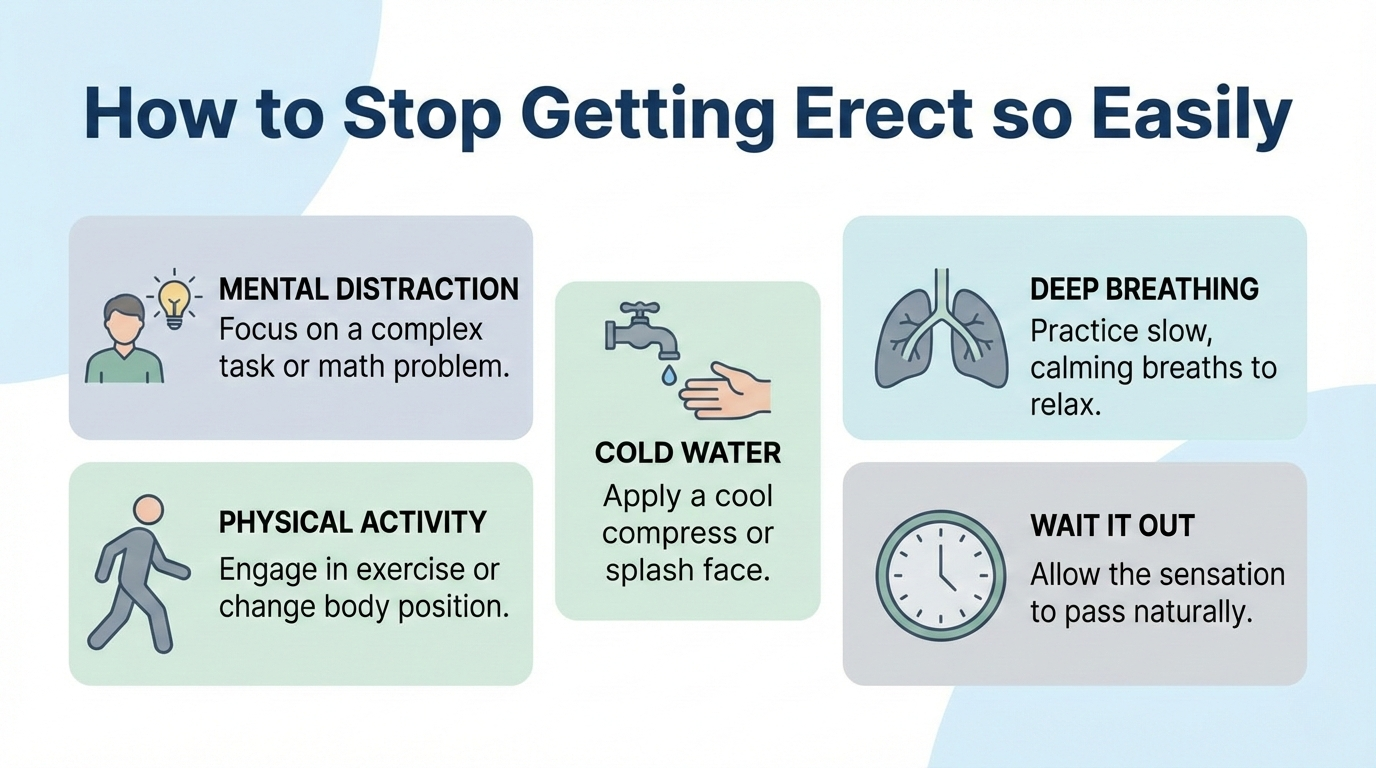
How To Stop Getting Erect So Easily
How to Stop Getting Erect so Easily Random erections can feel awkward, but they are also normal. Men and boys often experience several erections every night during rapid eye movement (REM) sleep, and spontaneous “unprovoked” erections can occur throughout the day when blood flow, hormones or mood shifts. According to clinicians at Columbia University, these erections help keep penile tissue healthy by ensuring regular oxygenation and blood flow. For many men, they are simply a sign that the circulatory and hormonal systems are working properly. Understanding the causes and learning practical coping strategies can help you feel more comfortable when they happen in an inconvenient setting. Why Do Spontaneous Erections Happen? Hormonal Fluctuations and Development: Testosterone levels naturally rise and fall throughout the day, peaking in the early morning. Adolescents often experience frequent erections because their hormones are surging and their bodies are learning to regulate blood flow. Unprovoked erections also accompany REM sleep three to five times per night. Physical Stimulation: Tight clothing, certain sitting positions or even the pressure from crossing your legs can inadvertently stimulate penile tissue. Moving or shifting positions can relieve this pressure. Mental and Emotional Triggers: Thoughts about intimacy, stress, nervousness or a sudden surge of excitement can all trigger an erection. Anxiety disorders like social anxiety disorder (SAD) or generalized anxiety disorder (GAD) may intensify the fear of getting an erection in public. Healthy Circulation: Medical sites note that random erections indicate healthy blood vessels. They show that the arteries and spongy tissues can dilate and fill with blood when the brain sends chemical signals. Random Erections vs. Erectile Dysfunction It is important to distinguish occasional, unwanted erections from erectile dysfunction (ED). Random erections demonstrate that your body is capable of delivering blood to the penis. If you experience spontaneous erections but struggle to get or maintain an erection during sexual activity, the cause may be psychological ED. On the other hand, if you get persistent erections lasting more than four hours, called priapism, seek immediate medical help; prolonged erections can damage penile tissue. Practical Strategies to Stop or Hide an Unwanted Erection Distract your Mind. Thinking about something non‑sexual such as reciting a poem, solving a math problem or focusing on work deadlines diverts attention away from arousing thoughts. The Columbia team also advises quietly reciting a speech or poem to shift attention. Change your Position. Adjusting your sitting or standing position can relieve pressure on the penis and remove accidental stimulation. Crossing your legs, placing a hand in your pocket or gently repositioning your clothing helps conceal the erection and allows it to subside. Meditate and Breathe. Meditation helps redirect your thoughts. Treated.com recommends the “4‑7‑8” breathing technique: inhale through your nose for four seconds, hold for seven seconds and exhale for eight seconds. Healthline adds that focusing on normal breathing or repeating a word can help the erection go away. Regular meditation may also reduce anxiety that triggers unwanted erections. Flex a Large Muscle. British surgeon Dr. Karan Raj suggests tensing a large muscle (like your thighs) to redirect blood away from the penis. Contracting leg muscles for 20–30 seconds sends blood to the flexed area and provides a discreet way to deflate an erection. Go to the Bathroom. If you’re able to, a quick trip to the restroom helps because focusing on urinating diverts your mind, and pressing gently on your bladder encourages the need to pee. As the bladder empties, the urethral sphincter relaxes and the erection often subsides. Take a Cold or Warm Shower. Medical News Today notes that taking a cold shower or warm bath is a traditional method for relieving an unwanted erection. Healthline cautions that you may not always have this option in public, and in some men, the sensation can actually increase arousal, so use this tactic when practical. Wait it Out Calmly. Sometimes the best option is to sit down, relax and wait. Avoid panic—remember that your erection is probably more noticeable to you than to others. Covering your lap with a jacket, laptop or book can give you privacy while you wait. Engage in Light Exercise. Light physical activity diverts blood flow to other muscles and speeds up the return to a flaccid state. A brisk walk, gentle squats or push‑ups can help. Even flexing thigh muscles while seated accomplishes this goal. Cover or Adjust Clothing. Wearing tighter underwear such as boxer briefs can make erections less visible, and adjusting your waistband or shirt provides discretion. Carrying a backpack or book to cover your lap is another simple tactic. Manage Anxiety and Stress. Fears about getting an erection at the wrong time may stem from social anxiety or generalized anxiety disorder. Cognitive behavioral therapy (CBT), meditation and regular exercise can reduce anxiety and help prevent unwanted erections. Consulting a mental‑health professional can be useful if intrusive thoughts or compulsive behaviors (as in obsessive‑compulsive disorder) dominate your life. Lifestyle Tips to Reduce the Frequency of Random Erections Stay Physically Active. Regular strength and aerobic training improve circulation and testosterone balance. Our in‑house blog on cold plunges and testosterone explains that compound exercises like squats and deadlifts support healthy hormone levels naturally. Maintain a Balanced Diet. Adequate zinc, vitamin D and healthy fats are essential for hormone production. Avoid excessive alcohol and recreational drugs; our article on smoking weed and erectile function discusses how heavy cannabis use is linked with higher rates of ED and vascular problems. Prioritize Quality Sleep. Lack of sleep can disrupt hormone production and increase anxiety. Aim for seven to nine hours per night. Prioritize Quality Sleep. Lack of sleep can disrupt hormone production and increase anxiety. Aim for seven to nine hours per night. Communicate with Partners. If you’re worried about unwanted erections in intimate settings, discuss your concerns with your partner. Open communication can ease anxiety and reduce the likelihood of an unwanted erection. When to Seek Medical Advice Occasional random erections are usually harmless, but seek medical help if: You experience a painful erection or one

How to Get Harder Erections?
How to Get Harder Erections? Maintaining strong erections is an important part of sexual health and relationship satisfaction. When men have trouble achieving or maintaining an erection, it can affect self‑esteem, intimacy, and even serve as an early warning sign for other health conditions. Rather than chasing quick fixes, science shows that supporting cardiovascular health, hormone balance and mental well‑being are the foundations of good erectile function. In this guide, we explore evidence‑based lifestyle strategies, medical treatments and product options that can help you enjoy firmer erections. Because we operate ED Care Store, a trusted source for FDA‑approved ED medicines and men’s health products, this article also provides links to our most popular treatments and educational resources so you can make informed choices. Understand the Causes of Erectile Dysfunction Erectile dysfunction (ED) simply means trouble getting or keeping an erection firm enough for sex. Occasional erection difficulty is normal, but when it happens more than half the time it is considered ED. According to Harvard Medical School, the inability to get firm or to keep an erection long enough occurs in roughly 25 % of sexual encounters for men with ED. Causes include vascular disease, diabetes, hormonal imbalances, neurological disorders, medication side effects and psychological factors such as stress or depression. In many men, ED signals underlying cardiovascular disease because narrow arteries reduce blood flow to the penis. It is also common for hormonal changes (especially declining testosterone), obesity, smoking and excessive alcohol intake to exacerbate the problem. Understanding the root causes helps you choose appropriate lifestyle changes and treatments. Talk with Your Partner and Health Care Provider Communication is the first step in addressing ED. Open discussions reduce anxiety, improve intimacy and allow couples to explore solutions together. A mental health professional or couples counsellor can provide guidance when psychological factors such as performance anxiety or relationship strain contribute to erection problems. Because persistent ED can indicate serious health issues, schedule a medical evaluation if the problem continues. Urologists can perform blood tests, evaluate hormone levels and identify cardiovascular risks. The Cleveland Clinic stresses that ED is highly treatable and that health‑care providers can recommend lifestyle changes, medications, counselling or advanced therapies. Lifestyle Strategies for Harder Erections 1. Exercise Regularly Exercise improves erectile function because it enhances blood flow, supports heart health and helps you maintain a healthy weight. A Harvard study found that 30 minutes of walking each day reduced the risk of ED by 41 %. Vigorous cardiovascular exercise such as brisk walking, jogging, cycling or swimming performed at least three times per week can reverse some cases of mild ED. Strength training and pelvic floor exercises (Kegels) are also beneficial. The pelvic floor muscles keep blood trapped in the penis during erection; strengthening them increases rigidity and control. Try contracting those muscles for five seconds, then relaxing, for 8-10 reps, three to five times per day. Recommended ED Care Store links: If you’re looking for doctor‑approved medications to supplement lifestyle changes, check out our pages on Vilitra (vardenafil) and Vardenafil for fast‑acting options. We also offer Vidalista and Cenforce, two tadalafil and sildenafil brands that can be used alongside exercise to improve erectile response. 2. Follow a Heart Healthy Diet Your penis needs a steady blood supply to get and stay hard. Diets rich in fruits, vegetables, whole grains, fish and healthy fats support vascular function, while processed foods, trans fats and excess sugar promote inflammation and artery damage. The Mediterranean diet emphasising antioxidant‑rich fruits and vegetables, whole grains and omega‑3‑rich fish improves blood vessel flexibility and nitric oxide production. Harvard’s Massachusetts Male Aging Study found that men who ate more natural foods and less red and processed meat were less likely to develop ED. Limiting saturated fats and reducing waist size (a 42‑inch waist increases ED risk by 50 % compared with a 32‑inch waist) support hormonal balance and vascular health. Recommended ED Care Store links: Consider natural supplements like Herbal Products or our Body & Mind category to complement a balanced diet. For targeted tadalafil therapy, Tadalafil offers long‑acting support that lasts up to 36 hours. 3. Maintain a Healthy Weight Excess body fat interferes with hormone production and damages blood vessels, increasing the likelihood of ED. A man with a large waistline is significantly more likely to experience erection problems. Losing weight reduces cholesterol, lowers blood pressure and improves insulin sensitivity—all of which protect erections. Aim for gradual weight loss through a combination of diet, aerobic exercise and strength training. Recommended ED Care Store links: When you’re ready to kick‑start weight management, explore Kamagra options like Kamagra Oral Jelly or Super Kamagra. These quick‑acting sildenafil formulations are popular among men who want reliable results while working on long‑term weight goals. 4. Get Enough Sleep and Manage Stress Sleep and stress are tightly linked to hormone levels and erectile performance. Poor sleep and sleep disorders are associated with ED, and inadequate sleep can contribute to arterial plaque buildup. Aim for 7-8 hours of quality sleep each night, stick to a consistent sleep schedule, create a dark and quiet bedroom and avoid screens before bedtime. Reducing stress decreases cortisol, a hormone that lowers testosterone when chronically elevated. Manage stress through regular exercise, mindfulness, deep breathing and social connection. Recommended ED Care Store links: For men whose stress stems from performance pressure, Climax Spray provides on‑demand control and can boost confidence. Our Blog post on natural testosterone boosters offers additional strategies for hormone balance. 5. Monitor Hormone Levels Testosterone declines gradually after age 30; nearly 40 % of men over 45 have low levels. Low testosterone leads to reduced sex drive, fatigue and weaker erections. A blood test can confirm levels. If you have symptoms of low testosterone, consult a doctor about lifestyle changes, supplements or replacement therapy. The Cleveland Clinic notes that testosterone replacement therapy can improve erections and libido and is available in gel, injection, patch or pellet form. Recommended ED Care Store links: We offer prescription testosterone medications and PDE5 inhibitors under our Generic Viagra collection. You may also find Cenforce Soft 100 mg or Vilitra 20 mg useful if you need on‑the‑spot support while addressing hormone imbalance. 6. Limit Tobacco and
