

Does Smoking Weed Cause Erectile Dysfunction? Marijuana use is on the rise across the United States, and so is awareness of men’s sexual health issues. About one in three men will experience some form of erectile dysfunction (ED) during their lifetime, and many people wonder whether their recreational habits could be playing a role. As a company focused on men’s health, we at ED Care Store regularly hear questions from customers about cannabis and sexual performance. This article unpacks what science currently says about marijuana, how it might influence erectile function and why moderation matters. We also discuss proven treatment options and how our shop can help when you need discreet, reliable solutions. Understanding Cannabis and Sexual Health Marijuana (also called cannabis) contains dozens of biologically active compounds, the most important being tetrahydrocannabinol (THC) and cannabidiol (CBD). These chemicals affect the nervous system and cardiovascular system; THC creates the “high,” while CBD has more subtle anti‑anxiety and pain‑relieving properties. Cannabis can be smoked, vaped, eaten or applied topically, and each method enters the bloodstream differently. People often report mixed effects on sex. Some feel more relaxed and experience heightened desire, but others have trouble climaxing or maintaining an erection. Short‑term effects such as altered senses and mood changes may help some men overcome performance anxiety, yet heavy or chronic use can lead to hormonal changes and vascular issues that undermine sexual function. Understanding these opposing effects is key when evaluating the risk of ED. What Does the Research Say? Medical literature does not yet provide a definitive answer about whether weed directly causes ED. However, patterns are emerging: Heavy users have a Higher Risk. A 2019 analysis of four studies found that men who use cannabis were roughly twice as likely to report erectile dysfunction compared with non‑users. Recovered.org reports that men diagnosed with cannabis dependence were nearly four times more likely to develop ED within the first year after diagnosis than those who did not use cannabis. Mixing Tobacco and Marijuana Compounds the Problem. Smoking tobacco is known to damage blood vessels and restrict blood flow, a major contributor to ED. Medical News Today notes that mixing tobacco with marijuana increases this risk. Cardiovascular and Hormonal effects Matter. THC interacts with cannabinoid receptors throughout the body, including those found in penile tissue. Physicians at Hartford Hospital warn that these interactions may make it harder to achieve or maintain an erection and may negatively affect sperm quality. Heavy cannabis use has also been linked with lower testosterone levels, though results vary. Moderate use Shows Mixed Outcomes. GoodRx’s review of existing studies concludes that occasional or moderate cannabis use does not appear to cause ED in most men, but heavy or long‑term use is associated with higher rates. Some men report increased sexual pleasure after consuming small amounts of marijuana, especially when it relieves anxiety, yet the same substance may impair sexual performance when used excessively. In short, research suggests that how much and how often you consume cannabis matters more than whether you have ever tried it. How Smoking Weed Might Contribute to Erectile Dysfunction? Erectile function depends on adequate blood flow, healthy nervous signaling and balanced hormones. Smoking weed could influence each of these components: Vascular damage from smoke. Burning plant material creates toxins similar to those in tobacco smoke. These chemicals can injure the lining of arteries and promote atherosclerosis (plaque build‑up), restricting blood flow to the penis. Hartford Hospital explains that chronic smoking—whether tobacco or cannabis—introduces chemicals that may reduce blood vessel flow and weaken erections. Interactions with cannabinoid receptors. Cannabinoid receptors are present in the brain and reproductive organs. Stimulation of these receptors by THC may interfere with neural pathways needed to initiate and sustain erections. Research also suggests that marijuana can decrease nitric oxide activity, a molecule crucial for penile blood vessel dilation. Hormonal and fertility effects. Long‑term cannabis use has been associated with lower testosterone and decreased sperm quality. Recovered.org notes that men with cannabis dependence have a higher rate of low testosterone diagnoses. Psychological and behavioral factors. While small doses may relieve stress and boost desire, larger doses can cause anxiety, sedation or difficulty reaching orgasm. According to Medical News Today, some users experience decreased sex drive and have trouble achieving orgasm when combining cannabis with high‑risk behaviors such as alcohol consumption. Because ED is multifactorial, these pathways may act together. For example, a man who smokes marijuana heavily and also has high cholesterol or diabetes could experience compounded vascular damage. Conversely, a young, healthy man who occasionally uses cannabis and maintains a balanced lifestyle may notice no change. Important Note on Mixing Cannabis with Tobacco Many people roll marijuana with tobacco, but this practice introduces nicotine and other harmful substances that further restrict blood vessels. Medical News Today emphasises that combining tobacco and cannabis worsens cardiovascular risk and thereby increases the likelihood of ED. If you choose to use cannabis, avoid mixing it with tobacco and consider smoke‑free methods like edibles or vaporizers. Potential Benefits and Conflicting Evidence Although risks exist, it’s important to acknowledge that cannabis’s effects are nuanced. Some small studies and anecdotal reports suggest the following: Enhanced Libido and Reduced Anxiety. Moderate cannabis use can produce feelings of euphoria that translate to increased sexual interest in some men. This relaxation may help with performance anxiety and heighten sensation. Pain Relief and Mood Improvement. CBD‑rich products may alleviate chronic pain and stress, which can indirectly benefit sexual function. However, these benefits are typically reported with lower doses and non‑smoked preparations. The key takeaway is that dosage and individual response vary widely. What helps one man relax may make another feel lethargic. There is no evidence that cannabis is an effective treatment for ED. If you’re experiencing erectile issues, speak to a healthcare professional rather than self‑medicating with weed. Weed and ED Medications: Important Warnings Men sometimes combine marijuana with prescription ED medications such as sildenafil or tadalafil. This combination should be approached cautiously. Healthline reports that cannabis may inhibit
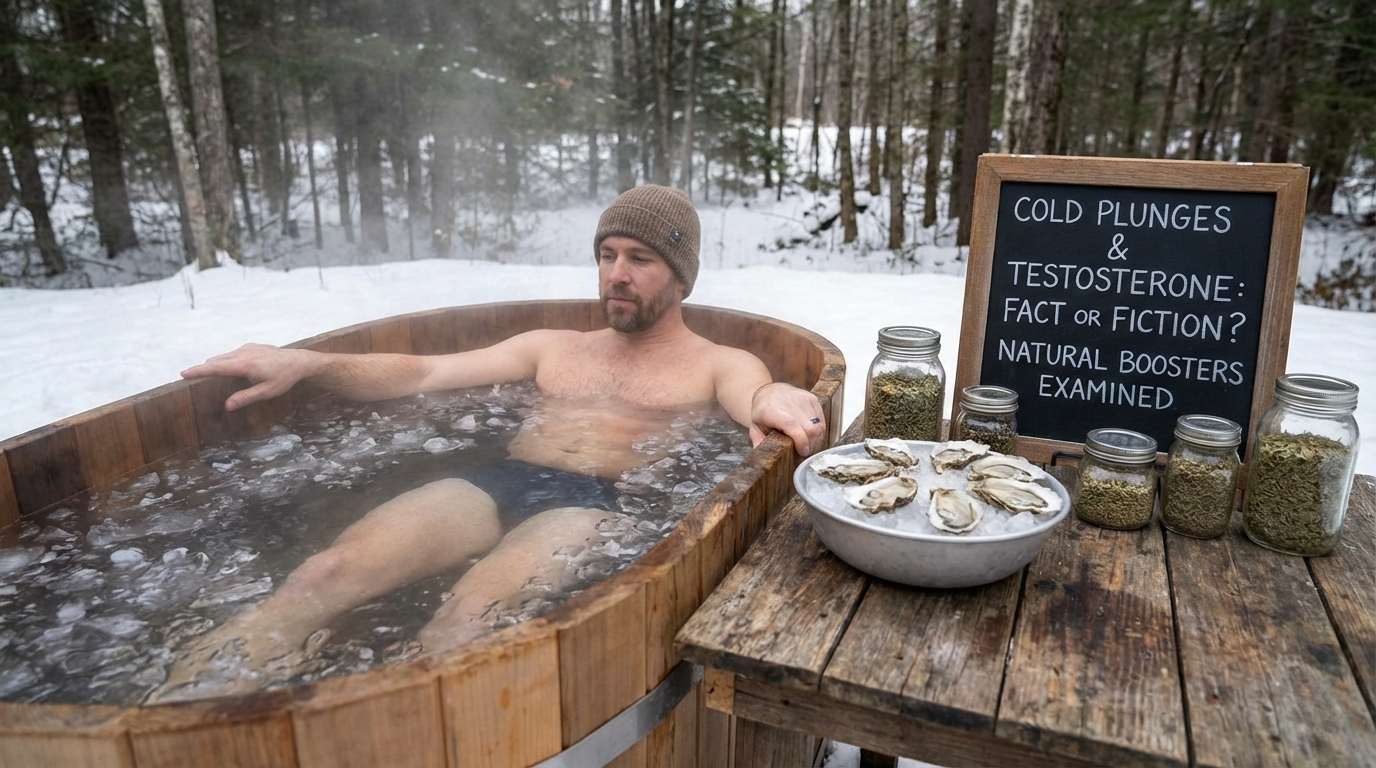
Natural Testosterone Boosters: Do Cold Plunges Actually Work?
Natural Testosterone Boosters Cold plunges have exploded in popularity, with influencers and athletes claiming they boost testosterone naturally. But does science support the hype? Let’s dive into what research actually says about cold water immersion and your hormone levels. What Happens to Your Body in Cold Water? When you plunge into cold water, your body goes into survival mode. Your heart rate spikes, blood vessels constrict, and stress hormones like cortisol and adrenaline flood your system. This “cold shock response” is your body’s way of protecting vital organs and maintaining core temperature. Interestingly, some studies suggest this acute stress might temporarily influence testosterone production. The theory is that short-term stressors can stimulate hormonal responses, including a potential uptick in testosterone. But the keyword here is “temporary.” The Science Behind Cold Plunges and Testosterone Research on cold exposure and testosterone presents a mixed picture. Some animal studies from the 1990s showed that cold water exposure increased testosterone in rats. However, human studies tell a more complicated story. A few small studies have found modest, temporary increases in testosterone after cold water immersion. The boost typically lasts only a few hours and returns to baseline quickly. More importantly, these increases are often within normal daily fluctuations—your testosterone naturally rises and falls throughout the day anyway. Other research shows no significant testosterone increase at all, or even temporary decreases due to the stress response. The inconsistency suggests that if cold plunges do boost testosterone, the effect is minor and highly individual. What Actually Boosts Testosterone? While cold plunges remain questionable, several proven methods can naturally support healthy testosterone levels: Sleep quality is perhaps the most important factor. Men who sleep less than five hours nightly can experience testosterone drops of 10-15%. Aim for seven to nine hours of quality sleep consistently. Strength training has solid evidence behind it. Heavy resistance exercises, particularly compound movements like squats and deadlifts, can temporarily boost testosterone and support long-term hormonal health. Nutrition plays a crucial role too. Adequate zinc, vitamin D, and healthy fats are essential for testosterone production. Maintaining a balanced diet with sufficient calories prevents the hormonal disruption that comes with severe calorie restriction. Stress management matters significantly because chronic elevated cortisol suppresses testosterone production. While cold plunges create acute stress, managing long-term stress through meditation, exercise, or therapy supports hormonal balance. Body composition is also key—maintaining a healthy weight helps optimize testosterone since excess body fat can convert testosterone to estrogen. Should You Try Cold Plunges? Cold water immersion offers legitimate benefits beyond the testosterone question. Regular cold exposure may improve circulation, reduce inflammation, enhance recovery after intense workouts, and boost mental resilience. Many people report feeling more alert and energized after cold plunges. If you enjoy cold plunges and they make you feel good, there’s no harm in continuing—just don’t expect them to be a testosterone miracle cure. Think of them as one small piece of a larger wellness puzzle rather than a hormonal game-changer. Kamagra Oral Jelly All $50.00 – $300.00Price range: $50.00 through $300.00 Select options This product has multiple variants. The options may be chosen on the product page Kamagra Gold 100mg All $75.00 – $255.00Price range: $75.00 through $255.00 Select options This product has multiple variants. The options may be chosen on the product page VIDALISTA 60 MG All $35.00 – $80.00Price range: $35.00 through $80.00 Select options This product has multiple variants. The options may be chosen on the product page CENFORCE 200 Mg All $31.00 – $130.00Price range: $31.00 through $130.00 Select options This product has multiple variants. The options may be chosen on the product page CENFORCE 100 MG All $23.00 – $90.00Price range: $23.00 through $90.00 Select options This product has multiple variants. The options may be chosen on the product page The Bottom Line Cold plunges might give you a tiny, temporary testosterone boost that lasts only a few hours, but the science is weak and inconsistent. If you want real testosterone gains, focus on proven methods: get 7-9 hours of sleep, lift heavy weights, eat a balanced diet with enough zinc and vitamin D, and manage stress. Cold plunges are great for recovery and mental clarity, but they’re not the testosterone miracle some influencers claim.
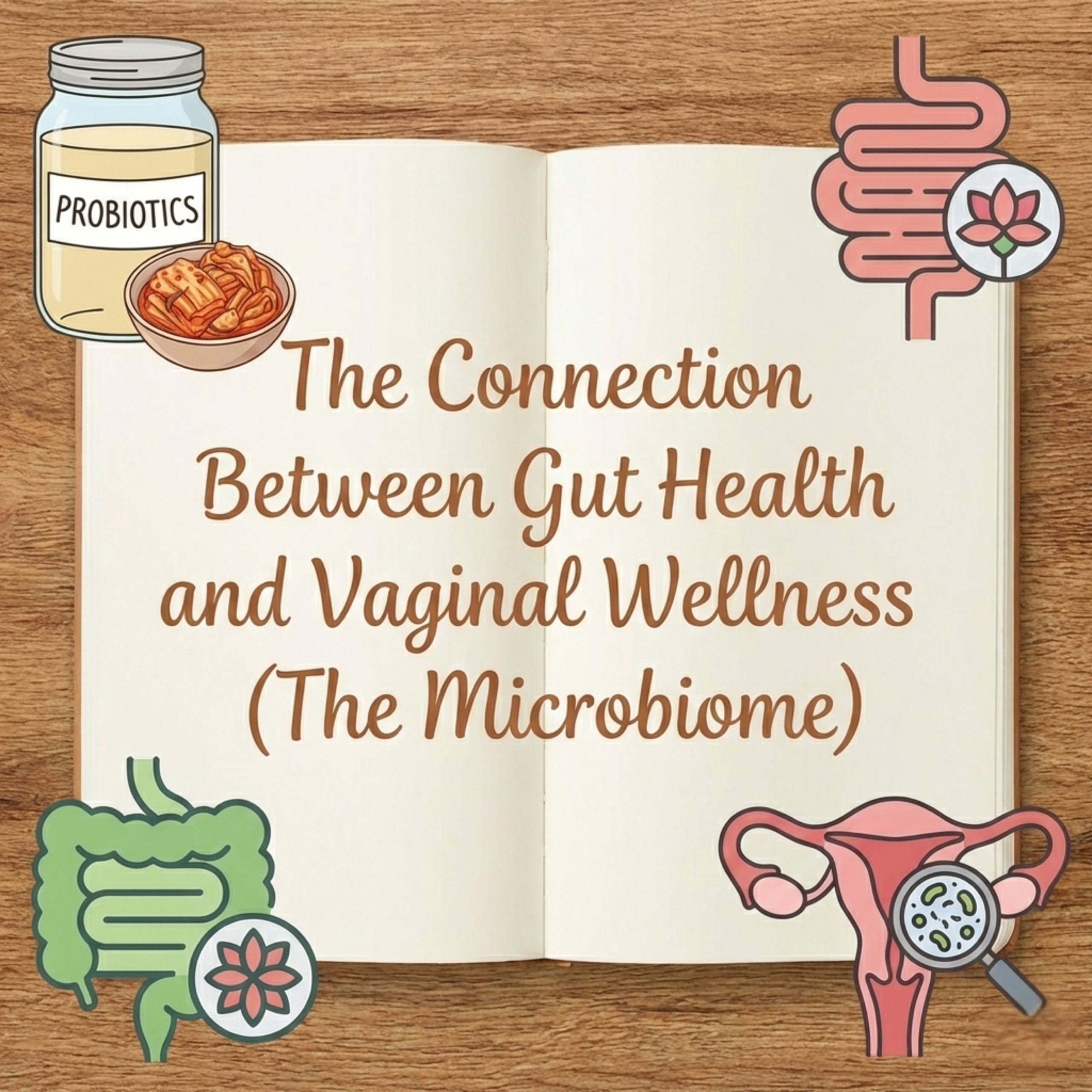
The Connection Between Gut Health and Vaginal Wellness (The Microbiome)
The Connection Between Gut Health and Vaginal Wellness: Understanding Your Microbiome Your body is home to trillions of tiny microorganisms that play a crucial role in keeping you healthy. Two of the most important communities of these beneficial bacteria live in your gut and vagina. While these areas might seem unrelated, they’re actually deeply connected through what scientists call the gut-vaginal axis. What Is the Microbiome? Think of your microbiome as an internal garden of bacteria, fungi, and other microorganisms living throughout your body. Your gut microbiome contains the largest collection of these organisms, while your vaginal microbiome is smaller but equally important. When these microscopic communities are balanced, they protect you from infections, support your immune system, and maintain overall wellness. How Your Gut and Vaginal Health Are Connected The Gut-Vaginal Axis Your gut and vagina communicate through several pathways. The bacteria in your intestines can travel to your vaginal area, especially in women, due to the close proximity of these systems. When your gut microbiome is healthy and diverse, it helps maintain a healthy vaginal environment. Conversely, when your gut bacteria are out of balance, it can disrupt your vaginal health too. Immune System Communication Your gut houses about 70% of your immune system. When your gut microbiome is thriving, it sends positive signals throughout your body, including to your reproductive system. This communication helps your vaginal microbiome stay strong and resist harmful bacteria and yeast overgrowth. Hormonal Influence Your gut bacteria help regulate hormones, particularly estrogen. Estrogen plays a vital role in maintaining the vaginal lining and supporting beneficial vaginal bacteria called lactobacilli. When gut health suffers, hormone balance can shift, potentially affecting vaginal wellness. Why Balance Matters In Your Gut A healthy gut microbiome should contain diverse bacterial species working together. When this balance tips due to poor diet, stress, or antibiotics, you might experience digestive issues, weakened immunity, and inflammation that can spread throughout your body. In Your Vagina Your vaginal microbiome should be dominated by lactobacilli, which produce lactic acid and hydrogen peroxide to maintain an acidic pH. This acidic environment prevents harmful bacteria and yeast from taking over. When vaginal bacteria become imbalanced, conditions like bacterial vaginosis or yeast infections can develop. Signs Your Microbiomes Need Attention Gut Imbalance Symptoms You might experience bloating, irregular bowel movements, food sensitivities, fatigue, or frequent illnesses when your gut microbiome is struggling. Vaginal Imbalance Symptoms Watch for unusual discharge, odor, itching, irritation, or recurrent infections. These signs suggest your vaginal microbiome may need support. Kamagra Oral Jelly All $50.00 – $300.00Price range: $50.00 through $300.00 Select options This product has multiple variants. The options may be chosen on the product page Kamagra Gold 100mg All $75.00 – $255.00Price range: $75.00 through $255.00 Select options This product has multiple variants. The options may be chosen on the product page VIDALISTA 60 MG All $35.00 – $80.00Price range: $35.00 through $80.00 Select options This product has multiple variants. The options may be chosen on the product page CENFORCE 200 Mg All $31.00 – $130.00Price range: $31.00 through $130.00 Select options This product has multiple variants. The options may be chosen on the product page CENFORCE 100 MG All $23.00 – $90.00Price range: $23.00 through $90.00 Select options This product has multiple variants. The options may be chosen on the product page Supporting Both Microbiomes Eat Probiotic-Rich Foods Yogurt, kefir, sauerkraut, kimchi, and other fermented foods introduce beneficial bacteria to your gut, which can positively influence your vaginal health. Aim to include these foods regularly in your diet. Feed Your Good Bacteria Prebiotic foods like garlic, onions, bananas, oats, and leafy greens provide fuel for beneficial bacteria. These foods help your microbiome communities thrive and multiply. Limit Sugar and Processed Foods Excess sugar feeds harmful bacteria and yeast in both your gut and vagina. Reducing processed foods and added sugars helps maintain healthy microbial balance. Use Antibiotics Wisely While sometimes necessary, antibiotics kill both harmful and beneficial bacteria. If you need antibiotics, consider taking probiotics afterward to help rebuild your microbiome. Manage Stress Chronic stress disrupts your gut microbiome, which can cascade to affect vaginal health. Practice stress-reduction techniques like meditation, exercise, or adequate sleep. Choose Gentle Hygiene Products Avoid douching and harsh soaps in the vaginal area, as these disrupt the natural bacterial balance. Stick to plain water or gentle, pH-balanced cleansers for external cleaning only. The Bottom Line Your gut and vagina both contain beneficial bacteria that work together to keep you healthy. When your gut bacteria are balanced through eating fermented foods, limiting sugar, and managing stress, it helps maintain a healthy vaginal environment and prevents infections. If either system gets out of balance, it can affect the other, causing issues like yeast infections or digestive problems. Taking care of your gut health through diet and lifestyle is one of the best ways to support your vaginal wellness naturally.
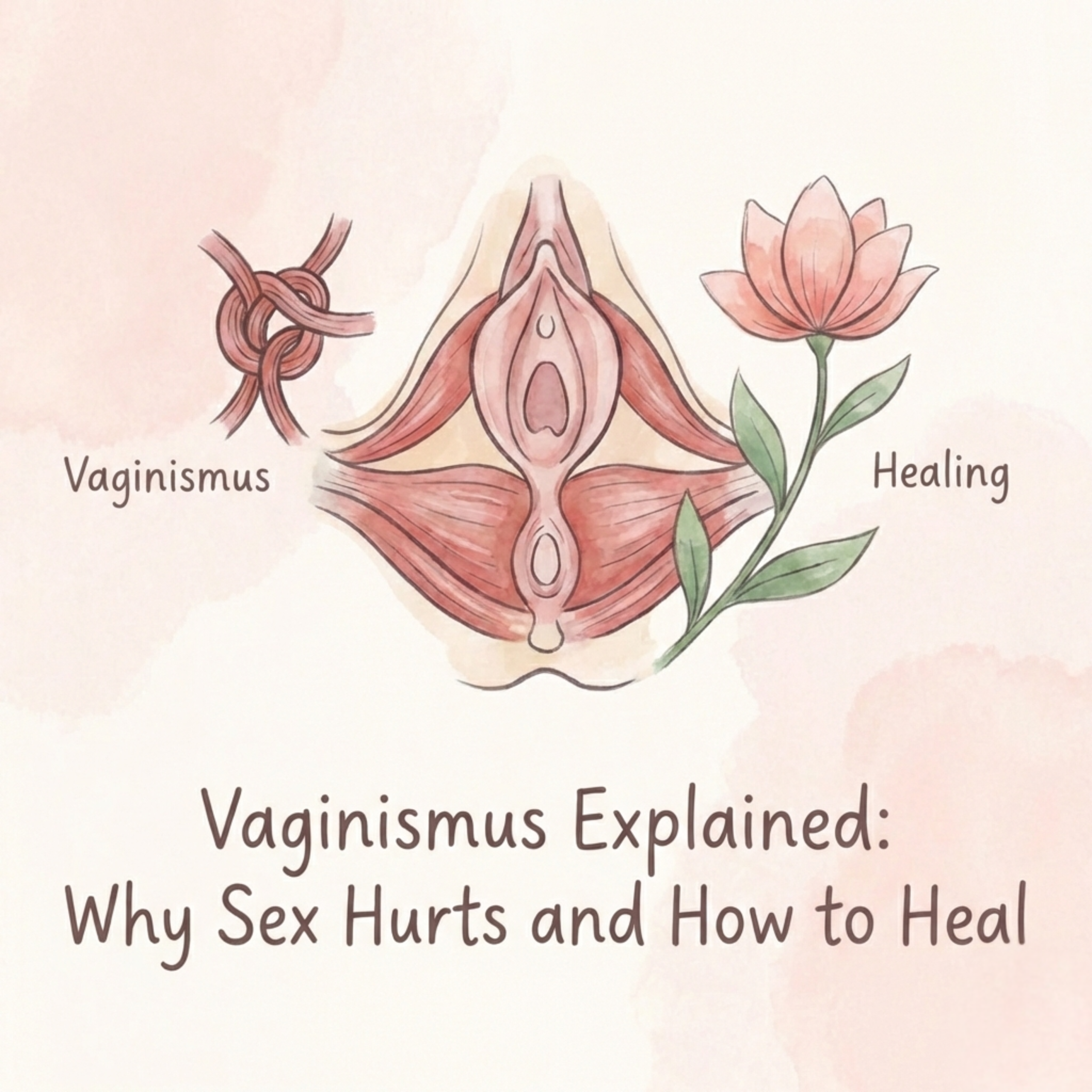
Vaginismus Explained: Why Sex Hurts and How to Heal
Vaginismus Explained: Why Sex Hurts and How to Heal What Is Vaginismus? Vaginismus is an involuntary tightening of the vaginal muscles that makes penetration painful or impossible. Think of it like an eye flinching shut when something comes near it—your body reacts automatically, even though you don’t want it to. This condition affects many women but often goes undiagnosed because people feel embarrassed to talk about it. The muscle involved is called the pelvic floor, which surrounds the vaginal opening. When these muscles contract involuntarily, they create a barrier that makes inserting tampons, undergoing gynecological exams, or having intercourse extremely difficult or painful. Why Does It Happen? Physical Causes Sometimes vaginismus develops after physical trauma like childbirth, surgery, or infections. Medical conditions such as endometriosis or vaginal dryness can also trigger the body’s protective response. Even though the original problem may heal, the muscle memory of pain can remain. Psychological Factors Your mind and body are deeply connected. Anxiety about sex, past traumatic experiences, or fear of pain can all cause your pelvic muscles to tense up. Religious or cultural teachings that create guilt around sex may also contribute. Some women develop vaginismus without any clear cause—it simply happens. The Pain-Fear Cycle Vaginismus often creates a vicious cycle. You experience pain, which makes you anxious about the next attempt. This anxiety causes more muscle tension, leading to more pain. Breaking this cycle is key to healing. Recognizing the Symptoms Women with vaginismus typically experience: Burning or stinging pain during penetration Difficulty inserting tampons Inability to complete gynecological exams Painful or impossible sexual intercourse Muscle spasms in other parts of the body during attempted penetration The severity varies. Some women can’t tolerate any penetration, while others experience pain only during specific activities. How to Heal: Treatment Options Talk to a Healthcare Provider The first step is getting a proper diagnosis. A gynecologist or pelvic floor specialist can rule out other conditions and confirm vaginismus. Don’t feel embarrassed—they’ve seen this before and want to help. Pelvic Floor Physical Therapy Specialized physical therapists can teach you exercises to relax and control your pelvic muscles. They’ll help you understand how these muscles work and guide you through gentle techniques to reduce tension. Many women find this incredibly effective. Vaginal Dilator Therapy Dilators are smooth, tube-shaped instruments that come in graduated sizes. You start with the smallest size and gradually work up as you become comfortable. This helps your body learn that penetration doesn’t have to hurt. You use them at your own pace, in the privacy of your home. Counseling and Therapy If anxiety, fear, or past trauma contribute to your vaginismus, talking with a therapist can help. Cognitive behavioral therapy (CBT) is particularly effective for addressing the thoughts and fears that trigger muscle tension. Sex therapists specialize in these issues and can provide targeted support. Mindfulness and Relaxation Techniques Learning to relax your body through deep breathing, meditation, or progressive muscle relaxation can help you gain control over the involuntary muscle contractions. These techniques reduce overall anxiety and help break the pain-fear cycle. Working with a Partner If you’re in a relationship, involving your partner in the healing process can strengthen your bond. Open communication about your needs, fears, and progress helps reduce performance pressure. Exploring intimacy without penetration can also remove anxiety while you’re healing. Kamagra Oral Jelly All $50.00 – $300.00Price range: $50.00 through $300.00 Select options This product has multiple variants. The options may be chosen on the product page Kamagra Gold 100mg All $75.00 – $255.00Price range: $75.00 through $255.00 Select options This product has multiple variants. The options may be chosen on the product page VIDALISTA 60 MG All $35.00 – $80.00Price range: $35.00 through $80.00 Select options This product has multiple variants. The options may be chosen on the product page CENFORCE 200 Mg All $31.00 – $130.00Price range: $31.00 through $130.00 Select options This product has multiple variants. The options may be chosen on the product page CENFORCE 100 MG All $23.00 – $90.00Price range: $23.00 through $90.00 Select options This product has multiple variants. The options may be chosen on the product page The Path Forward Recovery from vaginismus takes time and patience. There’s no fixed timeline—some women see improvement in weeks, while others need months. What matters is consistent, gentle effort without pressuring yourself. The good news is that vaginismus is highly treatable. Most women who commit to treatment experience significant improvement or complete recovery. You’re not broken, and you’re not alone. Thousands of women have walked this path and found relief. Remember that healing isn’t always linear. Some days will feel like setbacks, but each small step forward counts. Be kind to yourself throughout this journey, and celebrate every bit of progress you make. Vaginismus is when the muscles around your vagina automatically tighten up, making sex, tampon use, or doctor’s exams painful or impossible—even when you want these things to happen. It’s like when your eye blinks shut before you can stop it; your body is trying to protect you from pain, but it happens even when there’s no real danger. The good news is that it’s treatable through gentle exercises, therapy, and working with healthcare providers who can help retrain your muscles to relax. With patience and the right support, most women can overcome this condition and enjoy pain-free intimacy.

Perimenopause and Libido: Reclaiming Your Sex Life After 40
Perimenopause and Libido: Reclaiming Your Sex Life After 40 Entering your 40s can bring unexpected changes to your sex life, and you’re not alone in noticing them. Perimenopause—the transition phase before menopause—affects nearly every woman differently, but changes in libido are one of the most common experiences. The good news? Understanding what’s happening in your body is the first step toward reclaiming intimacy and pleasure. What’s Really Happening During Perimenopause Perimenopause typically begins in your 40s, though it can start earlier or later. During this time, your ovaries gradually produce less estrogen and progesterone, causing hormone levels to fluctuate unpredictably. These hormonal shifts don’t just affect your menstrual cycle—they impact your entire body, including your sexual desire and response. Lower estrogen levels can lead to vaginal dryness, making sex uncomfortable or even painful. Testosterone, which plays a key role in sexual desire for women, also declines during this period. Additionally, these hormonal changes can affect your mood, energy levels, and how you feel about your body, all of which influence your interest in intimacy. Common Changes You Might Experience Many women notice their libido shifting during perimenopause. You might find yourself less interested in sex than before, or your arousal might take longer. Physical changes like vaginal dryness, thinning vaginal tissues, or decreased sensitivity can make the experience less enjoyable. Beyond the physical, emotional factors matter too. Sleep disruptions from night sweats, stress, body image concerns, or relationship dynamics can all affect your desire for intimacy. Some women also experience mood swings or anxiety, which naturally impact sexual interest. Practical Solutions for Physical Changes Addressing the physical aspects can make an immediate difference. Water-based or silicone-based lubricants can dramatically improve comfort during sex. If vaginal dryness is persistent, talk to your healthcare provider about vaginal moisturizers or low-dose vaginal estrogen, which can restore tissue health without significantly affecting your overall hormone levels. Regular sexual activity, including solo exploration, actually helps maintain vaginal health by increasing blood flow to the area. Think of it as “use it or don’t lose it”—staying sexually active can help preserve tissue elasticity and natural lubrication. Rekindling Desire and Intimacy Reclaiming your sex life isn’t just about fixing problems—it’s about rediscovering what brings you pleasure. This might look different than it did in your 20s or 30s, and that’s perfectly okay. Communication with your partner becomes especially important now. Share what you’re experiencing physically and emotionally. Many partners are relieved to understand that changes aren’t about attraction or relationship problems but about natural bodily changes. Expand your definition of intimacy beyond intercourse. Sensual massage, extended foreplay, cuddling, or other forms of physical connection can rebuild intimacy while you navigate these changes. Some women discover that removing the pressure of penetrative sex actually increases their overall desire. Lifestyle Factors That Support Libido Your daily habits significantly impact your sexual health. Regular exercise improves blood flow, boosts mood, and can enhance body confidence—all beneficial for libido. Strength training in particular can help maintain muscle mass and energy levels. Managing stress through meditation, yoga, or therapy can remove mental barriers to intimacy. Quality sleep, though challenging during perimenopause, is crucial for hormone balance and desire. Limit alcohol, which can worsen hot flashes and interfere with arousal. Kamagra Oral Jelly All $50.00 – $300.00Price range: $50.00 through $300.00 Select options This product has multiple variants. The options may be chosen on the product page Kamagra Gold 100mg All $75.00 – $255.00Price range: $75.00 through $255.00 Select options This product has multiple variants. The options may be chosen on the product page VIDALISTA 60 MG All $35.00 – $80.00Price range: $35.00 through $80.00 Select options This product has multiple variants. The options may be chosen on the product page CENFORCE 200 Mg All $31.00 – $130.00Price range: $31.00 through $130.00 Select options This product has multiple variants. The options may be chosen on the product page CENFORCE 100 MG All $23.00 – $90.00Price range: $23.00 through $90.00 Select options This product has multiple variants. The options may be chosen on the product page When to Seek Professional Help If changes in your sex life are causing distress, don’t hesitate to consult a healthcare provider. Gynecologists, menopause specialists, or sex therapists can offer solutions ranging from hormone therapy to relationship counseling. Hormone replacement therapy (HRT) might be appropriate for some women, helping restore estrogen levels and alleviate multiple perimenopause symptoms, including low libido. Your doctor can help you weigh the benefits and risks based on your personal health history. Your Sex Life, Your Terms Remember, there’s no “normal” when it comes to sexuality after 40. Some women experience renewed sexual freedom and confidence during this life stage. Others need time and support to adapt to changes. What matters most is how you feel and what works for your life and relationships. Perimenopause is a transition, not an ending. With the right information, support, and self-compassion, you can navigate these changes and create a fulfilling intimate life that feels authentic to who you are now.

Why Do I Bleed After Sex? 5 Common Causes and When to Worry
Why Do I Bleed After Sex? 5 Common Causes and When to Worry Bleeding after sex can be alarming, but it’s more common than you might think. While it’s often caused by something minor, it’s important to understand what’s happening with your body. Let’s explore the main reasons this occurs and when you should seek medical attention. What Is Postcoital Bleeding? Postcoital bleeding is the medical term for bleeding that happens after sexual intercourse. It can range from light spotting to heavier bleeding and may occur immediately after sex or within the next day or two. While it affects people of all ages, the causes can vary depending on your life stage. 5 Common Causes of Bleeding After Sex 1. Vaginal Dryness and Friction One of the most frequent causes of bleeding after sex is simply not enough lubrication. When the vagina isn’t adequately lubricated, friction during intercourse can cause small tears or irritation to the delicate vaginal tissue. This is particularly common during menopause when estrogen levels drop, but it can happen at any age due to stress, certain medications, or not enough arousal before penetration. The good news is this is easily addressed with water-based lubricants and more foreplay. 2. Cervical or Vaginal Inflammation Infections and inflammation can make your tissues more sensitive and prone to bleeding. Common culprits include: Yeast infections Bacterial vaginosis Sexually transmitted infections like chlamydia or gonorrhea Cervicitis (inflammation of the cervix) These conditions often come with other symptoms like unusual discharge, odor, itching, or burning sensations. If you notice these signs, it’s time to see your healthcare provider for testing and treatment. 3. Cervical Polyps or Lesions Cervical polyps are small, benign growths on the cervix that can bleed easily when touched during sex. They’re usually harmless and common, especially in women who’ve been pregnant or are going through perimenopause. Similarly, cervical ectropion (when cells from inside the cervix appear on the outside) can cause bleeding. This condition is completely normal and often doesn’t require treatment unless it’s causing significant discomfort. 4. Hormonal Changes Your hormones play a major role in vaginal health. Low estrogen levels can thin the vaginal walls, making them more fragile and susceptible to bleeding. This commonly occurs: During and after menopause While breastfeeding When taking certain birth control pills After childbirth If hormonal changes are the culprit, your doctor might recommend hormone therapy or adjusting your birth control method. 5. More Serious Conditions While less common, bleeding after sex can occasionally signal something more serious. Cervical dysplasia (abnormal cell changes), uterine fibroids, endometriosis, or in rare cases, cervical cancer can cause postcoital bleeding. This is why regular pelvic exams and Pap smears are so important—they help catch these conditions early when they’re most treatable. Kamagra Oral Jelly All $50.00 – $300.00Price range: $50.00 through $300.00 Select options This product has multiple variants. The options may be chosen on the product page Kamagra Gold 100mg All $75.00 – $255.00Price range: $75.00 through $255.00 Select options This product has multiple variants. The options may be chosen on the product page VIDALISTA 60 MG All $35.00 – $80.00Price range: $35.00 through $80.00 Select options This product has multiple variants. The options may be chosen on the product page CENFORCE 200 Mg All $31.00 – $130.00Price range: $31.00 through $130.00 Select options This product has multiple variants. The options may be chosen on the product page CENFORCE 100 MG All $23.00 – $90.00Price range: $23.00 through $90.00 Select options This product has multiple variants. The options may be chosen on the product page When Should You See a Doctor? You should schedule an appointment with your healthcare provider if: Bleeding happens repeatedly after sex You experience heavy bleeding or blood clots You have additional symptoms like pelvic pain, fever, or unusual discharge You’re postmenopausal (any bleeding after menopause should be evaluated) You haven’t had a Pap smear in the recommended timeframe You’re pregnant and experience bleeding Don’t let embarrassment keep you from seeking help. Healthcare providers discuss these issues regularly and want to ensure your reproductive health is optimal. What to Expect at Your Appointment Your doctor will likely ask about your medical history, perform a pelvic exam, and possibly do a Pap smear or test for infections. They might also order an ultrasound to get a better look at your reproductive organs. These examinations help determine the exact cause and appropriate treatment. The Bottom Line Bleeding after sex is often caused by minor, treatable issues like dryness or inflammation. However, it’s always worth getting checked out to rule out anything serious and find relief. Your sexual health is an important part of your overall wellbeing, and addressing these concerns promptly ensures you can enjoy intimacy comfortably and confidently. Remember, your body is telling you something when bleeding occurs—listening to it and seeking appropriate care is the best approach.

Shallowing: The New Intimacy Technique for Pain-Free Pleasure
Shallowing: The New Intimacy Technique for Pain-Free Pleasure What Is Shallowing? Shallowing is an intimate technique that focuses on gentle, shallow penetration rather than deep thrusting. This approach prioritizes comfort, sensitivity, and mutual pleasure by concentrating on the most nerve-rich areas near the entrance of the vagina. Unlike traditional methods that emphasize depth, shallowing keeps stimulation focused on the outer third of the vaginal canal, where approximately 90% of nerve endings are located. This technique has gained attention as more couples seek ways to make intimacy more comfortable, especially for those experiencing pain during deeper penetration. By working with the body’s natural anatomy rather than against it, shallowing creates a foundation for pleasurable experiences without discomfort. Why Shallowing Works The Science Behind Sensation The vaginal opening and first few inches contain the highest concentration of nerve endings. This area, sometimes called the “pleasure zone,” responds intensely to gentle stimulation. By focusing on this region, shallowing maximizes pleasure while minimizing the risk of hitting sensitive areas deeper inside that can cause discomfort. Many people don’t realize that depth isn’t necessary for satisfaction. The clitoris, which extends internally along the vaginal walls, can be stimulated effectively through shallow movements. This makes shallowing particularly effective for achieving pleasure without any associated pain. Addressing Common Discomfort Deep penetration can cause pain for various reasons including endometriosis, pelvic floor tension, vaginal dryness, or simply individual anatomy. Shallowing offers a solution that doesn’t require medical intervention or extensive preparation. It’s a natural adjustment that respects the body’s signals while still allowing for intimate connection. How to Practice Shallowing Starting the Conversation Open communication is essential. Partners should discuss comfort levels, boundaries, and what feels good. This conversation itself can build intimacy and trust. Explain that you’d like to try a technique focused on comfort and sensitivity rather than depth. The Basic Technique Begin with shallow, gentle movements that penetrate only one to two inches. The rhythm should be slow and controlled, allowing both partners to focus on the sensations. Think of it as quality over quantity—each movement is intentional and mindful. Partners can experiment with different angles and speeds to discover what creates the most pleasure. Some find circular motions work well, while others prefer gentle in-and-out movements. The key is staying shallow and responsive to feedback. Adding Variation Shallowing doesn’t mean monotony. Couples can incorporate: Rhythm changes: Alternating between slow and slightly faster shallow movements Pressure variation: Adjusting firmness while maintaining shallow depth Angle exploration: Shifting positions slightly to stimulate different areas Pausing: Taking moments to simply maintain connection without movement Kamagra Oral Jelly All $50.00 – $300.00Price range: $50.00 through $300.00 Select options This product has multiple variants. The options may be chosen on the product page Kamagra Gold 100mg All $75.00 – $255.00Price range: $75.00 through $255.00 Select options This product has multiple variants. The options may be chosen on the product page VIDALISTA 60 MG All $35.00 – $80.00Price range: $35.00 through $80.00 Select options This product has multiple variants. The options may be chosen on the product page CENFORCE 200 Mg All $31.00 – $130.00Price range: $31.00 through $130.00 Select options This product has multiple variants. The options may be chosen on the product page CENFORCE 100 MG All $23.00 – $90.00Price range: $23.00 through $90.00 Select options This product has multiple variants. The options may be chosen on the product page Benefits Beyond Pain Relief Increased Mindfulness Shallowing encourages partners to slow down and pay attention. This mindfulness can deepen emotional connection and make each sensation more noticeable. Rather than rushing toward a goal, couples learn to appreciate the journey. Enhanced Sensitivity By focusing on the most sensitive areas, both partners often report heightened awareness and responsiveness. The nerve-rich zone becomes the star of the experience, leading to more intense sensations from gentler touch. Better Communication Practicing shallowing requires ongoing dialogue about what feels good. This communication often extends beyond the bedroom, improving overall relationship quality and mutual understanding. Reduced Performance Pressure Shallowing shifts focus away from performance metrics like duration or depth. This can reduce anxiety for both partners and create a more relaxed, enjoyable experience. Making It Work for You Shallowing is an intimacy technique focusing on gentle, shallow penetration that targets the nerve-rich outer vaginal area for maximum pleasure without pain or discomfort. This pain-free intimacy method concentrates on the first 1-2 inches where 90% of nerve endings are located, making it ideal for couples seeking comfortable and pleasurable experiences. Shallowing technique reduces deep penetration discomfort by stimulating the most sensitive vaginal zones, offering enhanced pleasure through mindful, shallow movements. Learn shallowing—a revolutionary intimacy approach that prioritizes comfort and sensitivity by focusing on shallow penetration in the most pleasure-responsive areas. Shallowing transforms intimacy by replacing deep thrusting with gentle, shallow stimulation that maximizes sensation while eliminating pain caused by deep penetration.
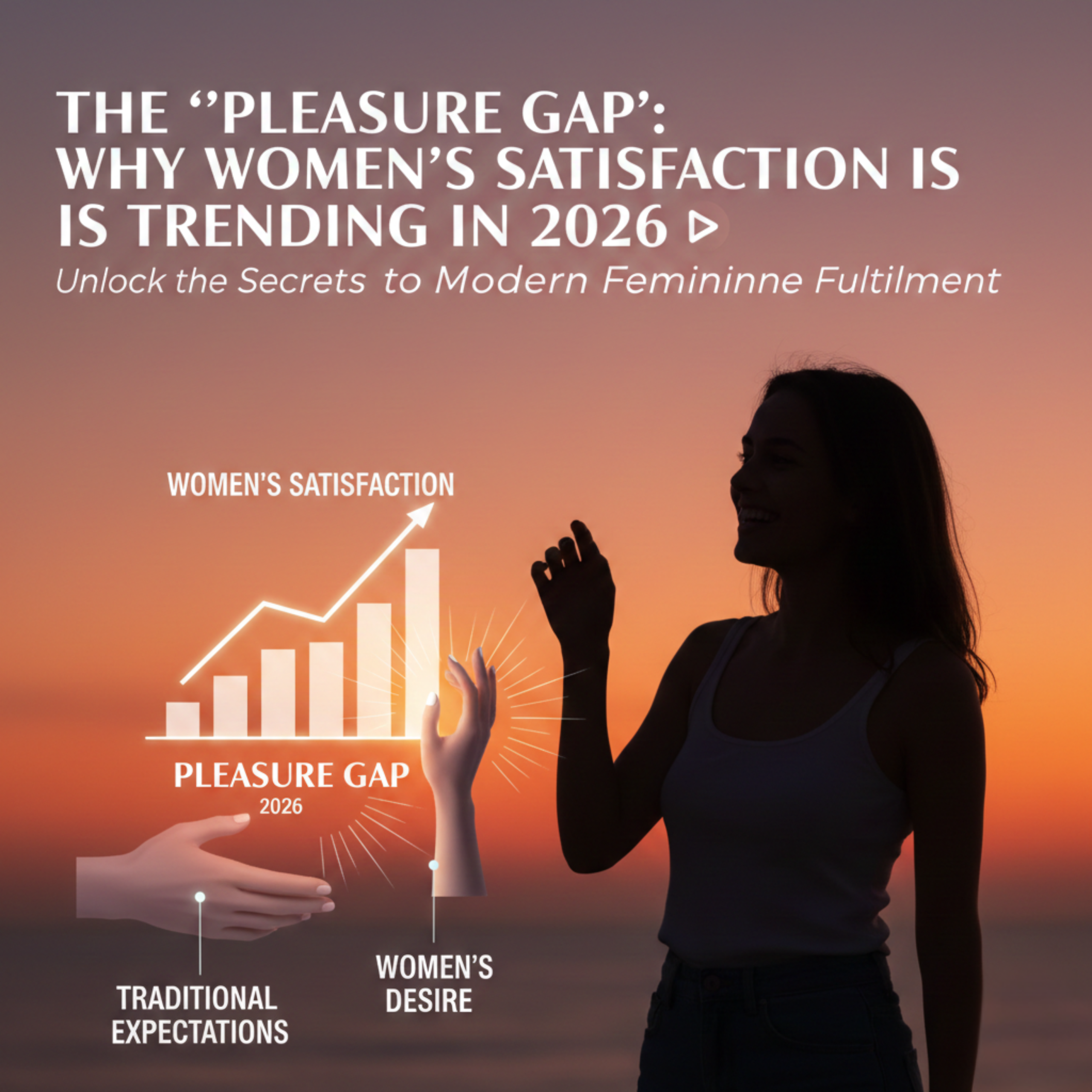
The ‘Pleasure Gap’: Why Women’s Satisfaction is Trending in 2026
Why Women’s Satisfaction is Trending in 2026 What is the Pleasure Gap? The pleasure gap refers to the difference in sexual satisfaction between men and women, particularly in heterosexual relationships. Research shows that women experience significantly fewer orgasms and less overall satisfaction compared to their male partners. This isn’t just about physical pleasure—it’s about equality, communication, and understanding what truly matters in intimate relationships. In 2026, this topic has exploded into mainstream conversation. Social media platforms are filled with honest discussions, medical professionals are speaking up, and women everywhere are refusing to stay silent about their needs. The question isn’t whether the gap exists anymore—it’s about how we close it. Why This Conversation Matters Now The world has changed dramatically in recent years. Women are more empowered to speak openly about their bodies and desires than ever before. Dating apps, wellness podcasts, and online communities have created spaces where these conversations can happen without shame or judgment. Younger generations are leading the charge. They’re rejecting outdated ideas about sex and demanding relationships built on mutual pleasure and respect. They’re asking the questions previous generations whispered about: Why should anyone settle for less than satisfying intimacy? Why has women’s pleasure been treated as optional for so long? This shift isn’t happening in isolation. It connects to broader movements around gender equality, body autonomy, and mental health awareness. When women advocate for their sexual satisfaction, they’re really advocating for their right to be heard, valued, and prioritized in all aspects of life. The Numbers Behind the Gap Studies consistently reveal a startling reality. Heterosexual women report orgasming during sexual encounters far less frequently than men—some research suggests the difference is as much as 30 to 40 percentage points. Meanwhile, lesbian women report satisfaction rates similar to heterosexual men, proving this isn’t about biology—it’s about behavior and priorities. These statistics have sparked important questions. If women in same-sex relationships don’t experience this gap, what does that tell us? It suggests that when both partners prioritize mutual pleasure and actually understand female anatomy, satisfaction becomes achievable. Breaking Down the Barriers Several factors contribute to the pleasure gap, and understanding them is the first step toward change. Communication and Comfort Many women struggle to communicate their needs, whether due to embarrassment, fear of hurting their partner’s feelings, or simply not knowing what they want themselves. Meanwhile, some partners may assume everything is fine without asking or checking in. Education Gaps Sex education in most places has historically focused on reproduction and disease prevention, not pleasure or anatomy. Many people reach adulthood without understanding how women’s bodies actually work. This knowledge gap affects everyone involved. Time and Attention Research shows that encounters prioritizing both partners’ satisfaction tend to last longer and include more variety. When intimacy becomes rushed or one-sided, the pleasure gap widens. Kamagra Oral Jelly All $50.00 – $300.00Price range: $50.00 through $300.00 Select options This product has multiple variants. The options may be chosen on the product page Kamagra Gold 100mg All $75.00 – $255.00Price range: $75.00 through $255.00 Select options This product has multiple variants. The options may be chosen on the product page VIDALISTA 60 MG All $35.00 – $80.00Price range: $35.00 through $80.00 Select options This product has multiple variants. The options may be chosen on the product page CENFORCE 200 Mg All $31.00 – $130.00Price range: $31.00 through $130.00 Select options This product has multiple variants. The options may be chosen on the product page CENFORCE 100 MG All $23.00 – $90.00Price range: $23.00 through $90.00 Select options This product has multiple variants. The options may be chosen on the product page The 2026 Cultural Shift This year has seen an unprecedented wave of openness. Celebrities, influencers, and everyday people are sharing their stories online. Books about female pleasure are becoming bestsellers. Dating app profiles increasingly mention communication and compatibility around intimacy. Healthcare providers are also stepping up, with more gynecologists and therapists addressing sexual satisfaction as a legitimate health concern. Apps and devices designed specifically for women’s pleasure are becoming mainstream products rather than taboo purchases. The conversation has moved from “Does this gap exist?” to “What are we going to do about it?” That shift represents real progress. Moving Forward Together Closing the pleasure gap requires effort from everyone. It means better sex education that includes pleasure and anatomy. It means partners learning to communicate openly without shame or defensiveness. It means women feeling empowered to advocate for themselves and partners who genuinely listen. This isn’t about blaming anyone—it’s about recognizing that everyone deserves satisfying, mutual intimate experiences. The trending conversations around the pleasure gap in 2026 represent hope: hope that future generations will grow up with healthier attitudes, better communication skills, and truly equal relationships. The pleasure gap matters because equality matters. When we talk about closing it, we’re really talking about respect, care, and the radical idea that everyone’s satisfaction deserves attention. That’s a conversation worth having—and in 2026, it’s finally happening everywhere.

Digital Intimacy: How TikTok Trends are Changing Our Sex Lives
Digital Intimacy: How TikTok Trends are Changing Our Sex Lives Social media has transformed how we communicate, shop, and even date. But one of the most surprising shifts is happening in our bedrooms. TikTok, the app known for dance challenges and cooking hacks, has become an unexpected sex education platform, reshaping how millions approach intimacy. The New Sex Ed Classroom Gone are the days when people relied solely on awkward health class lectures or hushed conversations with friends. Today, millions are turning to TikTok for relationship advice, bedroom tips, and honest conversations about sex. Sex educators, therapists, and everyday users are sharing content that makes intimacy feel less taboo and more approachable. The platform’s short-form video format makes complex topics digestible. A therapist can explain consent in 60 seconds. A couple can demonstrate communication techniques through a simple skit. This accessibility has democratized information that was once difficult to find or uncomfortable to ask about. Trending Topics Changing Conversations Several viral TikTok trends have genuinely influenced how people think about sex and relationships. The “orange peel theory” sparked discussions about small acts of service in relationships. The “bird test” helped people recognize emotional attentiveness from partners. These seemingly simple concepts have prompted deeper conversations about intimacy beyond just physical connection. Mental health and sexual wellness creators have normalized discussions around topics like pleasure gaps, consent negotiation, and sexual compatibility. Hashtags about these subjects accumulate billions of views, showing just how hungry people are for honest, judgment-free information. The Influence on Real Relationships This digital openness is translating into real-world changes. Couples report feeling more comfortable discussing desires and boundaries after seeing others model these conversations online. Young adults who grew up with inadequate sex education are filling knowledge gaps through creator content. The “main character energy” trend, while primarily about confidence, has encouraged people to prioritize their own pleasure and needs in intimate relationships. Meanwhile, relationship “green flags” and “red flags” content has helped users identify healthy versus unhealthy dynamics. Breaking Down Barriers and Stigma TikTok has been particularly powerful in breaking down stigma around previously taboo subjects. LGBTQ+ creators share experiences that help others feel less alone. People discuss sexual dysfunction openly. Conversations about pleasure, especially for women and marginalized groups, are becoming mainstream rather than whispered secrets. The Flip Side: Misinformation and Pressure However, this digital intimacy revolution isn’t without problems. Not all viral advice is accurate or healthy. Some trends promote unrealistic expectations or potentially harmful practices. The same algorithm that connects people to helpful information can also trap them in echo chambers of bad advice. There’s also pressure to perform. Just as Instagram created anxiety around perfect aesthetics, TikTok can make people feel their sex lives should be as exciting, adventurous, or “optimal” as what they see online. The constant stream of tips and tricks can turn intimacy into another thing to optimize rather than simply experience. Finding Balance in the Digital Age The key is approaching TikTok content critically. Not every viral relationship hack will work for every couple. Not every sex tip is medically sound. Viewers should verify information from qualified professionals and remember that what works for content creators may not work for them. Mental health professionals suggest using TikTok as a starting point for conversations rather than a rulebook. If a video resonates, discuss it with your partner. If something seems questionable, research it further or consult a therapist. Kamagra Oral Jelly All $50.00 – $300.00Price range: $50.00 through $300.00 Select options This product has multiple variants. The options may be chosen on the product page Kamagra Gold 100mg All $75.00 – $255.00Price range: $75.00 through $255.00 Select options This product has multiple variants. The options may be chosen on the product page VIDALISTA 60 MG All $35.00 – $80.00Price range: $35.00 through $80.00 Select options This product has multiple variants. The options may be chosen on the product page CENFORCE 200 Mg All $31.00 – $130.00Price range: $31.00 through $130.00 Select options This product has multiple variants. The options may be chosen on the product page CENFORCE 100 MG All $23.00 – $90.00Price range: $23.00 through $90.00 Select options This product has multiple variants. The options may be chosen on the product page The Future of Digital Intimacy As TikTok continues evolving, its influence on intimate relationships will likely grow. The platform has already pushed other social media sites to embrace more candid conversations about sex and relationships. This trend toward openness, when balanced with critical thinking and professional guidance, could lead to healthier, more communicative relationships. The digital intimacy revolution is here to stay. By approaching it mindfully, people can benefit from increased access to information while maintaining authentic, pressure-free connections in their own lives. The goal isn’t to make your relationship “TikTok-worthy” but to use these tools to build genuine intimacy that works for you. Conclusion TikTok is transforming modern intimacy by democratizing sex education and normalizing conversations about relationships. While the platform breaks down stigmas and provides valuable insights, users should approach viral trends critically, verify information with professionals, and prioritize authentic connections over performative content.

Ethical Non-Monogamy (ENM): A Beginner’s Guide to Open Dating
Ethical Non-Monogamy (ENM): A Beginner’s Guide to Open Dating What Is Ethical Non-Monogamy? Ethical non-monogamy (ENM) is a relationship style where people have multiple romantic or sexual partners with everyone’s knowledge and consent. The key word here is “ethical”—meaning honest, transparent, and consensual. Unlike cheating, ENM involves open communication where all partners agree to the arrangement and understand the boundaries. Think of it as creating your own relationship rules rather than following the traditional “one person only” model. Some people practice ENM through open relationships, polyamory, or casual dating arrangements. What matters most is that everyone involved knows what’s happening and has agreed to it. Why Do People Choose ENM? People are drawn to ethical non-monogamy for different reasons. Some feel that one person can’t fulfill all their emotional and physical needs. Others believe love isn’t a limited resource—you can love multiple people without diminishing what you feel for each one. Many find that ENM allows them to explore different aspects of themselves. You might connect intellectually with one partner, share adventure with another, and have deep emotional intimacy with a third. For some, it’s simply about honesty—acknowledging that attraction to others doesn’t disappear in a relationship and choosing to handle it openly rather than through suppression or secrecy. Core Principles of ENM Honest Communication Communication is the foundation of any ENM relationship. You need to discuss your feelings, boundaries, insecurities, and desires openly. This means having conversations that might feel uncomfortable at first—like talking about jealousy, scheduling time with different partners, or addressing when something isn’t working. Clear Consent Everyone involved must enthusiastically agree to the arrangement. Consent isn’t just a one-time conversation; it’s ongoing. People’s feelings change, and what worked six months ago might not work today. Regular check-ins ensure everyone remains comfortable with the relationship structure. Established Boundaries Boundaries protect everyone’s emotional and physical wellbeing. Some couples might agree to only date separately, while others enjoy group activities. Some set rules about overnight stays, meeting each other’s partners, or what information gets shared. Your boundaries are personal—there’s no universal rulebook. Common ENM Relationship Styles Open Relationships Partners maintain a primary relationship while dating or having sexual encounters with others. The primary partnership typically comes first in terms of time, emotional investment, and decision-making. Polyamory This involves having multiple committed, loving relationships simultaneously. Unlike open relationships focused mainly on sexual freedom, polyamory emphasizes emotional connections. Some people have a primary partner and secondary relationships, while others treat all partners equally. Casual Non-Monogamy Some people prefer keeping additional connections casual—friends with benefits or occasional dates without pursuing deep emotional bonds. Challenges You Might Face Jealousy is real, even in ENM relationships. The difference is that you learn to communicate through it rather than letting it fester. Many people discover their jealousy stems from insecurity or fear of abandonment, which can be addressed through honest conversation and reassurance. Time management becomes crucial when you’re dating multiple people. Everyone deserves quality attention, and spreading yourself too thin can strain all your relationships. Social stigma is another challenge—not everyone will understand or support your choices, and you may face judgment from family or friends. Kamagra Oral Jelly All $50.00 – $300.00Price range: $50.00 through $300.00 Select options This product has multiple variants. The options may be chosen on the product page Kamagra Gold 100mg All $75.00 – $255.00Price range: $75.00 through $255.00 Select options This product has multiple variants. The options may be chosen on the product page VIDALISTA 60 MG All $35.00 – $80.00Price range: $35.00 through $80.00 Select options This product has multiple variants. The options may be chosen on the product page CENFORCE 200 Mg All $31.00 – $130.00Price range: $31.00 through $130.00 Select options This product has multiple variants. The options may be chosen on the product page CENFORCE 100 MG All $23.00 – $90.00Price range: $23.00 through $90.00 Select options This product has multiple variants. The options may be chosen on the product page Is ENM Right for You? ENM isn’t for everyone, and that’s perfectly okay. It requires strong communication skills, emotional maturity, and genuine desire for this lifestyle—not just a compromise to keep a partner happy. Ask yourself: Can I handle my partner being intimate with others? Do I want multiple connections, or am I doing this for someone else? If you’re curious, start with honest conversations with your current or potential partners. Read books about ENM, join online communities, and take things slowly. Remember, you can always adjust your approach or return to monogamy if ENM doesn’t suit you. Conclusion Ethical Non-Monogamy (ENM) is when people have multiple romantic or sexual partners with everyone’s full knowledge and honest consent. Unlike cheating, all partners agree to the arrangement and communicate openly about boundaries and feelings. It includes styles like open relationships, polyamory, and casual dating where trust and transparency are the foundation. ENM works when everyone involved is honest, respectful, and genuinely comfortable with sharing love or intimacy beyond traditional one-person relationships.
