Explore our range of Eye Gel products — FDA-approved, clinically tested, and delivered discreetly to your door.
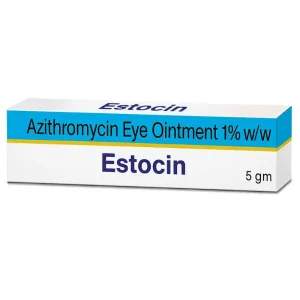
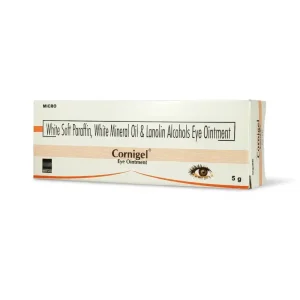
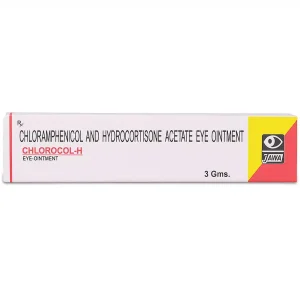
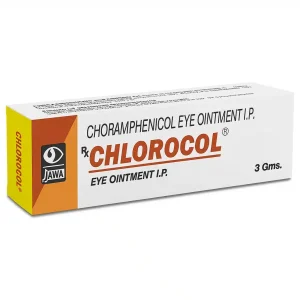
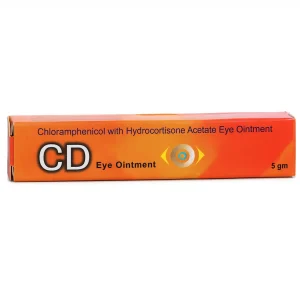
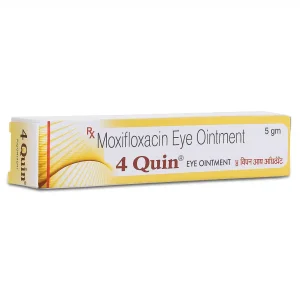
Eye gel — also referred to as ophthalmic gel or eye ointment depending on formulation thickness — is a semi-solid or high-viscosity preparation applied directly to the eye surface or lower eyelid margin. Unlike standard eye drops, which are thin watery solutions that disperse quickly and may require frequent reapplication, eye gels have a thicker consistency that adheres to the ocular surface for significantly longer, providing extended contact time and prolonged therapeutic or lubricating effect.
There are two broad categories of ophthalmic gels and ointments:
Our full Eye Care collection spans all categories — gels, drops, capsules, and injections — so you can find the exact product format your condition requires.
A common question we receive is whether to use a gel or standard drops. The answer depends on your condition, symptoms, and timing:
Factor | Eye Gel / Ointment | Eye Drops |
Consistency | Thick gel or semi-solid | Thin, watery liquid |
Duration of Relief | Long-lasting (hours) | Shorter (30–60 min typically) |
Best Use Time | Nighttime or severe symptoms | Daytime, mild-moderate symptoms |
Vision Blur | Temporary blurring after use | Minimal to none |
Contact Lens Use | Generally not compatible | Some formulas are lens-compatible |
Application | Small ribbon along lower lid | 1–2 drops instilled directly |
Preservative-Free | Many options available | Many options available |
Infection Treatment | Antibiotic variants available | Antibiotic variants available |
If you primarily need daytime relief for mild to moderate dry eyes, our Eye Drops collection offers a wide range of drop-format options. For persistent, overnight, or more severe conditions, the gels and ointments in this category are the clinically appropriate choice.
Eye gels and ophthalmic ointments are appropriate across a wide range of conditions affecting American adults. Here are the most common situations where this format provides the best outcome:
Dry eye affects an estimated 16 million adults in the United States, with symptoms ranging from mild discomfort to chronic debilitating pain. Conventional eye drops provide temporary relief — but for men and women with moderate to severe dry eye syndrome, drops evaporate or drain too quickly to provide sustained comfort. Eye gels, with their high-viscosity polymer base, stay on the ocular surface dramatically longer, providing overnight or extended-duration moisture retention that drops simply cannot match.
Risk factors for severe dry eye include extended screen time (increasingly common in remote workers and professionals), contact lens wear, LASIK and other ocular surgeries, aging, hormonal changes, antihistamine or antidepressant use, and low-humidity environments.
Bacterial conjunctivitis (pink eye), keratitis (corneal infection), blepharitis (eyelid margin infection), and styes are among the most common ocular infections in the US. Standard antibiotic eye drops work — but antibiotic ointments have a key advantage: their extended contact time with the infected tissue means the active antibiotic ingredient is working for longer per application. This often means fewer daily applications needed and more complete eradication of the infection — particularly important for resistant bacterial strains.
Following cataract surgery, LASIK, glaucoma procedures, or corneal transplant, the eye surface requires both protection from infection and accelerated healing support. Antibiotic ointments prevent post-operative infection, while healing gels containing dexpanthenol (Vitamin B5) actively support corneal epithelial regeneration. Our Panthegel 5 Gm is specifically formulated for this purpose.
Eye injuries from foreign body contact, chemical splash, UV exposure (photokeratitis from welding or snow blindness), or traumatic corneal abrasion require prompt treatment. Lubricating and healing gels protect the damaged corneal surface, reduce pain, and create the optimal moisture environment for tissue repair. Our Cornigel 5 Gm — a pure carbomer-based lubricating gel — is one of the most widely used products in our range for this purpose.
Seasonal allergies, pet dander sensitivity, and environmental irritants cause not only itching and redness but also compound dry eye symptoms by disrupting the tear film. Combination formulas that address both allergic response and dryness simultaneously — like our Lotel LS Eye Gel 5 Ml — provide dual-action relief that single-mechanism products cannot match.
Certain antibiotic ointments, particularly erythromycin-based formulations, have established protocols in neonatal care for prophylaxis and treatment of ophthalmia neonatorum (eye infection in newborns). Our Optithrocin 5 Gm (erythromycin ophthalmic ointment) serves this specific clinical need and is also used in adult blepharitis and trachoma treatment.
We carry one of the most extensive ophthalmic gel and ointment ranges available from any US-focused online pharmacy. Here is a complete overview of what we offer across therapeutic categories:
Product | Active Ingredient(s) | Category | Best For |
Cornigel 5 Gm | Carbomer (lubricating gel) | Lubricant | Dry eye relief, day & night |
Lotel LS Eye Gel | Olopatadine + Lubricant | Allergy + Lubricant | Allergic irritation + dryness |
Panthegel 5 Gm | Dexpanthenol (Vit B5) | Healing Gel | Corneal healing, post-procedure |
Moxigram 5 Gm | Moxifloxacin 0.5% | Antibiotic | Bacterial eye infections |
Mahaflox 5 Gm | Moxifloxacin 0.5% | Antibiotic | Bacterial conjunctivitis, keratitis |
4Quin 5 Gm | Moxifloxacin 0.5% | Antibiotic | Bacterial ocular infections |
Exocin 5 Ml | Ofloxacin 0.3% | Antibiotic | Conjunctivitis, corneal ulcers |
Estocin 5 Gm | Ofloxacin 0.3% | Antibiotic | External ocular infections |
Optithrocin 5 Gm | Erythromycin 0.5% | Antibiotic | Neonatal conjunctivitis, blepharitis |
Chlorocol 3 Gm | Chloramphenicol 1% | Antibiotic | Broad-spectrum bacterial infection |
Ocupol 5 Gm | Chloramphenicol + Polymyxin B | Antibiotic Combo | Mixed bacterial ocular infections |
Ocupol DX 5 Gm | Chloramphenicol + Dexamethasone | Antibiotic + Steroid | Infection with inflammation |
Carbomer-based gels like Cornigel 5 Gm are the gold standard in ophthalmic lubrication. Carbomer 974P is a crosslinked polyacrylic acid polymer that forms a viscoelastic gel structurally similar to healthy mucin — one of the key components of natural tears. When applied, it coats the ocular surface with a uniform, stable moisture layer that resists evaporation far longer than aqueous drops. Ideal for severe dry eye, nighttime use, corneal abrasions, and post-surgical lubrication. Priced from $15.30 per pack.
Dexpanthenol (the active ingredient in Panthegel) is the provitamin form of Vitamin B5, with established roles in epithelial cell regeneration and corneal healing. Applied post-procedure or post-injury, it promotes faster recovery of the corneal epithelium, reduces irritation, and provides soothing lubrication throughout the healing window. A physician-prescribed staple in post-operative ophthalmic care. From $19.00.
Both Moxigram Eye Ointment 5 Gm and Mahaflox 5 Gm contain moxifloxacin — a fourth-generation fluoroquinolone antibiotic with broad-spectrum bactericidal activity against both gram-positive and gram-negative organisms. Moxifloxacin is particularly effective against the most common causes of bacterial conjunctivitis and keratitis, including Staphylococcus aureus, Streptococcus pneumoniae, and Haemophilus influenzae. The ointment base extends contact time significantly compared to moxifloxacin drops. From $15.40 per pack.
Our 4Quin 5 Gm is another moxifloxacin 0.5% ophthalmic ointment option, giving patients the same class of fluoroquinolone antibiotic therapy in a different manufacturer formulation — useful when sourcing availability varies or when a specific formulation tolerance is a consideration. From $15.40.
Ofloxacin is a third-generation fluoroquinolone with strong activity against the bacteria most commonly responsible for bacterial conjunctivitis, corneal ulcers, and external ocular infections. Both Exocin Ointment 5 Ml and Estocin Eye Ointment 5 Gm deliver ofloxacin in ointment form for extended tissue contact. Particularly effective for corneal ulcers, bacterial keratitis, and more persistent conjunctival infections. From $15.10 per pack.
Erythromycin ophthalmic ointment has a long established history as a safe and effective treatment for neonatal conjunctivitis, blepharitis, and mild bacterial eye infections across all age groups. Optithrocin 5 Gm is especially important for patients with fluoroquinolone sensitivity or in settings where macrolide antibiotics are preferred. From $17.60.
Chloramphenicol remains one of the most widely prescribed topical antibiotics for bacterial eye infections globally, with broad-spectrum activity across gram-positive and gram-negative organisms. Our Chlorocol 3 Gm is the ointment form — providing the familiar chloramphenicol efficacy with the extended contact-time advantage of a gel base. From $15.60.
When bacterial infection occurs alongside significant ocular inflammation — a common clinical scenario — treating only the infection leaves the inflammatory damage untreated, prolonging discomfort and risk of complications. Our Ocupol DX Eye Ointment 5 Gm combines chloramphenicol (antibiotic) with dexamethasone (corticosteroid) in a single ointment — simultaneously eradicating the bacterial cause and suppressing the inflammatory response. Used for bacterial conjunctivitis with concurrent inflammation, post-surgical care with infection risk, and allergic reactions complicated by secondary infection. From $15.20.
Note: Combination steroid-antibiotic ointments should only be used under medical supervision, as unsupervised long-term corticosteroid eye use carries risks including elevated intraocular pressure and susceptibility to secondary infection.
Correct application technique ensures maximum efficacy and prevents contamination. Follow these steps every time:
Timing considerations:
Important: Remove contact lenses before applying any eye gel or ointment. Do not reinsert lenses for at least 15–30 minutes after application, or as directed by your eye care provider. Most gel and ointment products are not designed for use while wearing contact lenses.
Understanding the ingredients in your ophthalmic gel helps you choose the right product and use it appropriately:
Eye gels and ointments are generally well tolerated when used correctly. Here is what to be aware of by category:
Ophthalmic gels and ointments work best as part of a comprehensive approach to eye health. Depending on your specific condition, complementary treatments from our broader eye care portfolio may be relevant:
The combination of nutritional capsule support, appropriate topical treatment (drops or gel), and medical intervention where needed represents the most complete approach to preserving and restoring eye health.
Lubricating gels like Cornigel can be used daily as needed — there is no established limit for lubricant-only gels in people with dry eye syndrome. Medicated gels (antibiotic, steroid-combination) should be used only for the prescribed duration. Never extend a course of antibiotic or steroid ointment without medical guidance.
Not universally — it depends on severity and timing. For mild dry eye during the day, drops are more practical because they do not blur vision. For severe dry eye, overnight use, or cases where drops provide less than 30 minutes of relief, eye gel is clinically the better choice because of its extended contact time and higher viscosity moisture retention.
This depends on your jurisdiction and the specific product. In the US, most antibiotic ophthalmic ointments are prescription-required. We always recommend using these products under physician guidance. If you have a diagnosed bacterial eye infection and have been prescribed an antibiotic ointment, we can supply the specific product you need.
The temporary blurring is caused by the thick gel layer coating the corneal surface, which creates a slightly irregular refractive surface for a few minutes. This is normal, expected, and resolves quickly as the gel spreads and partially absorbs. This is precisely why nighttime application is recommended for lubricating gels — vision impairment during sleep is not a concern.
Generally no — both lubricating and medicated ophthalmic gels and ointments are incompatible with contact lens wear. The ointment base can coat the lens surface and cause discomfort or lens damage. Always remove lenses before application and wait at least 15–30 minutes before reinserting, or as instructed by your eye care provider.
A standard 5 Gm tube typically contains approximately 100–140 single-dose equivalent applications when using a 1 cm ribbon per application. For a 4-times-daily regimen, this gives roughly 25–35 days of treatment. For nighttime-only lubricating gel use, a tube can last significantly longer depending on how much gel is applied per use.
We have built ED Care Store to give every American access to the full spectrum of healthcare products they need — from men's health treatments to comprehensive ophthalmic care — without the brand-name premium or the inconvenience of traditional pharmacy chains.
Browse the complete catalog in our online store — or explore all products across our full Eye Care range to find everything you need for comprehensive ocular health in one place.
Standard eye drops treat symptoms. The right eye gel — whether a pure lubricant for overnight dry eye relief or a targeted antibiotic ointment for a bacterial infection — treats the condition. Longer contact time. Stronger therapeutic effect. Fewer applications. Better outcomes.
Whether you need a first-line lubricant for chronic dry eye, a prescription-grade antibiotic for an active infection, a healing gel for post-surgical recovery, or a combination formula for infection with inflammation — every product you need is available now, verified, affordable, and shipped discreetly to your address across the United States.
Clear vision, long-lasting relief — delivered.

